Ecuador Budget Travel & Adventure Guide (2026)
I live in Ecuador and have spent over a decade documenting the logistical reality of traveling and living in Latin America on a budget. This guide provides the specific facts needed to navigate the country efficiently: from the $2.00 public bus strategy at the Quito Airport to the 35-cent regional transit loops connecting Otavalo, Cotacachi, and Ibarra.
Mastering these routes is more than a cost-saving measure; it is a tactical immersion into the Ecuadorian Minga Culture. This community-led tradition of collective labor is the "Engine" that maintains the trails, markets, and public infrastructure you will use to execute your Hard Reset. Whether you are scouting whitewater in the Intag Valley or navigating the Otavalo Markets, understanding this social fabric is the key to traveling with the situational awareness of a local rather than a tourist.
Ecuador Travel Logistics & Digital Security (2026)

Quito Airport to City Center: The $2.00 Public Bus Guide
Bypass the $30 taxi fee. Use the public bus for $2.00 to reach Terminal Carcelén, Terminal Quitumbe, or Río Coca.

Ecuador SIM Cards: Best Coverage & Data Costs
Claro and Movistar offer the best coverage. A $15 investment typically secures 15GB of data with easy recharges.

Secure 2FA & US Phone Numbers
Port your US number to a VoIP service like Google Voice to protect against SIM-swap attacks and ensure banking access.

Ecuador Adventure Planner: Cloud Forests & Whitewater
Tactical beta for the Quijos Valley, Tena, and Intag. Find the best outfitters and timing for world-class paddling.

Crisis Travel Strategies: Surviving Ecuador on a Budget
Global crises disrupt the masses but create opportunities for the bold. Learn how to navigate borders, dodge inflation, and travel Ecuador on a strict budget.

Buy Cheap Medication at a Latin American Farmacia
Bypass expensive US healthcare. Learn Fast Fred's frugal strategy for buying affordable prescription medications without a script.
The Andes of Ecuador: Zona Sierra

Northern Sierra (Otavalo & Intag Valley)
The Northern Sierra is the cultural heart of the Ecuadorian Andes. Known as the "Land of Lakes," this region is connected by a highly efficient network of regional bus loops.

Imbabura Regional Transit: Otavalo, Cotacachi, and Ibarra
Utilize the 35-cent transit routes to move through the province exactly like a local resident.
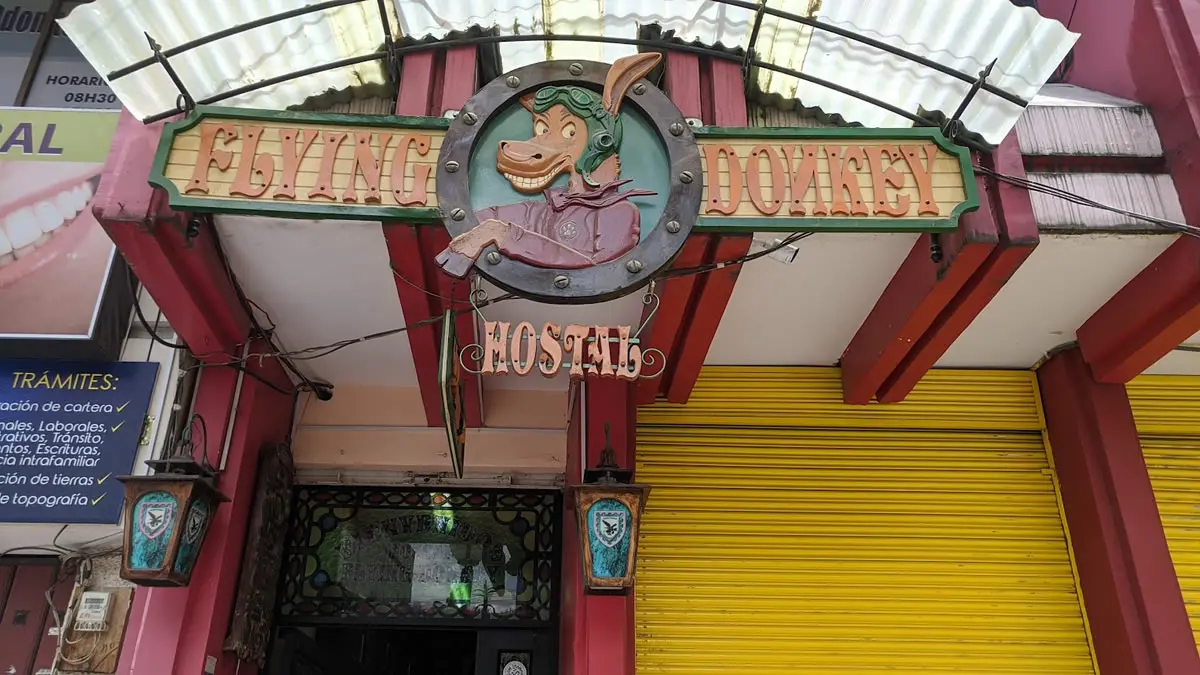
Where to Stay in Otavalo: Budget Hostals vs. Apartments
Compare budget hostals in downtown Otavalo against long-term apartments in Yambiro for the best value.

Otavalo Market Guide: Plaza de Ponchos vs. 24 de Mayo
Find $2.50 three-course almuerzos and authentic artisan deals at the local markets.

Otavalo Waterfall Guide: Hiking Peguche and Taxopamba
Experience sacred volcanic landscapes for free using verified 30-cent blue bus routes.

Holy Week: Sacred Traditions of Otavalo & Cotacachi
Observe Wakcha Karay food-sharing rituals and Good Friday processions for the price of a bus ticket.

Cotacachi Cuy & Day of the Dead
Navigate the cultural and culinary traditions of Día de los Difuntos in the Northern Sierra.

The Intag Valley Guide: Cabanas & Thermal Springs
Stay in $33 riverside cabanas and visit the Termas de Nangulví hot springs in the cloud forest.

Understanding the Minga: Andean Community Culture
Master the Minga: Learn how communal labor shapes life in the Andes. Essential cultural beta for solo travelers to avoid logistics surprises.

Mastering Otavalo Grocery Costs: The $21 Strategy
Secure a massive high-protein grocery haul, including craft beer and fresh produce, by splitting your run between AKI Supermercado and the local Mercado Municipal.
Central Sierra: Baños de Agua Santa & Adventure Hubs


Pailon del Diablo: The $0.50 Local Bus Strategy
Skip the $25 tours. Take the $0.50 local bus to reach both entrances of this massive hydrology.
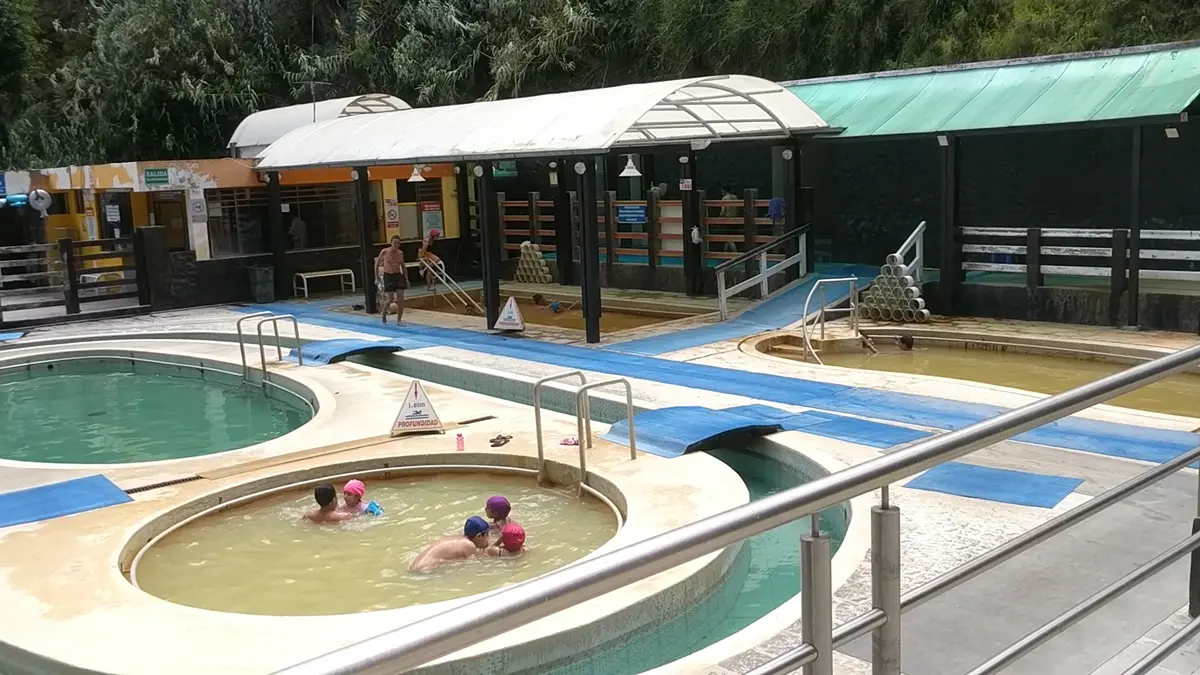
Baños Hot Springs: Thermal Pool Guide
Compare the $4.00 medicinal Old Baths (Antiguas) against the quiet setting of El Salado.

The Swing at the Edge of the World: DIY Bus Logistics
Use the $1.00 public bus route to Casa del Arbol and spend as much time at the summit as you want.

Carrera de Coches: Watch Extreme Gravity Racing
Witness the high-adrenaline December tradition where locals pilot custom steel karts down steep mountain roads.

Baños Cultural Festivals: Parades & Traditions
Experience Cantonization parades and the National Police Band for the cost of a local bus ticket.

Diablada Pillareña: The Devils of Píllaro Festival
Witness a living act of indigenous resistance featuring elaborate devil masks during the first week of January.

The Spice Gap: Finding Authentic Tacos Al Pastor
Bypass bland food. Discover the rare gem in Baños delivering genuine Habanero heat and traditional Al Pastor pork on a river-guide budget.

Frugal Cost of Living: $17 Grocery Haul
Stop overpaying to live abroad. Learn how to navigate the local mercado and secure a full week of groceries on a river-guide budget.

Caminata de la Fe: The Walk of Faith
Experience the massive Lenten pilgrimage from Ambato to Baños. Learn the logistics and tactical safety tips for this 40km journey.
The Amazon Zone (El Oriente): Practical Jungle Access


Puyo: The Frugal Gateway to Amazon Markets
Navigate local mercados and an emerging craft beer scene just a $2.50 bus ride from Baños.
Ecuador Questions: Cultural Beta & Tactical Essentials
Deepening your understanding of the local landscape is just as important as knowing which bus to catch. From the ancient Minga labor traditions to the historical misnomer of the Panama Hat, these guides cover the essential cultural infrastructure of Ecuador.
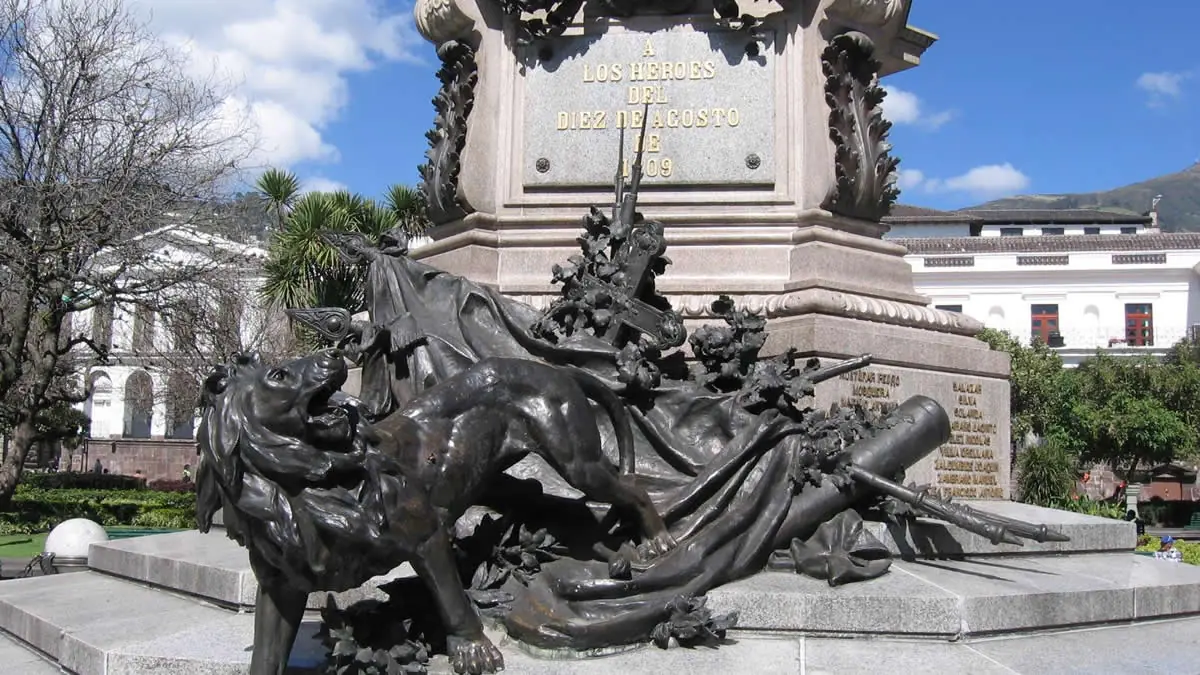
Cultural Events & Festival Calendar
Discover the annual cycle of authentic local festivals, races, and unique events like the Diablada Pillareña and the Baños Gravity Race.

Ecuadorian Government Structure
A breakdown of the presidential system and the five branches of government in this unitary, decentralized state.

Patriotic Symbols & History
Decoding the history behind the tricolor flag (yellow, blue, red) and the coat of arms adopted in 1860.

Key Independence Dates
Ecuador's path to sovereignty was a gradual process marked by three pivotal phases. Master the dates that shaped the Republic.

Why Streets Are Named After Dates
Inscribed on the urban landscape, these names serve as a daily memorial to the struggle for independence.

Día de los Difuntos: Day of the Dead
Experience the unique culinary traditions and cultural history of the early November holiday weekend.

The Panama Hat is From Ecuador
Hand-woven in Ecuador for centuries, discover how these hats gained a global name due to the Isthmus of Panama.

The Truth About Cuy (Guinea Pigs)
Historical misnomers explained: why this Andean staple is a special meal and where the name comes from.