Ecuador Independence History: From Pichincha to Republic
If you think navigating a Class V rapid is a test of nerves, try staring down a Spanish firing squad in 1809 Quito without blinking.
Ecuador didn't just "become" a country; it clawed its way out of the colonial wreckage through a series of bloody revolts, high-altitude mountain warfare, and the sheer audacity of men who preferred the smell of gunpowder to the stench of subjugation. This legacy of resistance is why you'll see Historical Date Street Names like "10 de Agosto" and "24 de Mayo" in every major city—tactical markers of a sovereign identity forged in fire. This spirit of self-reliance wasn't limited to the battlefield; it is sustained at the community level by the Ecuadorian Minga Culture, the ancient tradition of collective labor that maintains the monuments and public squares where these victories are commemorated. Here is the roadmap of how the "Light of America" was ignited and why it still burns.
Phase 1: The "First Cry" and the Price of Liberty
August 10, 1809: The First Cry of Independence
A gritty band of Creole intellectuals in Quito decided they'd had enough of playing second fiddle to the Spanish Crown. They declared a Supreme Governing Junta, effectively telling the Real Audiencia de Quito to pack their bags. While the Spanish eventually regained control, this act earned Quito the title "Luz de América" (Light of America) for being the first spark of self-governance in the region.
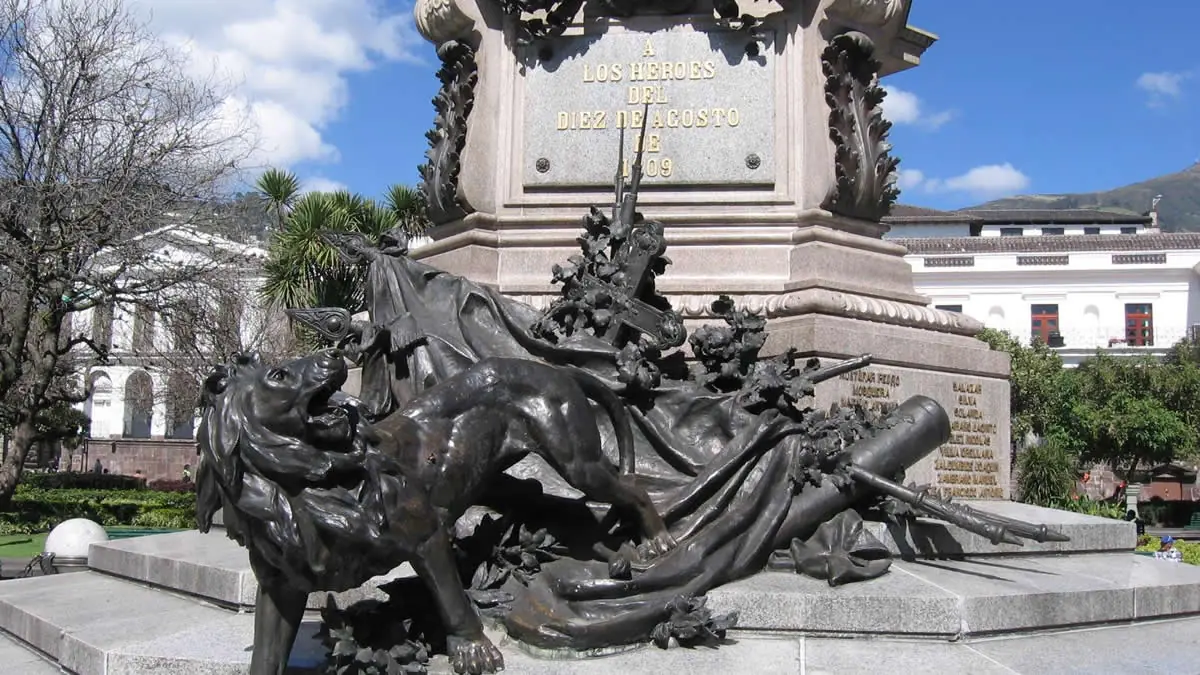
August 2, 1810: The Quito Massacre
Freedom isn't free, and the bill came due a year later. Spanish troops executed the imprisoned leaders of the 1809 revolt in a brutal display of colonial "justice." It backfired. Instead of quashing the rebellion, they created martyrs that fueled a continental firestorm.
Phase 2: High-Stakes Battles and Strategic Shifts
October 9, 1820: The Guayaquil Breakout
Guayaquil, the humid, salt-crusted hub of coastal commerce, pulled off a nearly bloodless coup. By declaring independence, they created the Free Province of Guayaquil, providing a vital port and a strategic base of operations for the liberators moving into the highlands.
November 3, 1820: The Liberation of Cuenca
Shortly after the coast fell, the southern highlands followed suit. Cuenca's independence was a tactical masterstroke, securing the southern flank and ensuring that the patriot forces had the logistical support needed to push toward the capital.
May 24, 1822: The Battle of Pichincha
This is where the rubber meets the road—or rather, where the boots meet the volcanic ash. On the steep, oxygen-deprived slopes of the Pichincha Volcano overlooking Quito, General Antonio José de Sucre led a Patriot army to a crushing victory over the Royalists. This wasn't just a skirmish; it was the final nail in the coffin for Spanish rule in the territory.
June 1822: The Gran Colombia Experiment
With the Spanish cleared out, the region joined Simón Bolívar's ambitious, if short-lived, mega-state: Gran Colombia. It was a grand vision of a unified South America, but like a motorcycle with too many sidecars, the internal weight soon became too much to handle.
Phase 3: The Birth of the Republic
May 13, 1830: Cutting the Cord
Politics is a messy business, and by 1830, Bolívar's dream was fracturing. The Department of Ecuador officially separated from Gran Colombia, marking the birth of the Republic of Ecuador as a sovereign nation. General Juan José Flores took the helm, and a new era of independence began.
Key Takeaways for the Modern Traveler
- August 10: National Holiday (Independence Day).
- May 24: Battle of Pichincha Day (Expect parades and high-altitude pride).
- Must Visit: The Cima de la Libertad on the slopes of Pichincha for the best view of the battlefield and the city.