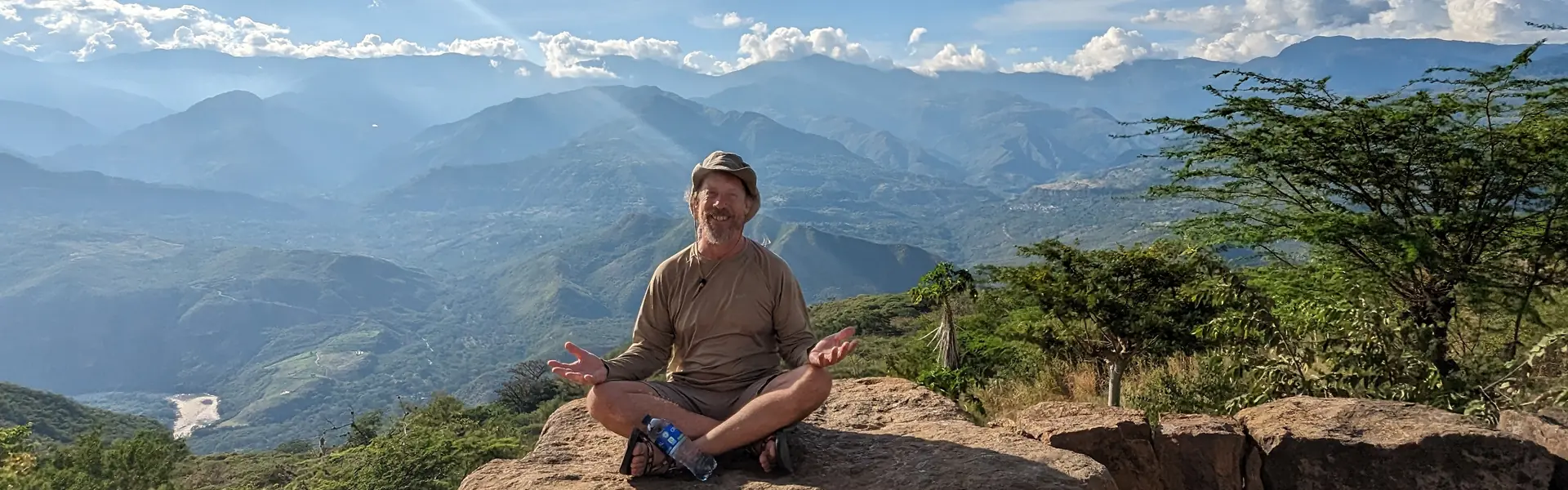
Panama Hats: Why They're Really Made in Ecuador (Not Panama)
The hats have been hand-woven in Ecuador for centuries, but they gained global fame and their enduring name thanks to two major historical events that centered on the Isthmus of Panama.
To truly understand the "Panama Hat," you must look past the misnomer and into the heart of the Ecuadorian Sierra and Coast. The production of these fine toquilla straw hats is more than just a craft; it is a vital component of the local economy that relies on the Ecuadorian Minga Culture—the community labor tradition that maintains the fields and rural roads used by these master weavers. For travelers landing in the capital, mastering the Ecuador North Sierra Bus Logistics is the most efficient way to reach the artisan hubs where these hats are created. Whether you are bartering for a brim in the Otavalo Markets or visiting a high-end workshop in Cuenca, understanding the history of this "misnamed" icon is the key to appreciating the resilience of Ecuadorian craftsmanship.
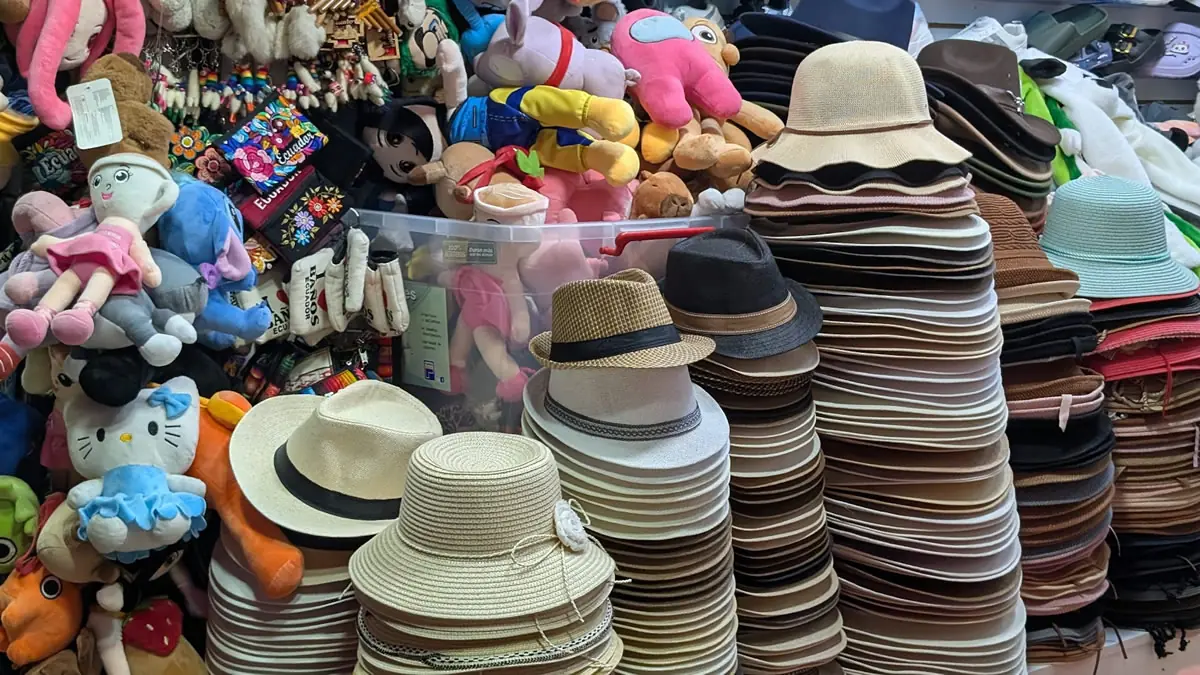
The Trade Route Factor (The Point of Sale)
For centuries, Ecuador did not have a strong international trading presence, but its neighbor, Panama, was a crucial global shipping hub.
- Trade Hub: In the 19th and early 20th centuries, most South American goods—including these finely woven straw hats, which are called sombreros de paja toquilla in Ecuador—were shipped up the coast to the Isthmus of Panama.
- The Global Gateway: Panama was the narrowest strip of land connecting the Atlantic and Pacific Oceans. Before the Panama Canal opened, travelers would cross the Isthmus to change ships.
- Customer Base: The hats were sold in massive quantities in Panama's busy ports and markets to travelers, merchants, and gold prospectors heading to California (especially during the Gold Rush of the 1850s).
- The Name Sticks: When a traveler arrived in New York, London, or San Francisco wearing the stylish, lightweight hat, and was asked where they got it, the answer was simply, "Panama." The place of purchase overshadowed the place of manufacture.
The Celebrity Endorsement (The Panama Canal)
The name was permanently cemented in the global consciousness by the construction of the Panama Canal and a famous photograph.
- Worker Uniform: The hats were worn by the thousands of workers and engineers building the Panama Canal, providing essential protection from the intense tropical sun and heat.
- The Roosevelt Photo (1906): U.S. President Theodore Roosevelt visited the construction site in 1906. He was photographed wearing a light-colored, black-banded straw hat while inspecting the canal works. This photograph was published worldwide, and the caption often simply referred to the item as the "President's Panama hat."
- Global Recognition: Roosevelt's photo gave the hat the ultimate celebrity endorsement, sealing its association with Panama forever, despite its Ecuadorian origins.
Where to Buy and See Hats Being Made
If you want to bypass the global marketing myth and see the real magic happen, you need to hit the ground in Ecuador. This isn't just about buying a souvenir; it's about watching raw palm fiber get wrestled into wearable art by people who have been perfecting the craft for generations. Here is where you can witness the gauntlet of steam, straw, and skill.
Homero Ortega Hats (Cuenca)
Rating: 4.7 / 5 Stars
In the high-altitude industrial heart of Cuenca, Homero Ortega Hats stands as a living monument to the toquilla trade. It's a generational powerhouse where you can smell the damp straw and hear the hiss of steam presses shaping raw fibers into classic silhouettes.
- Offers a free, gritty look at the washing, bleaching, and blocking process right on the factory floor.
- Features an on-site museum detailing the sweat-soaked history of the 19th-century hat trade.
- Stocks a massive inventory ranging from rugged daily beaters to silken "Super Fino" crowns.
"Very in depth rundown on the entire process of the panama hats they make they go so far as to even show you where they work very nice and quick with both a English and Spanish speaking tour guide to help" – Nic Mora
Museo Del Sombrero De Paja Toquilla (Cuenca)
Rating: 4.6 / 5 Stars
For a more intimate, boutique vibe overlooking the rushing Tomebamba River, Museo Del Sombrero De Paja Toquilla is where you drop-kick the mass market. This historic building lets you sip a strong coffee while watching master weavers practically perform witchcraft with straw.
- Showcases artisans working live in the gallery spaces.
- Provides custom-fitting and on-the-spot shaping to match the exact topography of your skull.
- Boasts an upstairs café with killer views of Cuenca's terraced Barranco district.
"...The guide explains in a clear and accessible way the history, craftsmanship, and cultural importance of one of Ecuador's most iconic products worldwide..." – Wilfrido Matamoros
Toquifina Ec (Montecristi)
Rating: 4.9 / 5 Stars
If you want to ride out to the coastal lowlands where the true legends are born, point your compass toward Montecristi and find Toquifina Ec. This is ground zero for the "Montecristi Super Fino"—weaves so tight they hold water and can roll up to slide through a wedding ring.
- Specializes in genuine Montecristi weaves, recognized by UNESCO as Intangible Cultural Heritage.
- Allows buyers to bypass the middlemen and handle the product at the source, where the coastal humidity is essential to the craft.
- Maintains brutal transparency on "weave counts," ensuring you know exactly why you're dropping serious cash on an investment piece.
"...She shows us the process of molding and finishing of the product..." – Patricia Lombeyda