Why are Latin American Streets Named After Dates?
Street names in Latin America aren't just for navigation; they are tactical markers of political sovereignty and national identity.
The use of dates as street names is a deep-rooted tradition tied to nation-building and the political goal of commemorating pivotal historical moments, particularly those related to independence and sovereignty. Unlike many countries that rely heavily on a person's name, Latin American countries often use the exact calendar date of an event as a powerful, permanent symbol. You will encounter these symbols immediately upon arrival; for instance, the Quito Airport Frugal Bus traverses several of these historic avenues before reaching the city center. These streets are more than just pavement; they are the stage for the Ecuadorian Minga Culture—the community tradition of collective labor that maintains these public spaces and the historical monuments they house. For the resilient traveler, understanding these tactical markers is the key to navigating the Andes with the situational awareness of a local.
1. To Honor the Event, Not Just the Hero
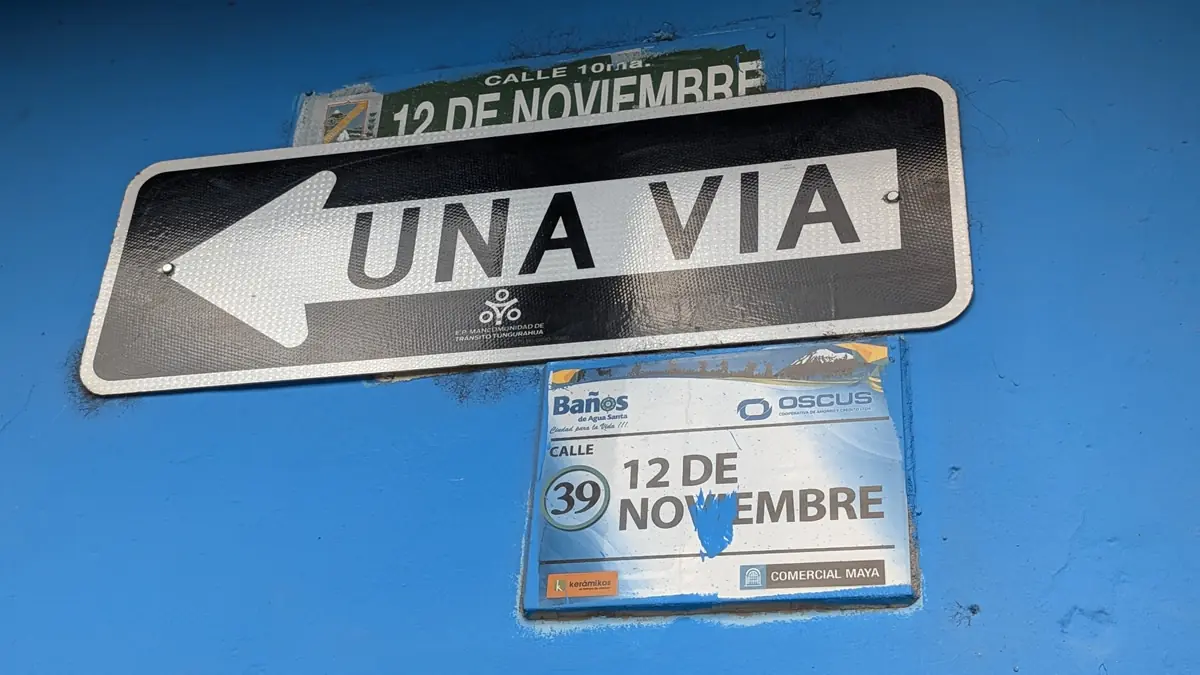
The date itself often represents a moment greater than any single individual. By naming a street after a date—such as Avenida 9 de Julio (Argentina) or Avenida 10 de Agosto (Ecuador)—the focus is placed on collective action rather than a specific hero who might later become controversial.
- Commemoration: Serves as a constant, daily reminder of national milestones and sacrifices.
- Immortality: The date is an objective, unchanging marker of history, whereas political figures can fall in and out of favor.
2. Political and Ideological Symbolism
New republican governments in the 19th century needed to systematically erase colonial-era names (which often honored Spanish royalty) and replace them with names reflecting new national identities.

- Replacing the Past: A deliberate strategy to sever ties with the former Spanish monarchy.
- National Unity: A street named after a national date fosters a shared cultural memory understood by all citizens.
Historical Timeline: Critical Ecuadorian Dates
The system essentially turns the city's street map into a timeline of national history. Here are the milestones you will encounter most frequently:
| Date | National Significance |
|---|---|
| 12 de Febrero | Discovery of the Amazon River (1542); Day of the East. |
| 24 de Mayo | National Holiday: Battle of Pichincha (1822); final independence. |
| 10 de Agosto | National Holiday: Primer Grito de la Independencia (1809). |
| 9 de Octubre | Independence of Guayaquil (1820). |
| 6 de Diciembre | Foundation of Quito (1534). |
| 1 de Mayo | International Labor Day (Día del Trabajo). |