Questions And Answers About The Ocoee River and River Features
Curious about the Ocoee River's location, history, and rapids? Here are expert answers to the most common questions about river classification, specific features, and local travel tips based on decades of professional experience. Many visitors begin their journey by exploring the Ocoee River FAQ to understand the basics of a commercial trip before moving on to technical navigation.
As a veteran guide and ACA-certified instructor, I believe that understanding the river begins with its unique physics. Whether you are curious about the Middle Ocoee Guidebook and its 27 standard rapids or preparing for the high-consequence Class IV lines detailed in the Upper Ocoee Guidebook, professional beta is the key to a successful run. Moving beyond "marketing fluff" allows rafters and private boaters to develop the river sense required for technical mastery.
Safety is the core of every discussion on the Ocoee. It is vital for every boater to be familiar with professional swiftwater safety protocols and the inherent risks of whitewater before putting on the water. By examining the technical Ocoee River Hydrology of benchmark drops like Broken Nose and Table Saw, you can gain a deeper appreciation for the science behind the splashes.
Where is the Ocoee River Located?
The Ocoee River is located in Southeastern Tennessee near the Georgia state line, flowing through Copperhill, Tennessee.
Where does the Ocoee River begin?
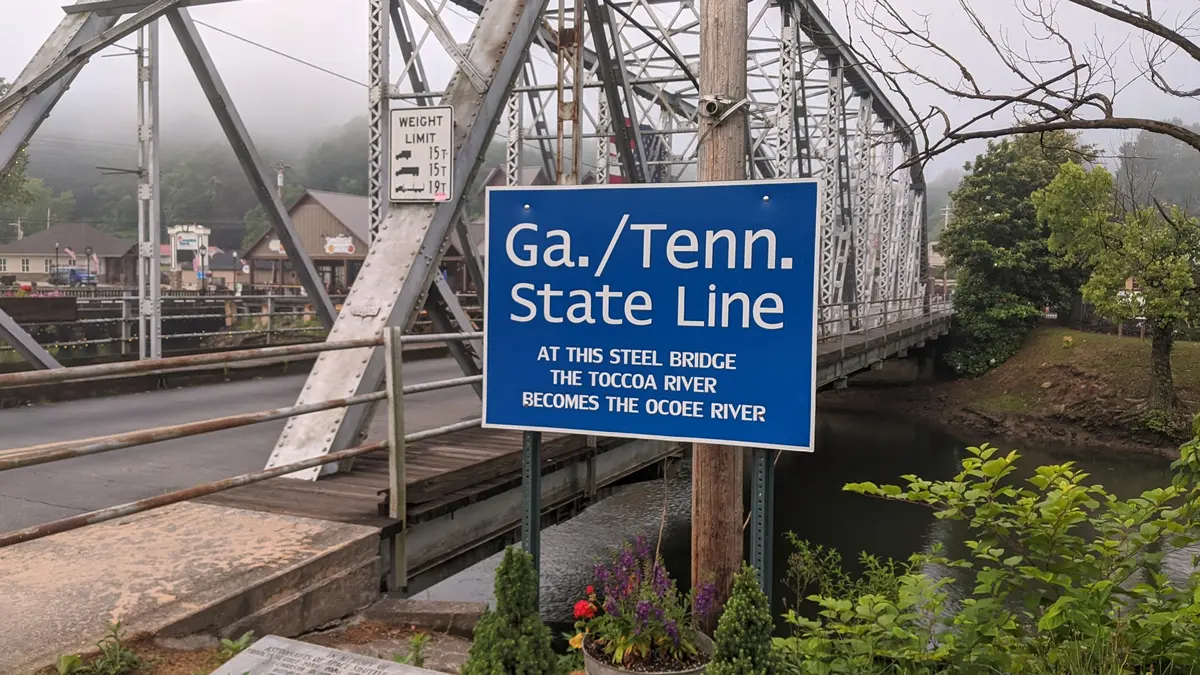
The river begins as the Toccoa River in Georgia before crossing the state line into Tennessee, where it becomes the Ocoee.
Which parts of the Ocoee River have commercially run whitewater rapids?
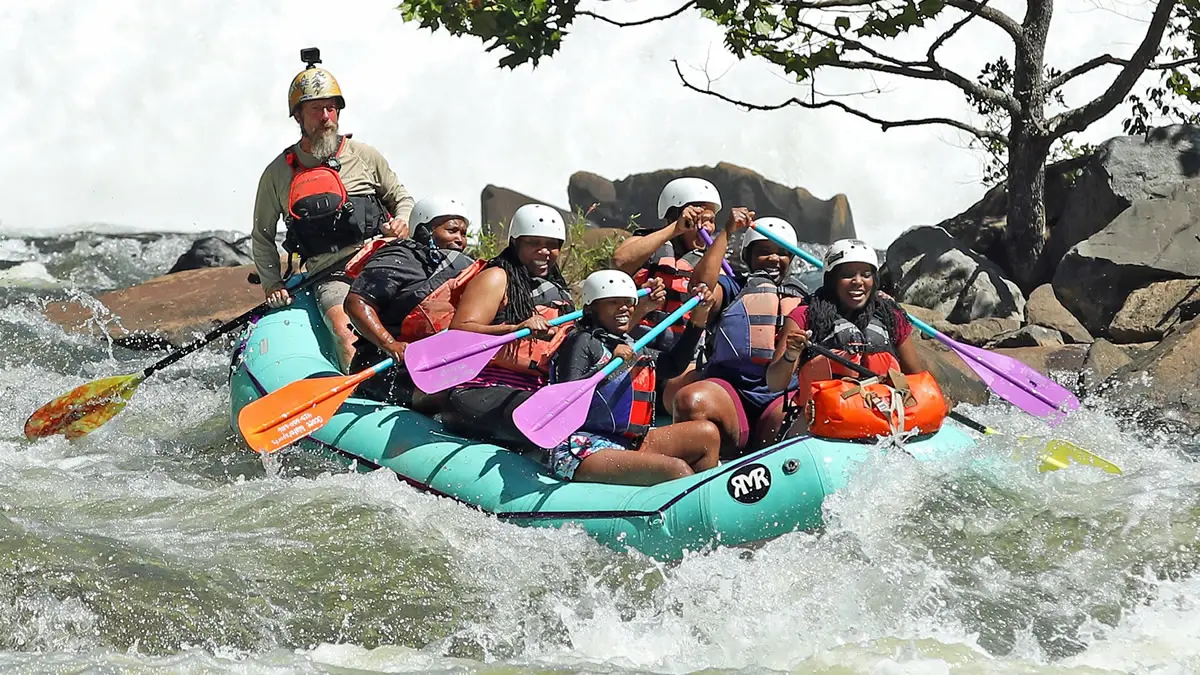
The Middle and Upper sections of the Ocoee River are run commercially. The Middle Ocoee is Class III in nature, while the Upper Ocoee is Class IV. The Upper Ocoee also contains a re-engineered channel used for the 1996 Olympic whitewater slalom events.
Is the Ocoee River man made?
The Ocoee River is ancient. While it was harnessed for electric power production over a century ago, it is a naturally formed river. Only a quarter-mile section was channelized and engineered for the 1996 Olympics. TVA narrowed the channel and added/enhanced some features for the games. This section is largely devoid of foot entrapment hazards as rocks were removed and concrete was used to fill sieves and undercuts.
Is there a good Ocoee River guidebook for future guides and private boaters?
Yes, check out my online Ocoee River Guidebook & Rapids Guide. It covers the Middle and Upper Ocoee sections in detail with video clips showing the lines and features.
Which is better: the Upper or Middle Ocoee?
The Upper Ocoee has big Class IV rapids while Middle Ocoee is Class III with more rapids. The best choice is the Full River trip that includes both. Just be sure you are prepared and fit enough for the demanding Class IV water.
How does the river grading system work?
The classes designate the difficulty and danger of the rivers rated.
- Class I – Moving water with little or no obstructions. Example: Town Tuck in Bryson City.
- Class II – Easy rapids with clear routes obvious without scouting. Example: Hiawassee River.
- Class III – Rapids with high, irregular waves. Narrow passages often require precise maneuvering. Example: Middle Ocoee River.
- Class IV – Long difficult rapids with constricted passages in turbulent water. Scouting is often required. Example: Upper Ocoee River.
- Class V – Extremely difficult, long, and violent rapids. Significant hazard to life. Example: Green River Narrows.
- Class VI – Exploratory limits of navigation, rarely run except by experts.
Does the Ocoee River have Class 5 rapids?
No, the Ocoee does not have Class V rapids. The Upper Ocoee has a few Class IV rapids named Mikey's, Blue Hole, The Olympic Channel, and Roach Motel. The Middle Ocoee is a Class III river with two benchmark Class III+ rapids named Broken Nose and Table Saw.
Can you swim in the Ocoee River?
Yes, there are designated areas to swim on commercial trips. Your guide will let you know where it is okay to swim. Private boaters also enjoy swimming at the base of Cat's Pajamas.
Common River Terms
- Eddy Line: The dividing line between upstream and downstream currents.
- Pour Over: A large rock that creates a powerful hydraulic as water flows over it.
- Wave Train: A series of rolling standing waves, often seen at the bottom of rapids.
- Tongue: The smooth "V" of green water showing the main flow.
- Ledge Hole: A powerful hydraulic created by a ledge in the riverbed (e.g., Humongous).
Why do rafts flip?
Physics. If the mass and velocity of the water hitting the raft exceeds the raft's momentum, or if the raft hits a feature sideways (bad vector), it can flip. Hitting waves straight-on with momentum helps prevent this.
What is foot entrapment?
Foot entrapment occurs when someone foolishly attempts to stand in swift moving current. The foot gets wedged in rocks, and the current pushes the swimmer face down. It is very dangerous and can result in drowning. Always keep feet up!
Where should I stay when rafting?
- Cabins: Blue Ridge, GA area.
- Hotels: Ducktown Copper Inn (book early!).
- Campgrounds: Thunder Rock (State Park) or Persimmon Creek (Private, alcohol allowed).
Where can I eat near the Ocoee River?
Local favorites include Kat's Deli, Mexico Loco, El Rio, Kenny's Pizza, and the Rum Cake Lady Cuban Cafe.
What caused the fire at the Ocoee Whitewater Center?
The fire occurred in April 2022, resulting in the total loss of the center. The investigation was led by the ATF, but as of late 2022, no specific cause had been publicly determined.
What movie was filmed on the Ocoee River?
The river scenes of the movie Blood Money (2017) were filmed on the Ocoee River.