Questions And Answers About Rafting Guides
How much impact does having the guide make on my rafting experience?
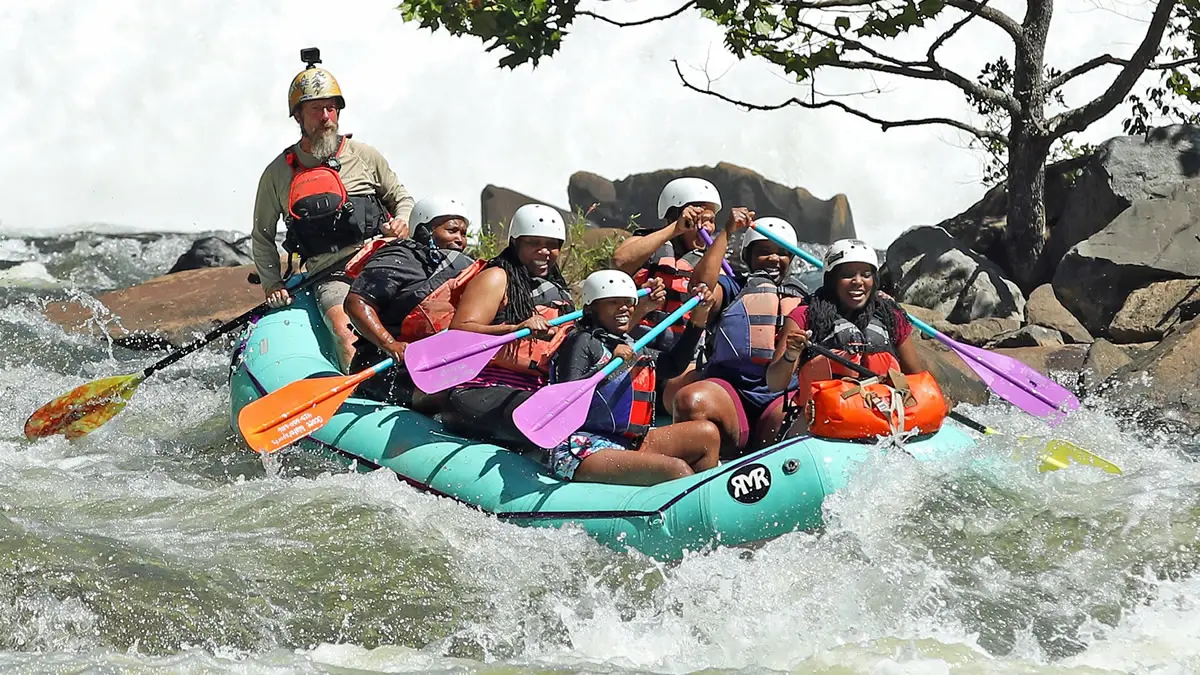
Your guide can often make or break your whitewater rafting experience. A great guide brings personality, experience, and knowledge, which translates directly into safety, fun, and a memorable trip. They are focused on meeting your expectations for the adventure, which is why many guests review the Middle Ocoee Guidebook before their trip to understand the Class III lines we navigate daily.
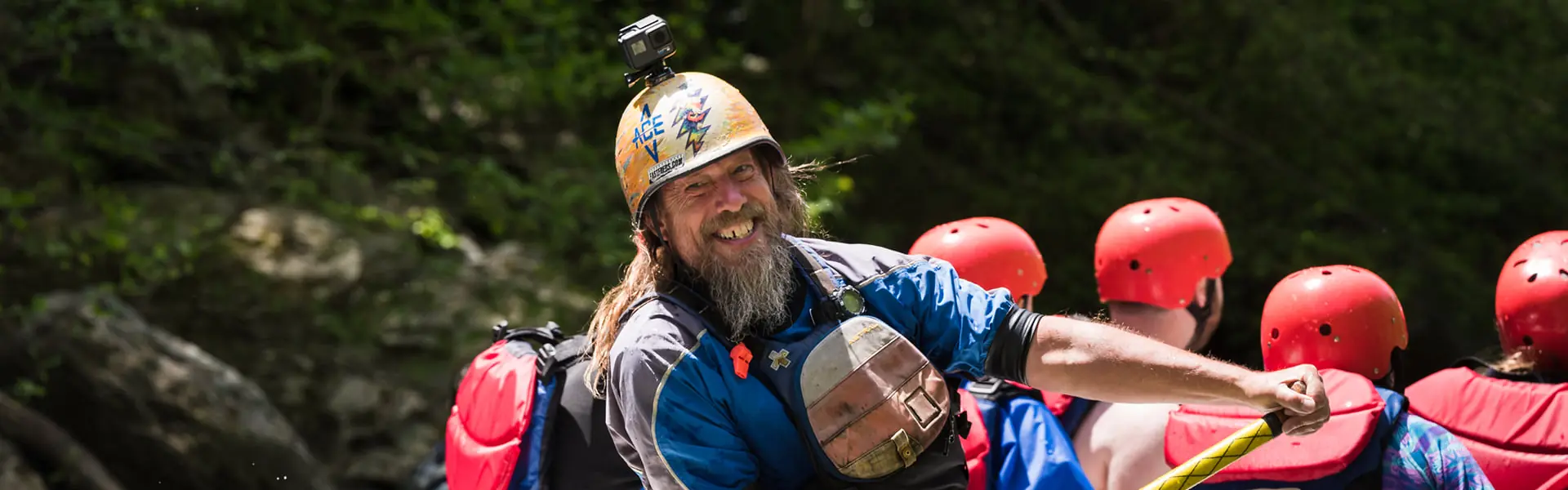
As a veteran professional and ACA-certified instructor, I know that true guiding goes beyond just steering the boat. It requires a deep understanding of Ocoee River Hydrology and the ability to read complex subsurface features. Whether we are running standard commercial routes or the high-consequence Class IV rapids detailed in the Upper Ocoee Guidebook, professional beta is what keeps the crew synchronized and safe.
Beyond navigating the water, your guide is your frontline manager for swiftwater safety protocols and mitigating inherent risks. After safely guiding you through benchmark drops like Broken Nose and Table Saw, they may offer local tips on food and points of interest to round out your vacation. A professional guide ensures your trip is as safe as it is thrilling.
How do I book the best guide for my rafting experience on the Ocoee River?
Booking the "best" guide depends entirely on what you want out of your rafting adventure. Do you want a super chill, easy run down the Middle Ocoee, or are you seeking a spicier, more challenging ride? Consider what your expectations are, then communicate them to the outfitter when booking.
How knowledgeable are the reservationists? Are they honest?
Typically, the people who answer the phones at rafting companies are retail sales representatives, not guides. They are focused on making a sale and often read from a script. Take their answers and descriptions with a grain of salt. If you have specific needs, try to speak with someone who is a seasoned guide or whitewater enthusiast.
Can we tip our river rafting guide?
Yes, please tip your guide! The rafting industry is a service industry, and guides rely heavily on tips for compensation.
How much should we tip our whitewater rafting guide?
Like most service industries, 20% of the total trip cost is standard. However, if your guide went above and beyond to make your trip safe, fun, and memorable, you may increase your tip to show extra gratitude or appreciation.
How much do Ocoee River guides earn?
Due to fierce competition among the roughly two dozen outfitters on the Ocoee River, guide pay is quite low. Outfitters often cut costs to attract customers, and guide pay is a common casualty. Guides must purchase and maintain their own gear which is often expensive and wears out.
- Base Pay: Base trip pay is typically less than $50, even for senior, experienced guides. First-year guides may earn significantly less. Many guides will only get one trip per day especially first year guides.
- Dependence on Tips: Outfitters expect good guides to earn tips, and guides depend on these tips to cover living expenses and gear. Essentially, the guest determines what the guide earns. Please be generous!
Do you tip the safety kayaker working your rafting trip?
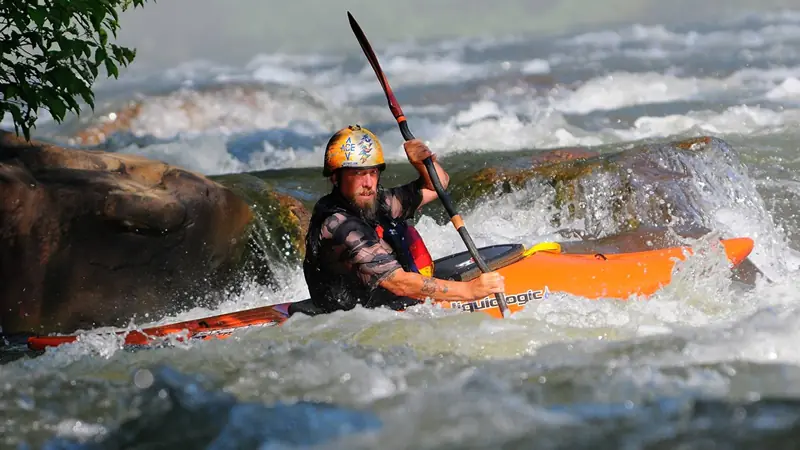
Safety boaters are rarely tipped unless something significant occurs. However, if you see safety boaters, it is often a high-water day, and these individuals are typically the most experienced guides on the river. Tips are highly appreciated for safety boaters as well.
Why do guides tell us when to paddle?
Guides work with the crew to safely and efficiently navigate challenging rapids. Following paddle commands helps ensure a fun and safe rafting adventure. The guides' goal is to avoid flipping the raft or otherwise increasing the risk of injury to their guests.
I want to paddle the whole time. Why shouldn't I just paddle when I want to?
Guides are navigating through technical rapids on the Ocoee River. It is critical that the crew follows commands promptly and correctly. Random, uninstructed paddling will increase the risk of incidents to both you and the crew by throwing off the balance and steering of the raft. If you do not want to follow a guide's instructions, consider a self-guided trip on an easier Class II river, such as the Nantahala River.
How do I become a raft guide on the Ocoee River?
Those wishing to become guides should apply to outfitters just after the holidays (beginning of the year).
- Training: On the Ocoee River, expect to train every weekend from the beginning of April through Memorial Day Weekend.
- Requirements: A positive, cheerful attitude and physical fitness are required.
- Compensation during Training: You will not be paid during the training phase, so it is important to have funds for living expenses during this period.
Is being a raft guide hard work?
Yes, it is physically demanding. Guides need to be strong enough to safely load and unload heavy rafts from the tops of buses used for transport. Guides require significant strength to steer and control rafts, especially on technical rivers like the Ocoee.