🇬🇹 Guatemala Travel Hub: The Rugged & Frugal Guide
The scent of diesel exhaust and scorched clutch plates is the unofficial incense of Guatemala. If you're looking for a sanitized, pre-packaged vacation, stay in Cancun; but if you want a country that demands your attention and rewards your grit, you cross the border from Mexico into the highlands.
I spent two months navigating this volcanic landscape, living on a river guide's budget and a nomad's curiosity. From the border crossings to the chaotic beauty of Lake Atitlán, here is the raw reality of roaming Guatemala. This wasn't just a trip; it was a "Hard Reset" in a land where ancient Maya tradition and modern survival tactics collide on every street corner.
The Overland Transition: Mexico to the Highlands
Crossing from Mexico into Guatemala is a psychological shift. You leave behind the relative order of the Mexican highway system and enter a vertical world where gravity is merely a suggestion. The logistics are straightforward for the patient: get your exit stamp, walk across the line, and prepare for the "Chicken Bus" baptism. It's a transition that weeds out the tourists from the travelers within the first hour.

In Guatemala, the retired American school bus is king. These machines are stripped, chrome-plated, turbocharged, and driven by men who possess either a death wish or the fastest reflexes in the hemisphere. For less than $10, you can cross half the country. It is loud, it is crowded, and it is the most honest way to see the terrain. You'll share space with sacks of grain, crates of poultry, and locals who view a 60-degree mountain incline as a minor inconvenience. This is where you learn that "schedule" is a flexible term and "adventure" is mandatory.
The Hobo Summit: Panajachel and the Gringo Trail
My base of operations was Panajachel, the gateway to Lake Atitlán. This isn't just a tourist town; it's a crossroads for the "world's most interesting men"—or at least the most nomadic. I linked up with Andy Lee Graham, a man who has been living out of a bag since before most "influencers" were born. We weren't there for the five-star resorts; we were there for the frugal apartments and the $2 tacos.
Joining us were characters like Wade and Al—men who have traded the American rat race for a life of intentional minimalism. We spent our days dissecting the cost of living over $1.50 Gallo beers and navigating the narrow alleys of "Pana" in Tuk-Tuks that felt like motorized tin cans. There is a specific kind of wisdom found in these circles—a technical mastery of logistics that allows a man to live better on $1,000 a month in Guatemala than most do on $5,000 in the States. We call it the Hobo Summit, and the barrier to entry is simply having the guts to show up.
Tactical Movement: Water Taxis and the Xocomil
Movement on Lake Atitlán is a lesson in fluid dynamics. The lake is a massive volcanic crater, and the towns clinging to its shores—San Marcos, San Pedro, Santiago—are often best reached by water. The "Lanchas" (public water taxis) are the lifeblood here. A trip from Panajachel to San Marcos will run you about 25 Quetzales ($3.20 USD).
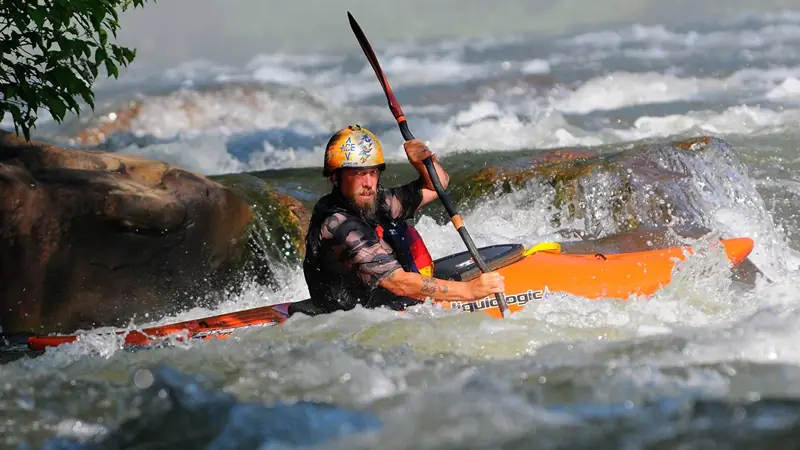
Pro Tip: Pay attention to the Xocomil. Around midday, the winds kick up and turn the lake into a washing machine. If you're crossing in the afternoon, sit as far back in the boat as possible. The bow will hammer the chop like a mallet on an anvil, and your spine will pay the price if you're sitting up front. As a river guide, I appreciate a good hydraulic, but these lake crossings in a loaded lancha require a different kind of respect for the power of nature.
Ruins and Rituals: The Iximché Experience
While Tikal gets the Instagram glory, I prefer the ruins that don't require a domestic flight. Iximché, the former capital of the Kaqchikel Maya, is a masterclass in accessible history. Getting there from Panajachel is a frugal traveler's dream: catch a chicken bus to Sololá for roughly 44 cents, then another to Los Encuentros, and a final hop to Tecpán. It's a multi-stage logistics puzzle that costs less than a cup of coffee back home.
What makes Iximché special isn't just the stone plazas; it's the living culture. It is an active ceremonial site. It's common to see Maya priests performing fire rituals amidst the ruins, the smell of copal incense cutting through the mountain air. It's a raw, un-sanitized connection to the past that makes the $7 entry fee feel like the steal of the century.
The Verdict: Living Rich on Less
Guatemala is not for everyone. It is dusty, the noise floor is high, and the logistics require a level of patience that many westerners simply don't possess. But for the intentional minimalist—the person who has had their life "washed away" and is looking for a way to rebuild with purpose—it is a sanctuary. Whether you are hunting for the best Al Pastor tacos on Calle Santander or figuring out how to filter lake water to avoid "Gastrointestinal Roulette," Guatemala proves that wealth isn't about your bank balance—it's about your freedom.
🚌 Transport & Logistics
Getting around Guatemala can range from the dirt-cheap "Chicken Buses" to private drivers. Understanding the pros and cons of each mode is essential for managing your budget and your safety. In this section, we break down the costs and expectations for long-distance travel and ancient site visits.

Lake Atitlán to Guatemala City by Chicken Bus
Master the frugal route between Panajachel and Guatemala City. Skip the expensive tourist shuttles and learn how to catch the direct Rebuli chicken bus at 4:30 AM to bypass the soul-crushing congestion and reach the capital efficiently for under $10.

Visit Iximche Maya Ruins from Panajachel
Iximche was the capital of the Kaqchikel Maya. This adventure began along the shores of Lake Atitlan at Panajachel. Catching a chicken bus to Solola for only 44 cents USD is a masterclass in frugal travel. It is a place of active ritual where modern Maya priests perform fire ceremonies amidst ancient stone plazas.
🚢 Lake Atitlan Local Life
Life on the lake is defined by the water. To move between towns like Pana, San Marcos, and San Pedro, you must master the lanchas. Within the towns, the Tuk-Tuk is the only way to navigate the vertical alleys where gravity is merely a suggestion.

Lake Atitlan Water Taxis
Lanchas are the lifeblood of the lake. A trip from Panajachel to San Marcos costs about $3.20 (25Q). Pro Tip: Sit in the back; the bow of the boat will hammer the water like a mallet on an anvil when the afternoon winds kick up the waves.

Virtual Tuk-Tuk Ride with Andy Lee Graham in Panajachel
Take a virtual Tuk-tuk ride across Panajachel with Andy Lee Graham and Fast Fred Ruddock. Experience riding off-road, narrow alleys, and a sketchy little metal bridge across a gorge. It's a raw look at how we navigate the vertical towns of Guatemala in motorized tin cans.

Panajachel Apartment Hunting Strategy
Skip Airbnb and avoid the Gringo Tax. Learn the frugal "boots on the ground" strategy of using a $16 room at Hotel Amigo to find $250/month apartments in person.

San Pablo Apartamento Review: $200/Month
Secure a monthly apartment with a private kitchen and mountain views in Panajachel for exactly $200 a month. Overcoming a tricky suicide shower is a small price to pay to live rich on a river guide's budget.
🍎 Culture, Food & Survival
Thriving in Guatemala means more than just booking a room. It's about finding the best $2 tacos, managing costs by cooking in your apartment, and understanding water quality. This section provides the "Hard Reset" essentials for living rich on a river guide's budget.

Best Tacos in Panajachel
I lived for the Tacos Al Pastor at Taqueria La Guadalupana on Calle Santander. It's authentic, family-run, and costs less than a latte. Watch the video to see the real deal cooking on the spit and get a whiff of the unofficial incense of Pana.

Cooking Well on a Frugal Budget
Living rich doesn't require a lot of money. I cook fresh shrimp and local veggies in my apartment to stay fueled for adventures while keeping my budget tight. Learn the "Hard Reset" philosophy of intentional minimalism on the road.

Cost of Living in Panajachel
Go grocery shopping with me on Lake Atitlan. I breakdown the costs in local Quetzales and US dollars. Experience walking the streets and browsing stores to understand exactly how far your dollar goes in the heart of the Maya world.

Lake Atitlan Water Quality
Don't trust the tap. While arsenic levels in public water are stable, aggressive microbes remain a concern. Learn the hygiene and boiling protocols you need to stay safe on the lake and avoid getting "Atitlan Belly."
Guatemala Frugal Travel FAQ
Is it safe to travel on a Guatemalan Chicken Bus?
As a river guide, I respect fast-moving hydraulics, and these buses are the terrestrial equivalent. They are safe if you stay alert. Keep your backpack between your feet or on your lap—never on the roof if you can avoid it. For less than $10 USD, you can cross half the country, making it the ultimate frugal choice.
How much does it cost to visit Iximche from Panajachel?
Using local transit, the one-way transportation cost is approximately $43.50 Q ($5.52 USD). This includes a chicken bus to Sololá ($0.44 USD), a transfer to Los Encuentros ($0.63 USD), a bus toward Tecpán ($3.17 USD), and a final tuk-tuk to the ruins ($1.26 USD).
What is the best way to move between Lake Atitlán towns?
Public water taxis (lanchas) are the most efficient. A trip from Panajachel to San Marcos is roughly 25 Quetzales ($3.20 USD). Sit in the back to avoid the spine-jarring impact of the afternoon Xocomil winds.