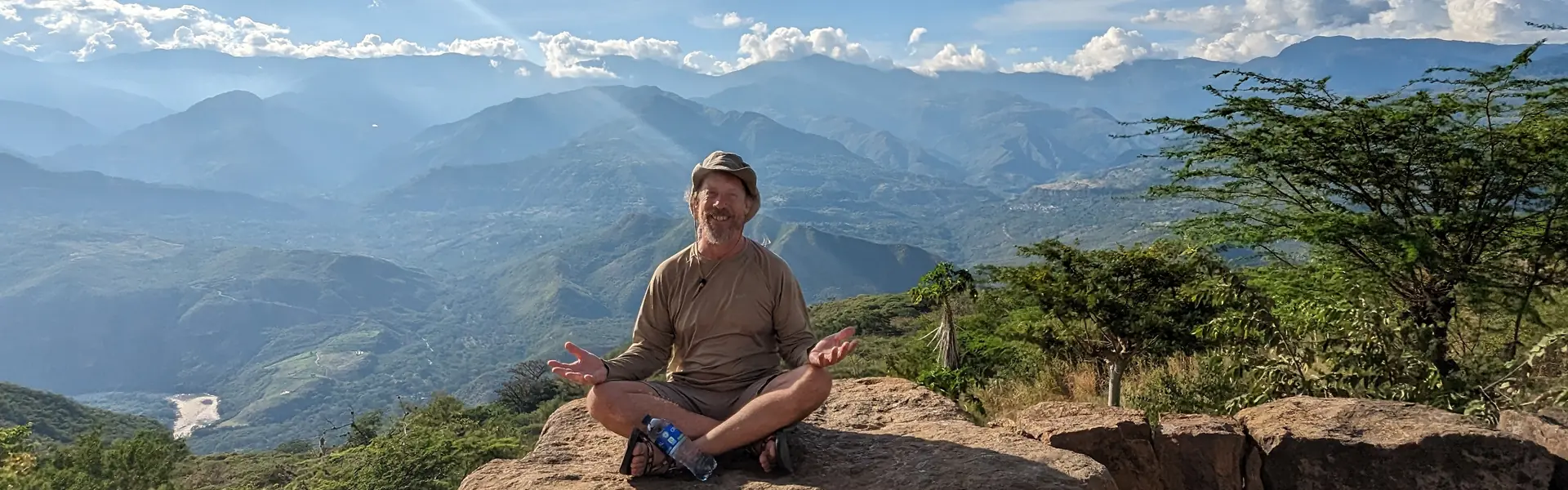
Cooking on a Budget in Guatemala
They tell you that chasing the endless summer requires a trust fund or a sudden, unexpected inheritance, but I'm here to tell you that's a load of bureaucratic nonsense. You don't need to be rich to eat well; you just need to know how to navigate a local market and work a camp stove.
If you want to stretch your dollars in Latin America without sacrificing your standard of living, you have to take control of your kitchen. Today, we're skipping the standard, uninspired eggs and diving into a frugal, flavorful shrimp and veggie breakfast right here in Guatemala.
The Myth of the Expensive Adventure
Far too many travelers bleed their bank accounts dry at tourist-trap restaurants. Frugal shopping in Guatemala—or anywhere from here to Ecuador—is an art form. It's about understanding the local economy, mastering your cost of living, and knowing where the fresh ingredients hide.
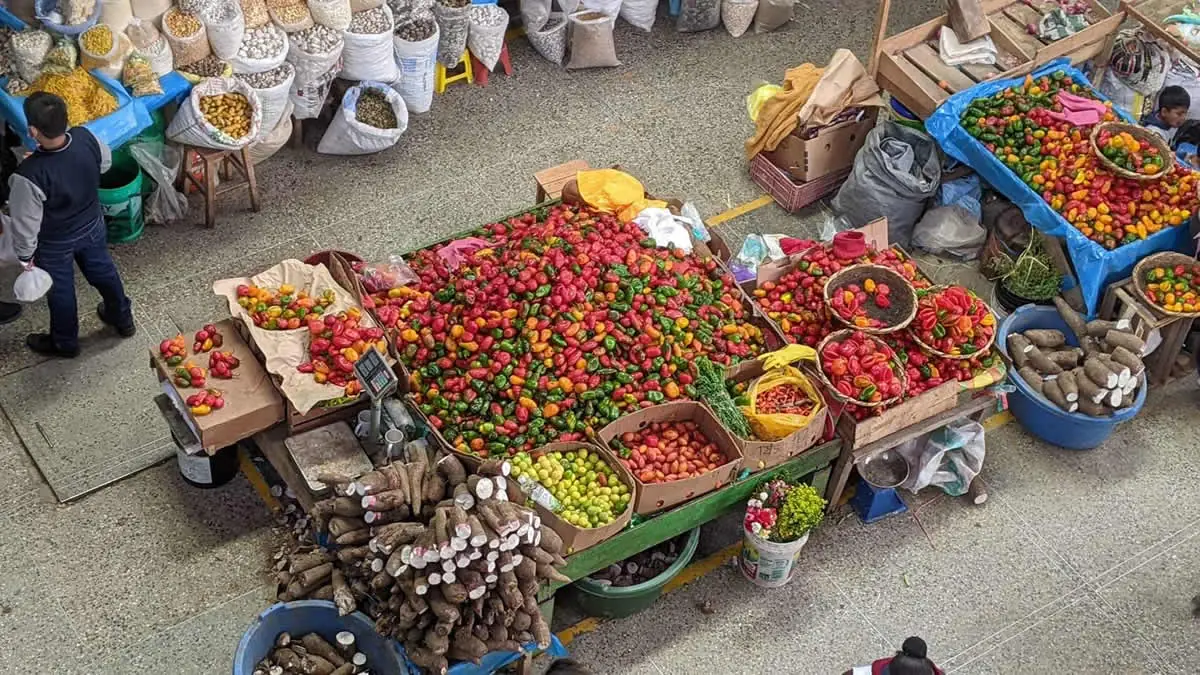
Living a rich life on a lean budget means prioritizing your spending. You save cash at the market so you can spend it on the things that matter: more miles on the motorcycle, better gear, and another week on the road.
Key Takeaways for Market Shopping:
- Skip the imports: Buy what's grown locally. In Guatemala, the root vegetables and fresh herbs are unparalleled.
- Negotiate respectfully: Understand the going rate and pay a fair price, but don't get taken for a ride.
- Embrace the "Ajo": Garlic is your best friend when cooking on the road. It covers a multitude of sins and elevates cheap ingredients.
Culinary Independence: A Shrimp & Veggie
Let's get technical. Cooking a proper meal with limited resources is entirely about timing and sequence. If you throw everything into the pan at once, you're going to end up with a tragic, mushy disaster.
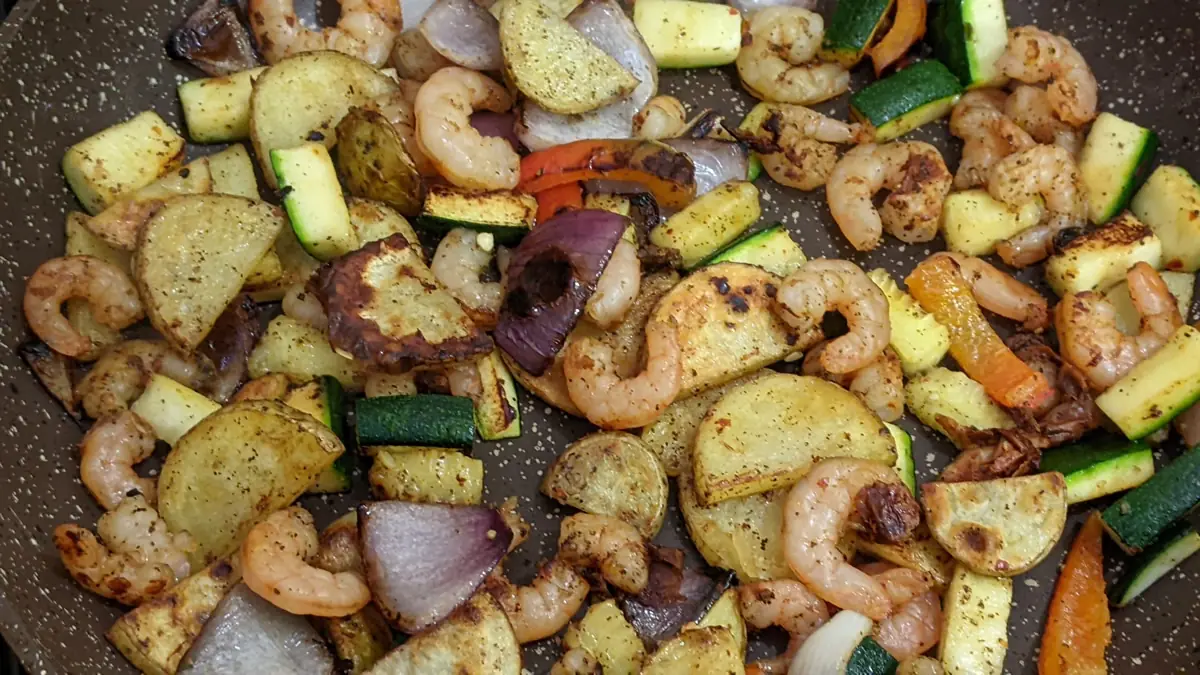
Start with the heavy hitters. You have to get the root vegetables and peppers going first. They need the heat to break down and caramelize. Only when they are sufficiently softened should you even think about adding the zucchini and delicate local herbs.
Latin American Kitchen Hazards: The Leaky Gas Bottle
Now, a word of warning for the uninitiated. When you're cooking in hostels, Airbnbs, or out of the back of a van in Central America, your equipment is often suspect.
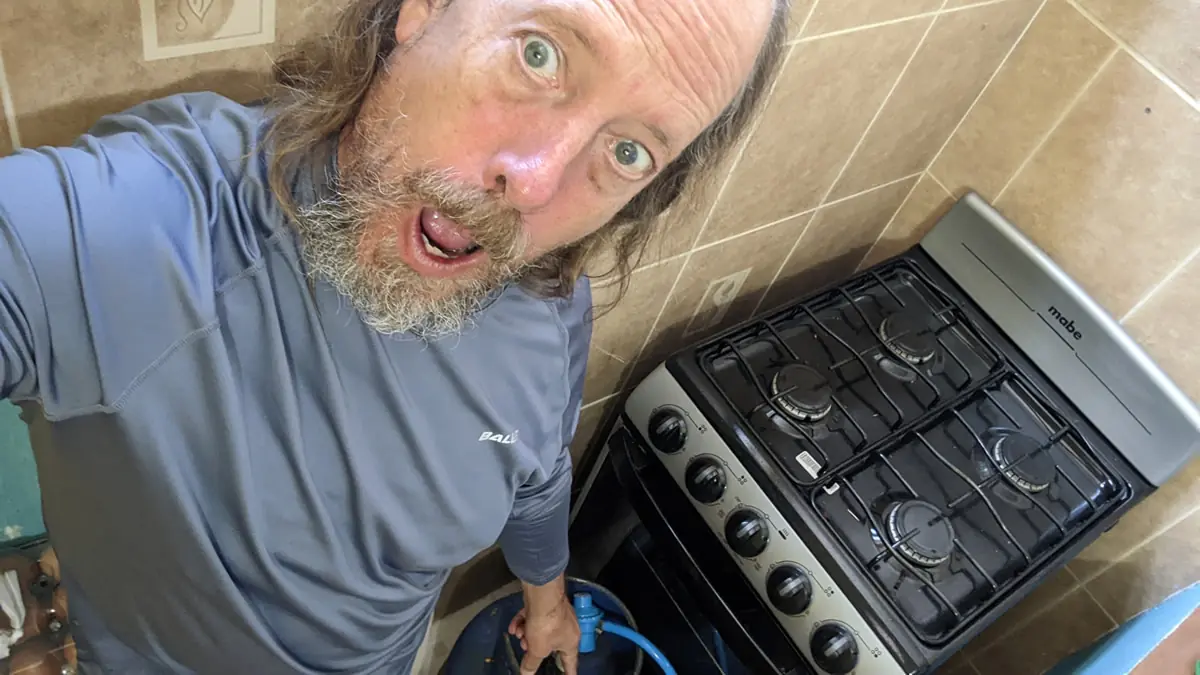
Always remember this vital technical tip: dealing with leaky gas bottles is a common hazard in Latin America. Always check your connections before you strike a match. An explosion is a terrible way to ruin a good breakfast.
Food Safety and Water Quality South of the Border
Let's talk about the shrimp. Seafood on the road requires vigilance. Prepping the shrimp correctly and ensuring it hits the pan at the right temperature is non-negotiable for food safety. Combine those shrimp with the right spices only after your veggies are locked in.
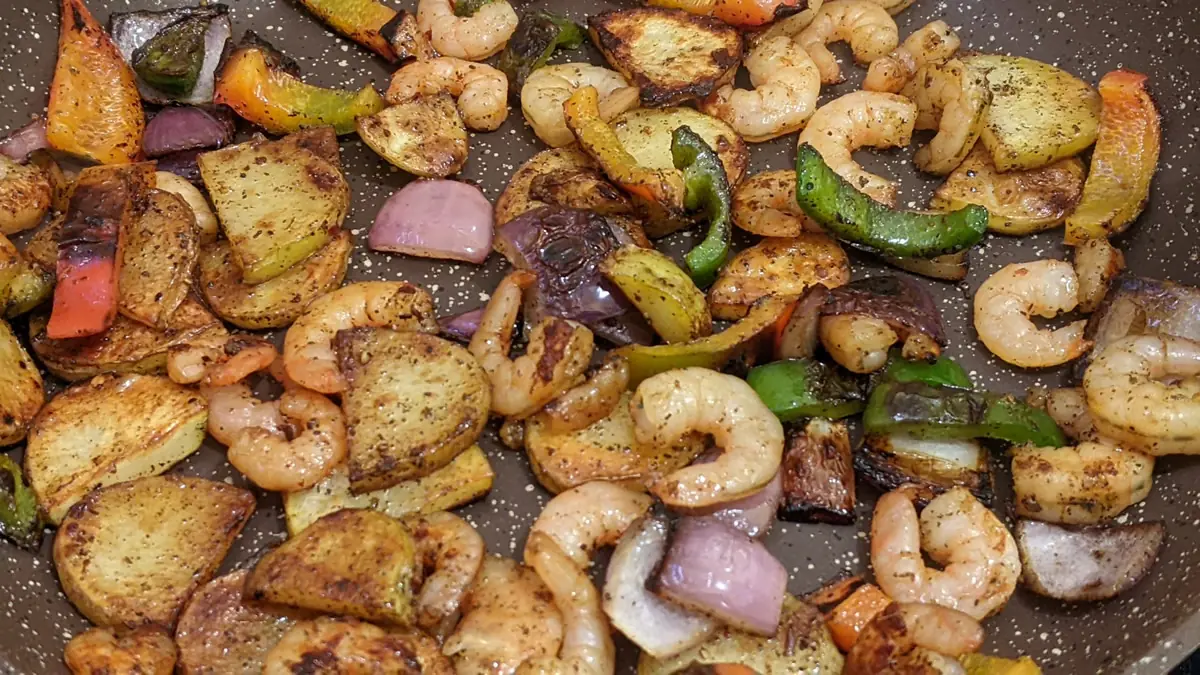
Water quality is the other half of the battle. You have to know your environment. While I still dream about the pristine water quality down in Peru, you have to treat every local water source with a healthy dose of skepticism and implement proper filtration or boiling protocols, especially when managing the arsenic and microbes in Lake Atitlán.
The "Endless Summer" Philosophy
This isn't just about breakfast; it's a blueprint for the "Endless Summer" philosophy. Stretching your dollars allows you to find the best, most authentic places to eat and sleep without a guidebook dictating your journey.
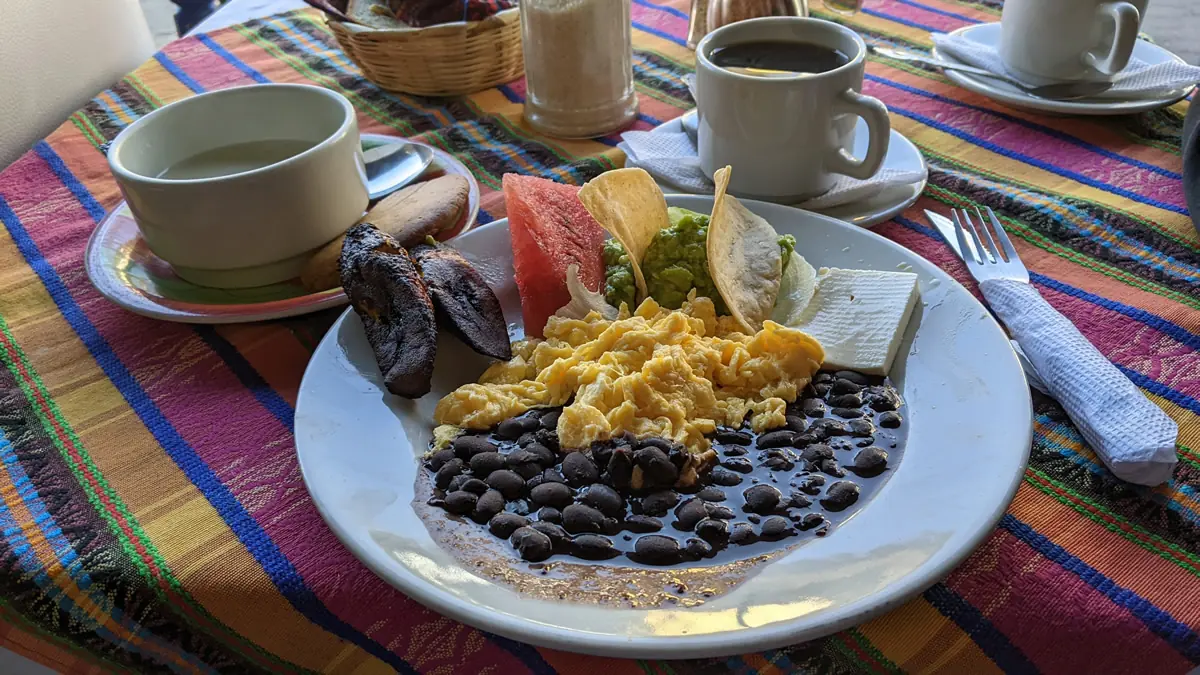
Whether we are talking about the right backpacks and camera choices for long trips or just how to get the perfect sizzle on a Guatemalan morning, the goal remains the same: self-reliance. The final result on the plate is proof. You don't have to be rich to eat well, and you certainly don't have to be rich to live free.
Ready to see how it's done? Watch the full masterclass video above and join the conversation. Drop a comment below—what's your go-to frugal meal on the road?
Support the Mission
- Join my Frugal Travel Facebook Group for real-time tips from the road.
- Need Gear? See exactly what I use to travel light and record my journeys on my Amazon Shop.