The Truth About Lake Atitlán Drinking Water Quality: Microbes vs. Arsenic
If you hang around the expat circles in Guatemala long enough, you'll hear plenty of horror stories about the microscopic beasts swimming in your drinking glass. Most tourists are obsessed with the biological hazards of Lake Atitlán water. They worry about the protozoans. They panic over the bacteria. But while everyone is busy dodging microbes, they are completely ignoring the invisible heavy metal sitting right in their morning coffee [01:13].
The Expat Paranoia: Microbes vs. The Real Threat
It never fails to amuse me. People will scoff at drinking the local tap water, but they will happily eat a plate of fish pulled straight out of Lake Atitlán [02:33]. The scuttlebutt about bugs in the water is blown wildly out of proportion.
Unless you are traveling in a handful of highly developed Western nations, you should always assume the local water supply has some unwanted biological passengers. This is an easy problem to solve. You don't need a degree in biochemistry to kill a microbe.
Why Boiling Water is Your Best Defense
You want to defeat the bacteria? Just boil the damn water [01:40]. A rolling boil for one solid minute is enough to turn any lethal protozoan into harmless protein.
I have spent years navigating backcountry hazards and maintaining my Wilderness First Aid certifications. Boiling your water is foolproof. You can even run it through a standard coffee maker to get the job done. If biological contaminants are your only fear, buying endless plastic bottles of water is just a waste of money that drives up your cost of living and commits a crime against the environment.
The Invisible Killer: Arsenic in Lake Atitlán
Here is the real danger that the expat rumor mill misses entirely. The actual threat lurking in the Lake Atitlán water basin isn't alive. It is naturally occurring arsenic.
Thanks to the rugged, volcanic geology of the region, arsenic leaches directly into the groundwater. While these low levels won't cause acute poisoning today, they carry long-term health consequences, including a potential link to increased cancer rates. And unlike a fragile microbe, you cannot boil heavy metals out of your water.
Bottled Water? Don't Let the Plastic Fool You
If you think buying a plastic bottle saves you from arsenic, think again. Much of the locally bottled water comes directly from the exact same private wells where the heavy metals are found [02:55].
Worse yet, there is no certified labeling on these local bottling operations. A smiling vendor might show you their well and hand you a freshly printed water quality report, but as a guy who knows his way around a word processor, I remain skeptical. Buying bottled water here often just means paying a premium for the same geological risks, packaged in Earth-choking plastic.
Tap Water vs. Private Wells in Panajachel
The great irony of Panajachel is that the public tap water might actually be your safest bet [03:31]. Municipal water here is largely drawn from surface mountain streams and artesian springs, which remain mostly untainted by the volcanic arsenic.
The real gamble happens when you rent an apartment or hotel room off the municipal grid. Many private wells in Panajachel test dangerously high for arsenic [04:39]. Before you sign a long-term lease, you need to know exactly where your plumbing pulls its water from—another major factor to consider for your monthly budget in Pana.
Fecal Matter and the Lake Atitlán "Dead Zone"
We cannot talk about the lake without addressing the raw sewage. While some towns around Lake Atitlán have wastewater treatment facilities, others straight-pipe their waste directly into the basin [06:02].
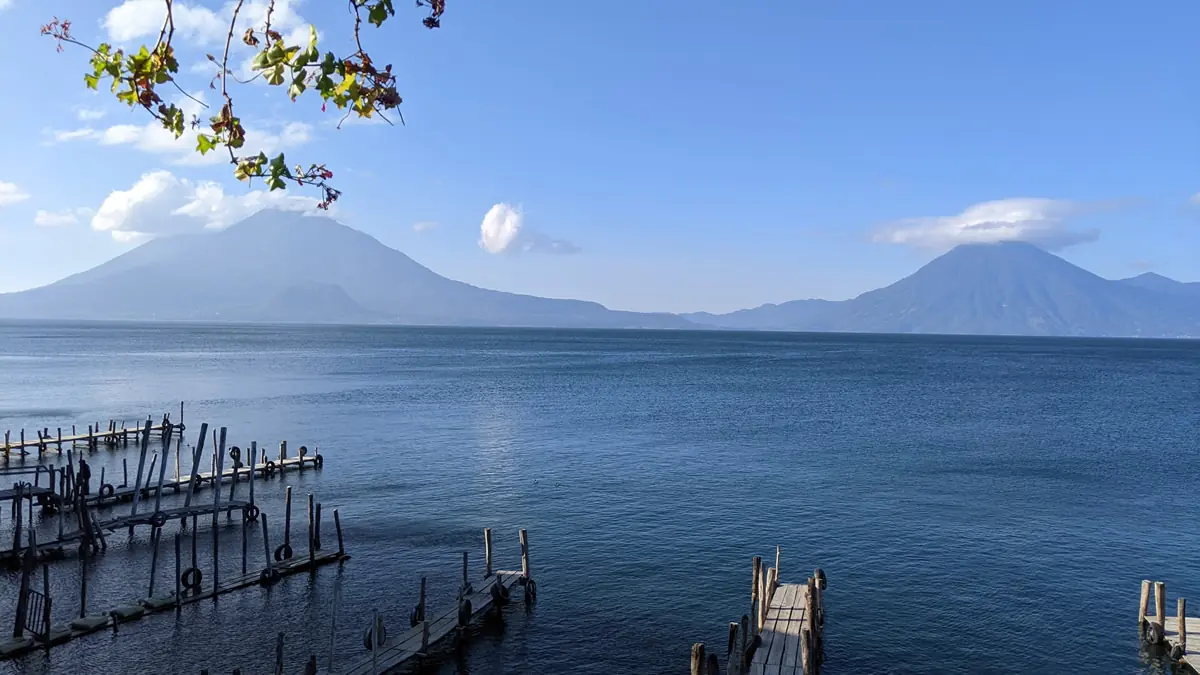
Lake Atitlán is stunningly deep, plunging over 300 meters down. But don't let the deep blue fool you. Because of the heavy influx of fecal matter, the oxygen in the deep water is completely monopolized by decomposition. Everything below the first 200 feet is a massive, oxygen-starved dead zone.
Fast Fred's Frugal Transit: Guatemala to Ecuador
My time in Guatemala is wrapping up, and the open road to Ecuador is calling. For those who want to skip the overpriced tourist shuttles, mastering the local chicken bus is your ticket to freedom [08:14].
Surviving the Quito Airport Bus Terminal
When you fly into Quito, do not let the taxi mafia fleece you for a $70 ride to Otavalo [09:15]. If you want to travel like a professional, you hit the buses.
For a massive two dollars, you can jump on a bus from the airport to the northern terminal in Quito. From there, affordable shuttles run constantly, connecting you to the southern terminal and throwing the doors open to Cuenca, Baños, and Riobamba. The only catch? If your flight lands deep into the night, the buses stop running. Grab a cheap room near the airport, sleep off the travel fatigue, and catch the $2 bus when the sun comes up.
Ecuadorian Bus Entertainment: The Traveling Salesmen
Riding an Ecuadorian long-haul bus is not just transportation; it is front-row theater [12:12]. Once you clear the city limits, the local traveling salesmen hop aboard to pitch their wares.
It is like watching a live-action Ronco commercial from the 1980s. These guys will aggressively sell you everything from questionable electronics to magic pills guaranteed to cure your ailments. The good ones have the charisma of a megachurch pastor and the hustle of a street-corner grifter. Forget the in-flight movie—just sit back, enjoy the show, and hold onto your wallet.