The Hobo Summit: Tuk-Tuk Tactics and Dry Rivers with Andy Lee Graham in Panajachel
There is a distinct kind of existential clarity that only comes from hurtling through the back alleys of a Central American town in a three-wheeled, glorified lawnmower. Forget the curated resorts and overpriced eco-lodges. If you want to understand the beating heart of Guatemala, you need to climb into a Tuk-Tuk with a man who has successfully avoided a conventional address for over two and a half decades.
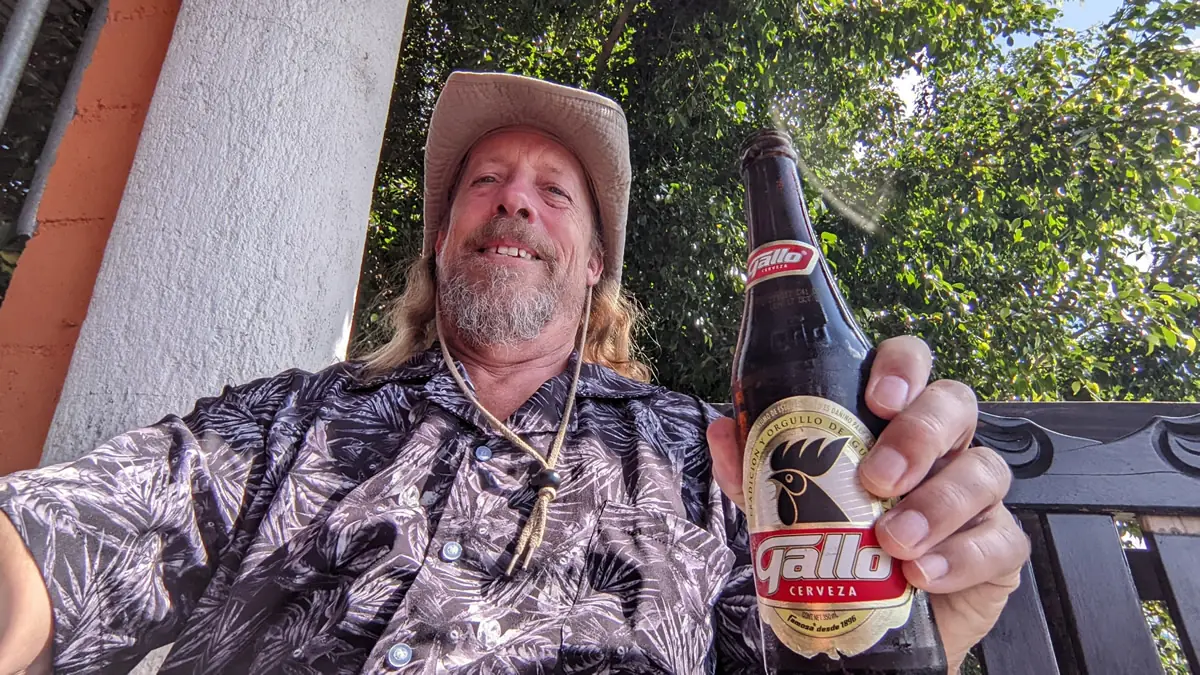
Recently, I found myself doing exactly that in Panajachel with the legendary Andy Lee Graham. Andy is the founder of HoboTraveler, a reformed alcoholic, and a perpetual nomad who has cracked the code on living comfortably on less than $1,000 a month.
While my own travels often lean heavily into the adrenaline-soaked realms of whitewater kayaking and motorcycle overland routes, Andy's approach is a masterclass in profound, slow-burn cultural immersion. We share the same Frugal Strategy, even if our daily execution looks a little different.
Contrasting Philosophies: The Whitewater Nomad vs. The Everyday Hobo
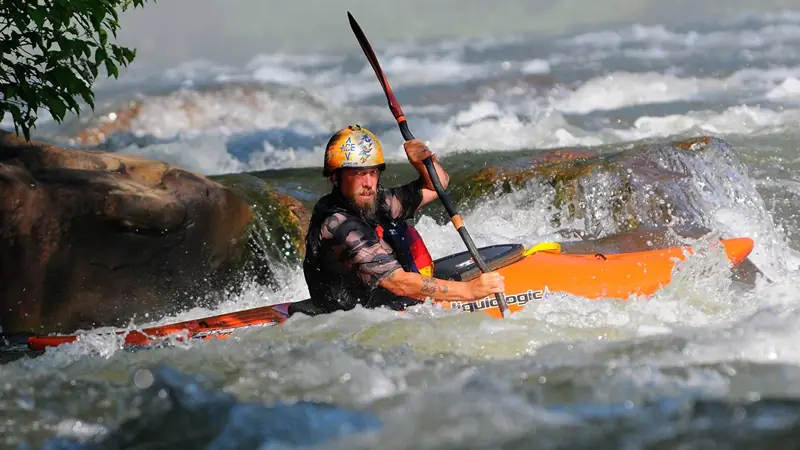
Our YouTube channels cater to a similar breed of rugged individualist, but with slightly different flavors. Fast Fred Travels is rooted in the visceral mechanics of the outdoors—the roar of an engine, the reading of a rapid, and a strict avoidance of the tribal political misinformation that infects so much of the modern internet. To each their own, but I prefer my turbulence in the water, not in the comments section.
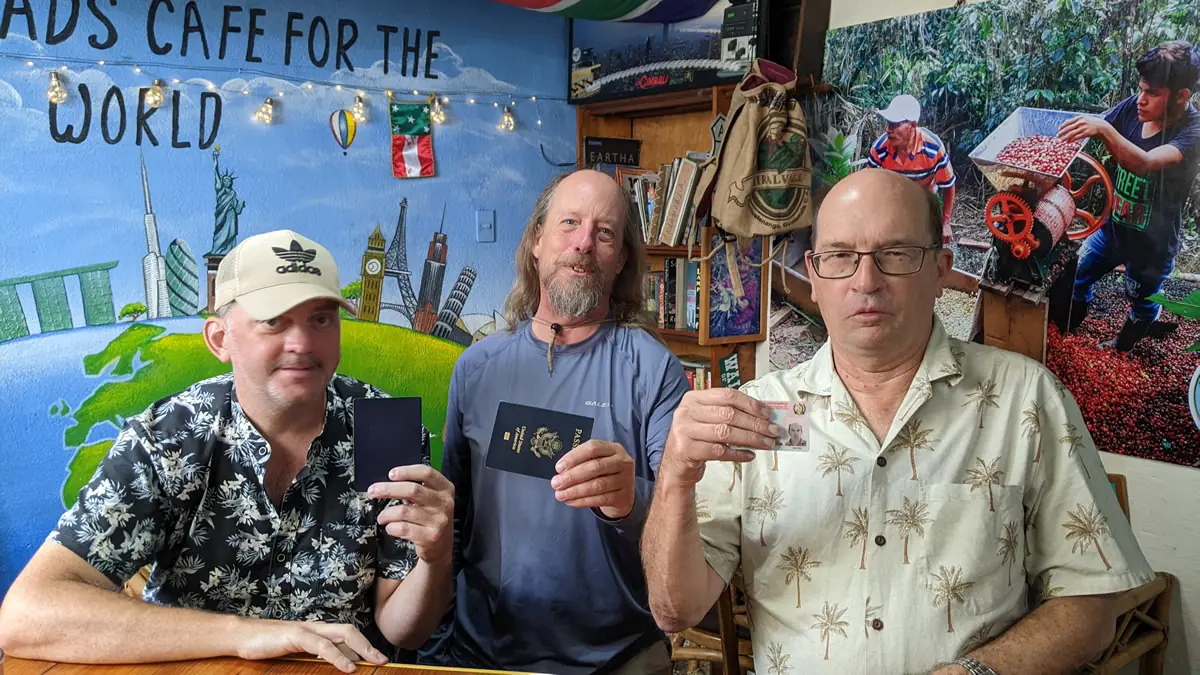
Andy's philosophy, the "Everyday Hobo" approach, is built on relentless, boots-on-the-ground observation across 115 countries. He isn't seeking the next Class V drop; he's seeking the absolute baseline of human connection and affordable living.
Yet, sitting shoulder-to-shoulder in that Tuk-Tuk, our philosophies aligned perfectly. We are both aggressively anti-tourist. We both believe in leveraging street-level logistics to scout long-term displacement opportunities. And most importantly, we were both on a mission to inspect the top-secret future site of "Hobo-Landia."
Stealth Gear and Narrow Alleys [1:05 - 2:40]
Navigating the labyrinthine, claustrophobic alleyways of Panajachel requires a specific set of tools. As we squeezed past cinderblock walls, the conversation naturally shifted to the gear that makes this lifestyle possible.
- The DJI Advantage: Andy was quick to point out the superiority of my camera choice: the DJI Pocket 2. When you lug a massive, full-frame DSLR into a local neighborhood, you instantly become a target or a nuisance. People freeze up. The authenticity dies. It's practically invisible. You can document the raw, unfiltered reality of a place without altering the environment you're trying to observe.
- The "Global Knowledge" Factor: As Andy rightly points out, too many people try to solve the world's problems from the comfort of their suburban living rooms. True global perspective requires getting your boots dusty and walking through the neighborhoods the guidebooks ignore.
The Sketchy Bridge and the Dry River Reality [3:40 - 4:15]
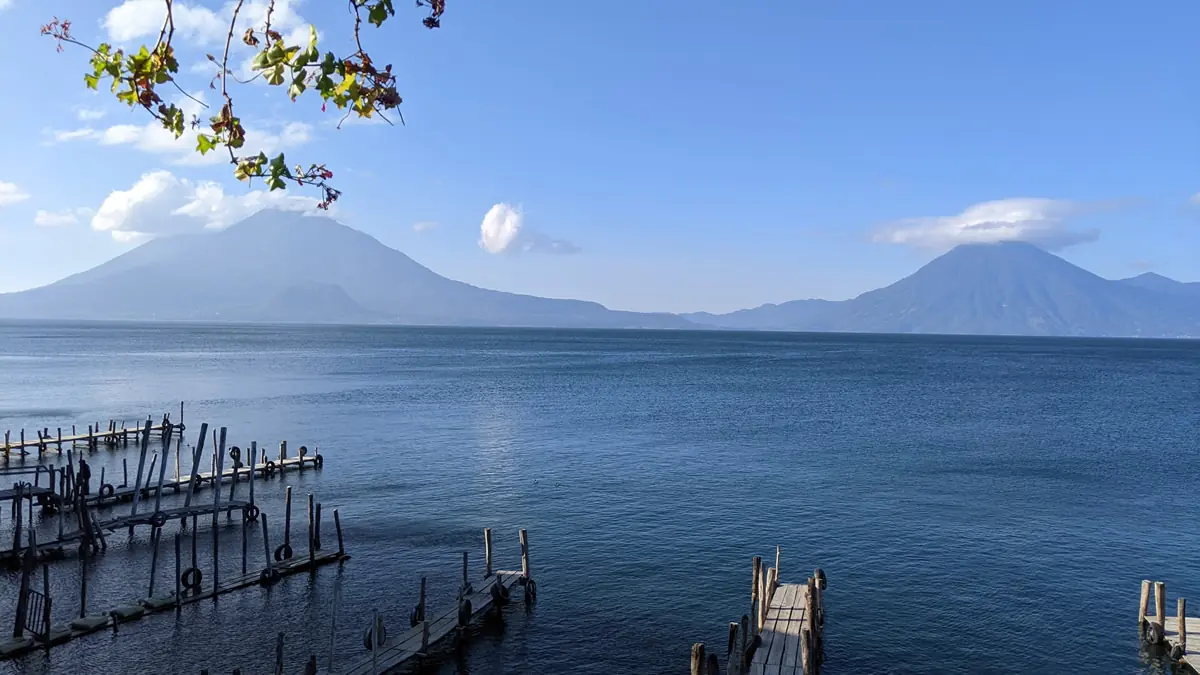
Travel isn't always smooth tarmac; sometimes it's a symphony of grinding gears and rattling sheet metal. Our route demanded we cross a profoundly sketchy metal bridge spanning a deep gorge. It felt like a much shorter, infinitely noisier version of a suspension bridge I once tackled over a roaring river in the Andes.
This crossing also provided a blunt answer to a question my kayaking subscribers have been relentlessly asking: Why aren't you on the water?
As the Tuk-Tuk rattled over the gorge, the camera panned down to reveal the stark truth. The riverbed was bone dry. In my world, this is what we call "technical reality." You can have all the ACA-certified skills in the world, but if there's no water to move, the kayaks stay securely strapped to the rack. Mother Nature dictates the itinerary.
Real Estate Illusions and the Hobo-Landia Dream [4:50 - 5:28]
Our Tuk-Tuk eventually deposited us at our destination, an area ripe for the kind of long-term, frugal settlement Andy advocates for. To highlight the absurdity of modern expatriate gentrification, Andy casually pointed out a local house that someone recently attempted to purchase for $300,000 in Bitcoin.
This is the antithesis of the frugal strategy. You don't come to a place like Panajachel to replicate the financial neuroses of the West. You come here to escape them.
The secret "Hobo-Landia" project we toured represents the true spirit of affordable travel—repurposing local infrastructure to create sustainable, long-term hubs for the financially liberated wanderer. We're here, figuring it out on the ground, and you're not. Why not?
Plan Your Own Escape
Stop letting the world happen without you. Ditch the inflated tourist packages and start studying the art of the Everyday Hobo and the Whitewater Nomad.