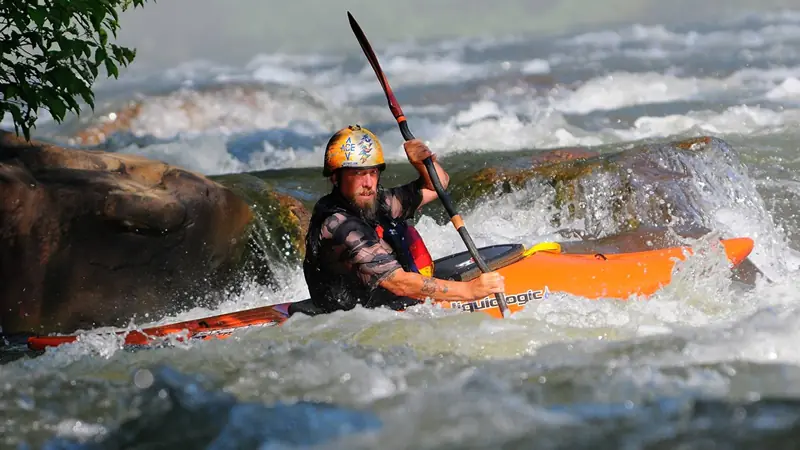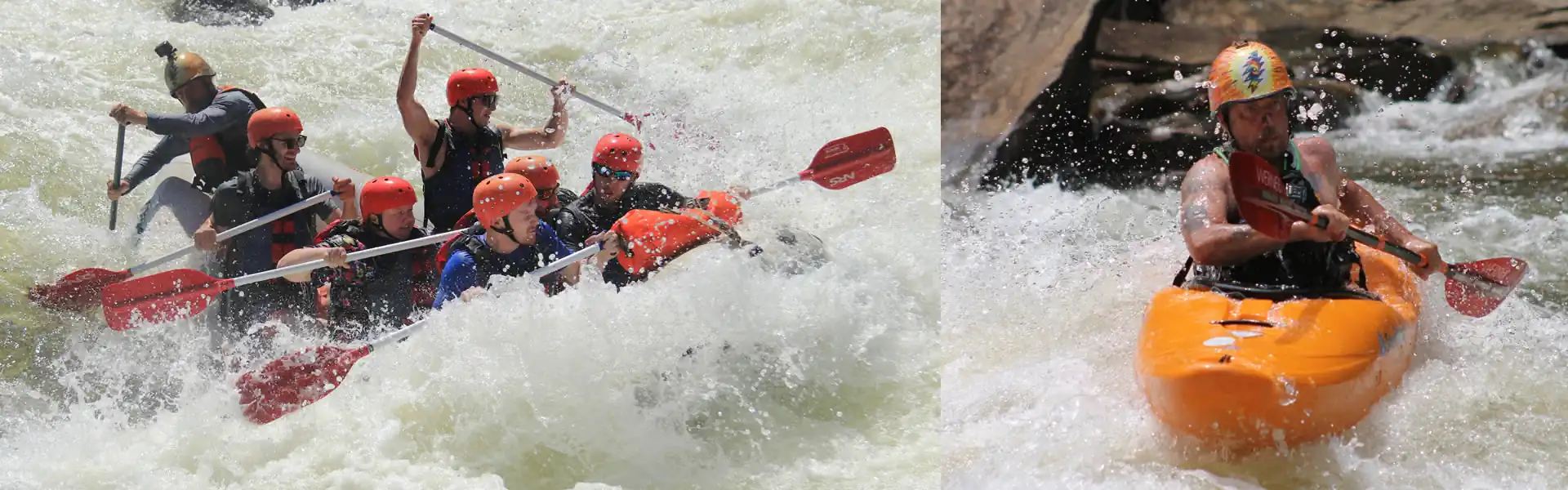
Hydrology and Hazards of Blue Hole
The 301 Ocoee River Hydrology and Hazards hub provides an expert-level technical audit of the river's most unforgiving features. This specific analysis covers Blue Hole and its high-consequence entrance known as "Let's Make a Deal." While many paddlers first master the Class III+ rapids detailed in the Middle Ocoee Guidebook, Blue Hole marks a significant increase in technical demand, requiring a deep understanding of subsurface entrapment risks before attempting the Class IV lines of the Upper Ocoee.
As a veteran professional guide and ACA-certified instructor, I produced this technical audit to help boaters and guides recognize the dangerous rock tunnels, caves, and sieves that define this section. This article and its companion video detail the specific mechanics of the "Doors," providing a virtual scout that reveals what lies beneath the surface hydraulics. However, these videos are intended as a training aid and are no substitute for a physical, low-water inspection of these subsurface river hazards.
Safety at Blue Hole is paramount due to the nature of the entrapment hazards. It is vital to ensure that your gear follows established swiftwater safety protocols, including the removal of exposed carabiners which can snag on subsurface features during a swim. By mastering the technical hydrology presented here and in my audits of Broken Nose and Table Saw, you can develop the river sense required to navigate the Ocoee with professional precision.
Video: Blue Hole Hydrology and Hazards
The entrance to Blue Hole is the second Class IV rapid you will encounter on the Upper Ocoee. This rapid follows Alien Boof (Mikey's) after a long pool. Located a short hike upstream from the Ocoee Whitewater Center, Blue Hole is a popular swimming hole for locals. The name derives from the view looking upward while swimming through tunnels in the rocks. I strongly recommend a visit at low water. This spot was named long before folks began rafting the Ocoee River.
Subsurface Hazards Analysis

After you swim and explore the tunnels in the rocks, you will understand the hazards present. Watch the video above about Blue Hole, as it describes and shows the hazards as well as a possible route through the rowdy rapid. This rapid is also a good test for how the run down the Olympic Course is going to go.
Safety Protocol & Prevention
While these accidents are tragic, they are avoidable. When paddling Class IV, the best plan is prevention. Weak swimmers or non-swimmers should not paddle Class IV water and above. All crew members should be fit and alert to follow paddle commands and work smoothly together as a team. Class IV whitewater rivers are wild places, not amusement parks. Speaking from personal experience, even strong swimmers are likely to take a beating if they swim Blue Hole.