Walking Mexico City: A Frugal Guide to Safety and Survival on Foot
Mexico City (CDMX) isn't just a destination; it's an apex-level urban environment. If you want to survive the local "Frogger" traffic and understand the true scale of this concrete jungle, you have to get out of the tourist shuttles and hit the pavement.
As a professional river guide, I read city grids the way I read whitewater: you have to look for the safest lines and anticipate the hazards. From the moment you secure your pesos at the MEX airport, this city demands situational awareness. Whether you are trekking west to explore the massive Bosque de Chapultepec or actively navigating police barricades and protests in the Zocalo, this is your definitive Mexico City travel guide for surviving on foot.
Bypassing the Marketing Fluff
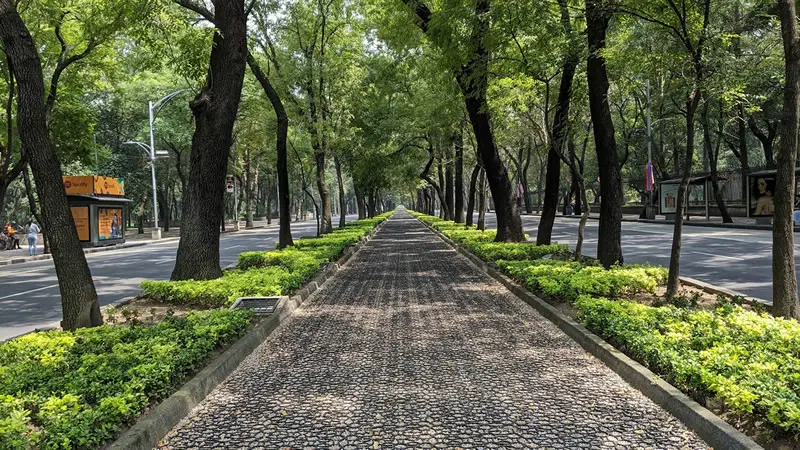
Mexico City (CDMX) stands as the largest metropolitan area in the Americas, a reality best understood through the objective lens of a pedestrian. Navigating this massive urban grid on foot is a technical challenge and a strategic choice that unlocks genuine cultural immersion. To truly experience the city, one must bypass tourist packages and engage directly with the geography, history, and politics of the streets.
The Bird's-Eye View: Torre Latinoamericana
The scale of the city is best visualized from the observation deck of the Torre Latinoamericana. From this vantage point, the tower offers a clear perspective of the Templo Mayor, the ancient Aztec heart of the city eventually buried by Spanish colonial expansion.
This height allows for technical observation of infrastructure, from helicopter pads to microwave antennas. It serves as a reminder that CDMX is built over a filled-in lakebed, a geographical fact that continues to influence the city's structural reality.
Navigating the Historic Center
Descending into the Centro Histórico, you enter a landscape where history is layered in stone. Spanish conquistadors built the first cathedral here using the stones of indigenous temples to construct colonial monuments.
For the frugal traveler, true value is found by observing how the "home folk" interact with the space. Stepping off the tourist track allows a traveler to move into the local economy, proving the most authentic adventure is also the most affordable.
Cultural Depth: Maize and Dissent
During the Fiesta de las Culturas Indígenas, the Zócalo becomes a showcase for the history of maize. However, looking past festival banners reveals a more complex political reality.
The presence of police barricades (read my Reality Check report here) is a reminder of the region's history of conflict and the desaparecidos of Ayotzinapa. Observing these security forces is essential for any traveler seeking depth over superficiality.
Conclusion
Mexico City is a walkable, consequential environment that demands respect. By applying the "Endless Summer" philosophy—traveling to save money compared to U.S. living costs—a traveler can explore this metropolis indefinitely. The real Mexico City is found in the walk.