Home Rafting Guidebook Travel 🔍 Search 🔍
Rafting Guidebook Travel 🔍 Search
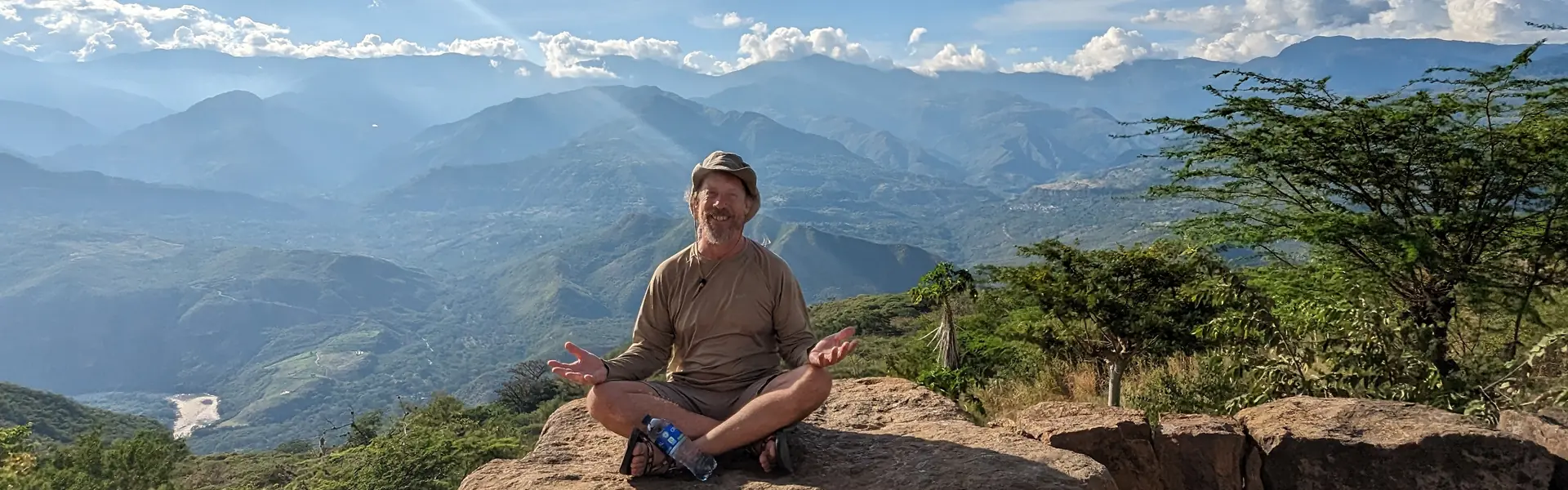
Fast Fred meditating on a mountain overlooking the Andes near San Gil Colombia
Join my Frugal Travel group for tips and current trip info & Subscribe to my YouTube Channel free!

Mexico City Lodging Strategy: El Centro Hostels vs. Juárez Digital Nomad Suites

Mexico City (CDMX) does not care about your comfort zone.

Sitting at 7,350 feet above sea level, this sprawling beast of a city is a lung-crushing, sense-assaulting, absolutely magnificent paradox. It is the oldest capital in the Americas, built by the Aztecs, conquered by the Spanish, and currently inhabited by over 21 million souls navigating a labyrinth of volcanic stone and concrete.

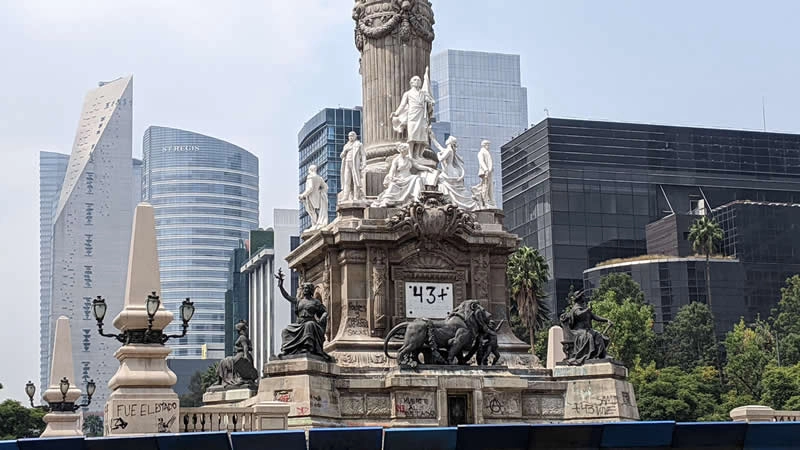
The Angel of Independence monument in Mexico City surrounded by skyscrapers

For the independent traveler, CDMX poses a tactical question: Do you want to live deep in the history for pennies on the dollar, or do you need the infrastructure to keep the cash flow moving?

Most travel bloggers will tell you to pick a hotel and stay put. I disagree. To truly understand the scope of this city—from the blood-soaked stones of the Templo Mayor to the verdant lungs of Chapultepec Park—you need a mobile strategy.

I spent weeks on the ground testing two distinct lodging philosophies:

  • The "Guide-Level" Bivouac in El Centro: ~$100/week, cold showers, and Aztec history at your doorstep.
  • The Digital Nomad HQ in Juárez: ~$400/week, hot water, and a hardwired Cat 6 connection.

Here is the no-nonsense breakdown of where to sleep, what to expect, and how to survive the altitude without going broke.

Part 1: El Centro Histórico – The Spartan Strategy

Location: Hostal Ciudad de Mexico (Near Templo Mayor)
Cost: ~$92 - $100 USD per week
Vibe: Authentic, gritty, loud, and unapologetically historical.

If you want to feel the pulse of the Aztec Empire, you have to stay in El Centro. This is not a manicured tourist trap; this is the beating heart of the local economy. It is crowded, it is chaotic, and it is exactly where a frugal traveler should start.

I set up base at the Hostal Ciudad de Mexico. Let's be clear: Do not expect the Taj Mahal. If you need a mint on your pillow, stop reading now and go book a chain hotel in Polanco.

The Room: A Functional Base of Operations

For approximately $100 a week, you are paying for shelter, security, and proximity. The room I secured was a private cell—Spartan but functional. It offered a bed, four walls, and a window overlooking the frantic energy of the city.

The common area is basic: a refrigerator and a picnic table. Maintenance is minimal, and the cleaning schedule is "occasional." But for a river guide used to sleeping on sandbars, it's a palace.

Fast Fred's Gear Hack:
Storage in these budget rooms is non-existent. I rigged a multi-use bow line across the room to hang dry gear and motorcycle equipment. Never travel without a good length of rope; it turns dead air into storage space.

The "No Hot Water" Reality Check

Here is the dealbreaker: There is absolutely no hot water in this building. A Y-fitting under the sink confirms the lack of a water heater. When you turn that knob, you get unheated municipal water straight from the high-altitude pipes.

As a hillbilly river guide, I view a cold shower as a wake-up call. However, if you are strictly a "vacationer," this will break you.

The Payoff: Walking with the Aztecs

Why suffer the cold water? Location. You are blocks away from the Zócalo and the Templo Mayor. You can grab a tamale from a street vendor for pennies and be at the ruins before the tour buses arrive.

Pros & Cons

  • Pro: Unbeatable price (~$14/night).
  • Pro: Walking distance to major historical sites.
  • Pro: Authentic local food (no "Gringo tax").
  • Con: Zero hot water.
  • Con: Internet is slow and communal.
  • Con: Noise pollution is constant.

Part 2: Juárez & Chapultepec – The Professional Pivot

Location: Suites Londres 212 (Juárez Neighborhood)
Cost: ~$400 USD per week (including taxes)
Vibe: Cosmopolitan, green, efficient, and connected.

After a week of cold showers, reality set in: I have a boss. You cannot run a digital business on a shared 3Mbps connection. I needed an upgrade to the "Goldilocks" zone of Mexico City—Juárez.

The Room: Suites Londres 212

At just under $400 for the week, this was essentially quadruple the cost of the hostel. However, the value is in the infrastructure. You get a private bathroom with reliable hot water.

The Digital Nomad Necessity

Connectivity was the priority. The room features a dedicated workspace and its own router. I plugged my Cat 6 cable directly into the router for a stable, hardwired connection. This is the difference between a productive week and a rage-quit.

The Kitchenette Factor

One hidden value is the kitchenette. Equipped with a microwave, stovetop, and refrigerator, I could cook my own meals, drastically reducing my daily food spend.

The Neighborhood: The Lungs of the City

Staying in Juárez puts you near the Bosque de Chapultepec. The vibe here is different—tree-lined streets, cafes, and a sense of calm absent in El Centro.

Pros & Cons

  • Pro: High-speed, hardwired internet.
  • Pro: Hot water and private bathroom.
  • Pro: Kitchenette for self-catering.
  • Pro: Safe, walkable access to parks.
  • Con: Significantly higher cost.
  • Con: Less "gritty" cultural immersion.

The Verdict: Which Strategy Fits Your Mission?

Choose El Centro (The Hostel) If:

  • Budget is King: You are stretching every dollar.
  • History is Priority: You want to be at the Templo Mayor at dawn.
  • You Are Resilient: Cold water and noise don't phase you.

Choose Juárez (The Suite) If:

  • You Need to Work: Reliable internet is non-negotiable.
  • You Need Recovery: You need hot showers and quiet sleep.
  • You Prefer Green Space: You want morning runs in Chapultepec.

The Fast Fred Recommendation: Do Both.

Split your trip. Spend your first week in El Centro. Save money, get gritty, and harden yourself. Then, move to Juárez. Use the high-speed internet to process your work and enjoy the hot water you've actually earned. The goal is the same: Freedom.

Join the Tribe: Learn how to travel without a trust fund at the Frugal Travel Tribe.

Fast Fred Ruddock at Broken Nose Rapid

Meet Fast Fred: Ecuador Resident & Frugal Travel Expert

I'm Fast Fred Ruddock, a professional whitewater river guide, ACA Certified Kayak Instructor, and former IT professional. My life changed drastically in September 2024 when Hurricane Helene washed away my home in Green River Cove near Saluda, NC.

That disaster forced a "Hard Reset." I am now documenting my journey of resilience and intentional minimalism from my new base in Ecuador.

I've lived a few different lives before this one—from a career in IT and years of motorcycle rights activism to earning my paddling certifications back in the day. If you want the full backstory, check out my bio page.

I still return to East Tennessee to guide on the Ocoee River during the summer. Want to book your trip with me? Get immediate access to my newest destination guides and secure the best discounts when you book directly.

I have traveled extensively through much of:

South America & Beyond
  • Mexico, Guatemala, Colombia
  • Ecuador (Current Base)
  • Peru, Chile, Argentina, Bolivia

Living on a tight, river guide-level budget (my rent is $250/month!) proves you don't need to be wealthy to live a rich life. Join me for real-world frugal travel tips and authentic insights from the road!

Questions & Connect

Got questions about moving to Ecuador, solo travel, or budgeting? I'd be happy to give you honest answers!

Community

Join the discussion with other like-minded adventurers and travelers.

Gear & Support

My Travel & Video Gear: Curious how I travel so light? Dig into my Amazon Shop for an inside look.

Tip Jar: Your support helps fund the next adventure!

Join the Community & Connect

Ocoee Rafting Group Frugal Travel Group
Facebook YouTube Instagram

© 2026 Fast Freds. All Rights Reserved.
Site Author: Fast Fred Ruddock