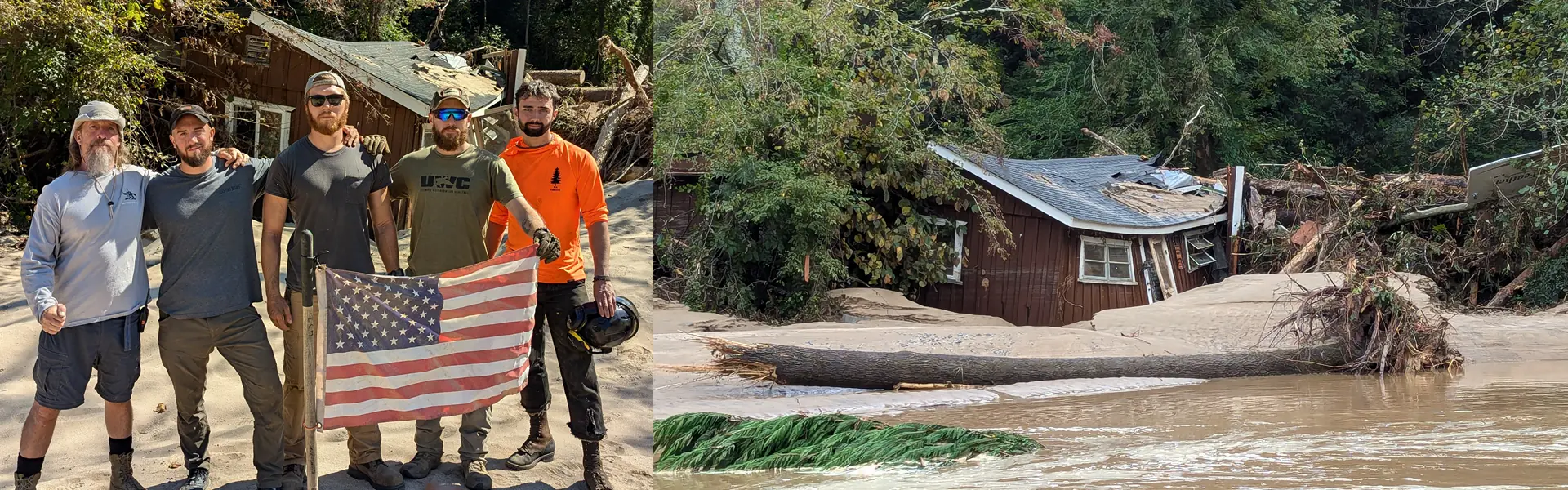
The September 27 Deluge: The Destruction in Green River Cove
Helene & the Green River didn't bargain; they restructured.
On Friday, September 27, 2024, Hurricane Helene transformed our familiar waterway into a hydraulic wrecking ball. The flood erased at least 37 homes in Green River Cove near Saluda, North Carolina, uprooting 70 years of my family history in a matter of hours.
My cabin, a structure that had stood firm in Polk County since the Truman administration, was swept from its foundation as if it were driftwood. This isn't just about property loss. This is ancestral soil—the final resting place of my grandmother, Katie, and my first cousin, JR.
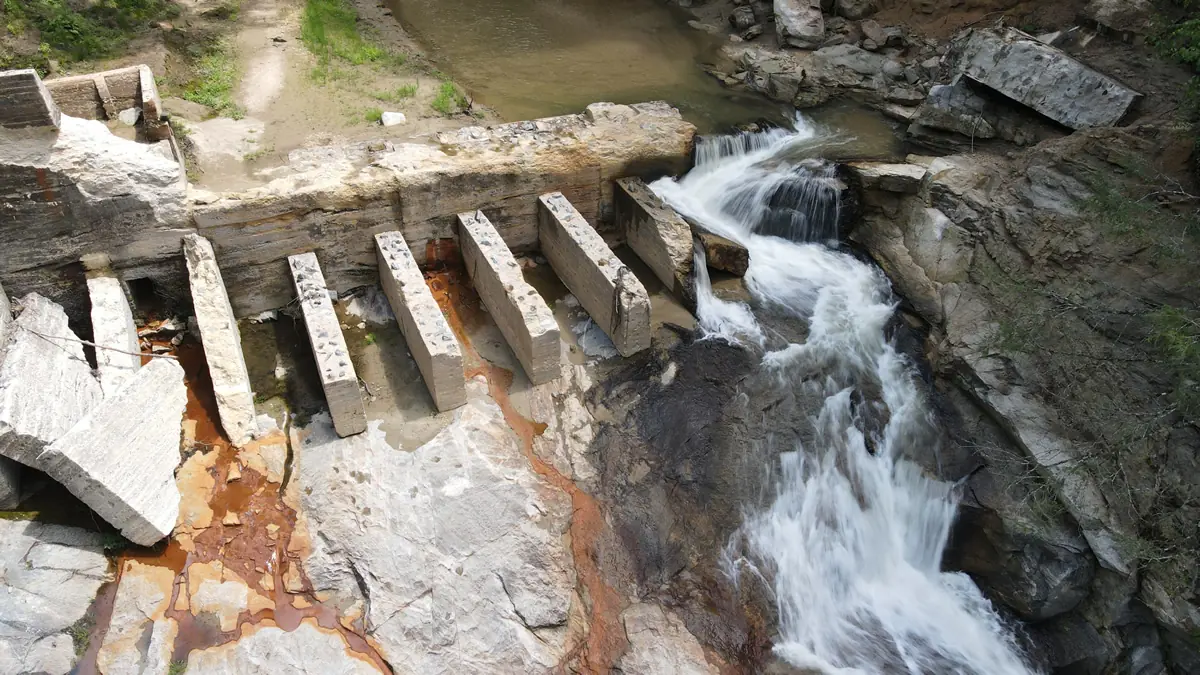
Catastrophic Infrastructure Failure
The devastation was systemic, driven by catastrophic infrastructure failure. Upstream of the Green River Narrows, the Big Hungry Dam failed. Homes were lost along Big Hungry River upstream of the dam.
Further upstream on the Green River near US-176, the Tuxedo Powerhouse and its flume were either destroyed or seriously damaged by landslides, crippling the river's infrastructure. Much of the local recreation and businesses thrived on the recreational releases.
In the Cove, we were completely trapped. Landslides and severe flooding at the switchbacks made the bridges and roads impassable. The routes out were either entirely erased or buried under deep mud, fallen timber, and the wreckage of neighboring houses.
The Forensic Record
While the national media broadcast the carnage, the reality on the ground was a hard lesson in survival logistics. CNN correspondent Gary Tuchman hiked miles into the isolated Green River Cove Gorge to document the destruction when the area was entirely inaccessible by road. His footage, along with coverage from WSOC-TV, now serves as the primary forensic record of the homesite in the immediate aftermath.
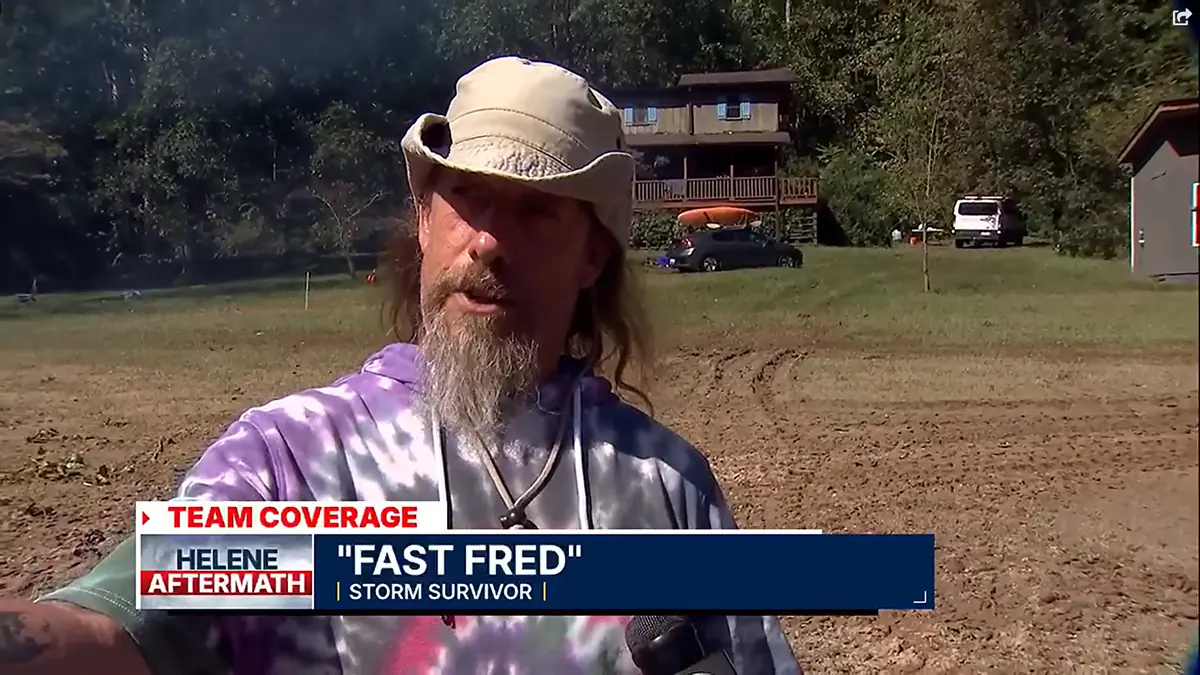
Survival Logistics
However, media visibility did not translate to rapid federal aid. In those critical early months, the big NGOs and FEMA were nowhere to be found. We survived strictly on the grit of the local Fire Department and military airdrops. When the roads were gone and the grid was dead, immediate recovery was driven by the people who lived it, not the agencies tasked with managing it.