9 Things To Do in Peru on a Budget: Southern Route Guide
Skip the overpriced all-inclusive tours. If you want to experience Southern Peru without draining your bank account, you need exact logistics, not marketing fluff. I navigated the classic route from Lima to Machu Picchu on a strict river guide's budget. This guide delivers the unfiltered breakdown of transport costs, entry fees, and reality checks for independent solo travelers.
Peru Frugal Travel Guide: 9 Stops & Exact Logistics
Visual Scouting: Stop guessing what the ground reality looks like. Hit play on the footage below to see the exact transport conditions, local infrastructure, and budget realities I documented from Lima to Machu Picchu. Verify the route here, then use the tactical breakdown below to map your exact itinerary.
This isn't a generic list of photo ops. We are executing a tactical breakdown of nine essential stops along the southern route. Whether you are hacking a $1 local collectivo to the Huacachina dunes, dodging high-pressure sales in Cusco's Plaza de Armas, or locating the cheapest transit to Aguas Calientes, these are the survival logistics you need to protect your wallet.
1. Lima: Basecamp Logistics & Barranco's Bohemian District
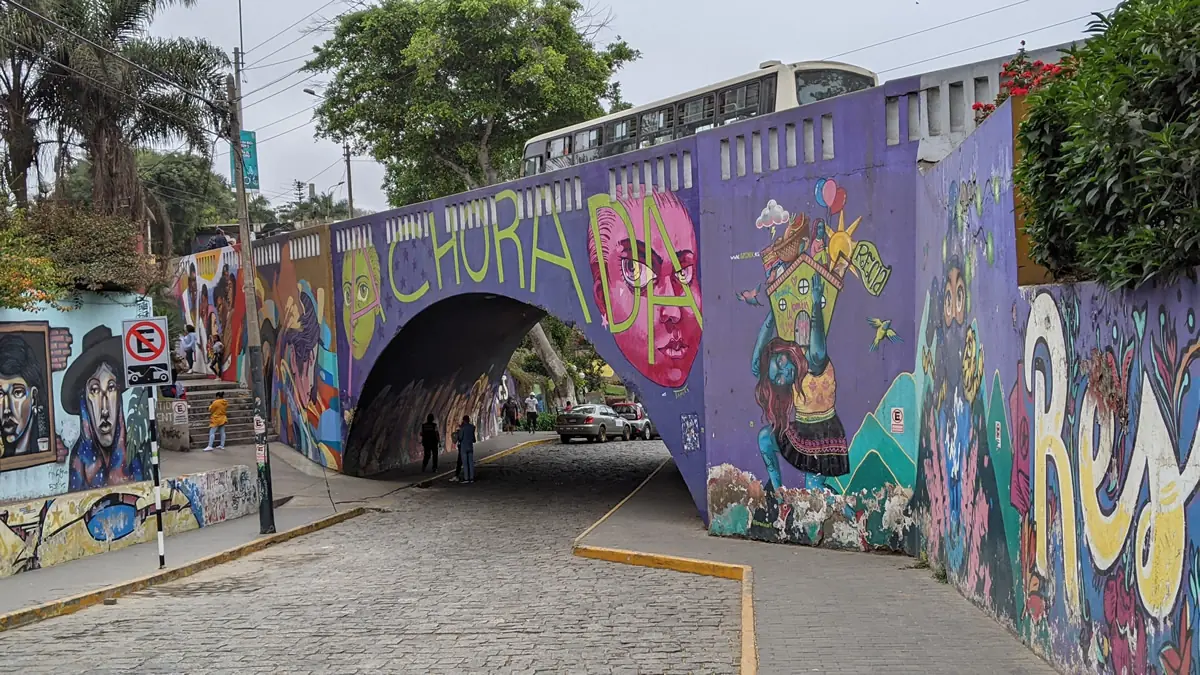
Most people fly directly into Lima's international airport to kick off their Peruvian route. Skip the generic tourist traps and head to the Barranco district. It is one of the nicer, safer sectors of Lima featuring pristine parks, street art, and an excellent local cafe and bar scene. Frugal Hack: Walk the free Bridge of Sighs (Puente de los Suspiros), which crosses above the Bajada de Baños—a stone walkway that runs directly down to the Pacific. Don't miss the local microbreweries in the area.
2. Paracas: The Poor Man's Galapagos & Ballestas Islands
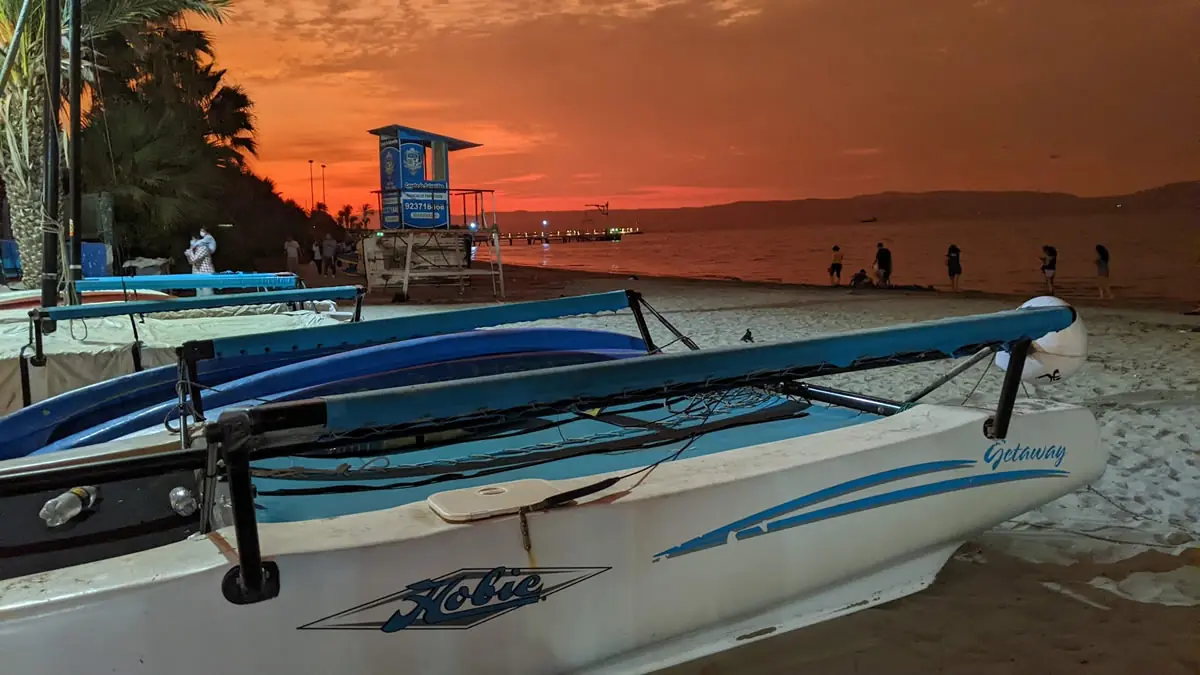
South of Lima lies the coastal town of Paracas, the launching point for the Ballestas Islands. Wildlife is the massive draw here—the National Park is packed with sea lions, penguins, and dense flocks of sea birds (guano is still actively harvested from some islands). While island access is strictly restricted to protect the wildlife, highly affordable boat tours run daily. The town itself is small, walkable, and features a lively waterfront where you can score incredibly fresh seafood for a fair price.
3. Ica & Huacachina: Desert Oasis Logistics & $1 Dunes
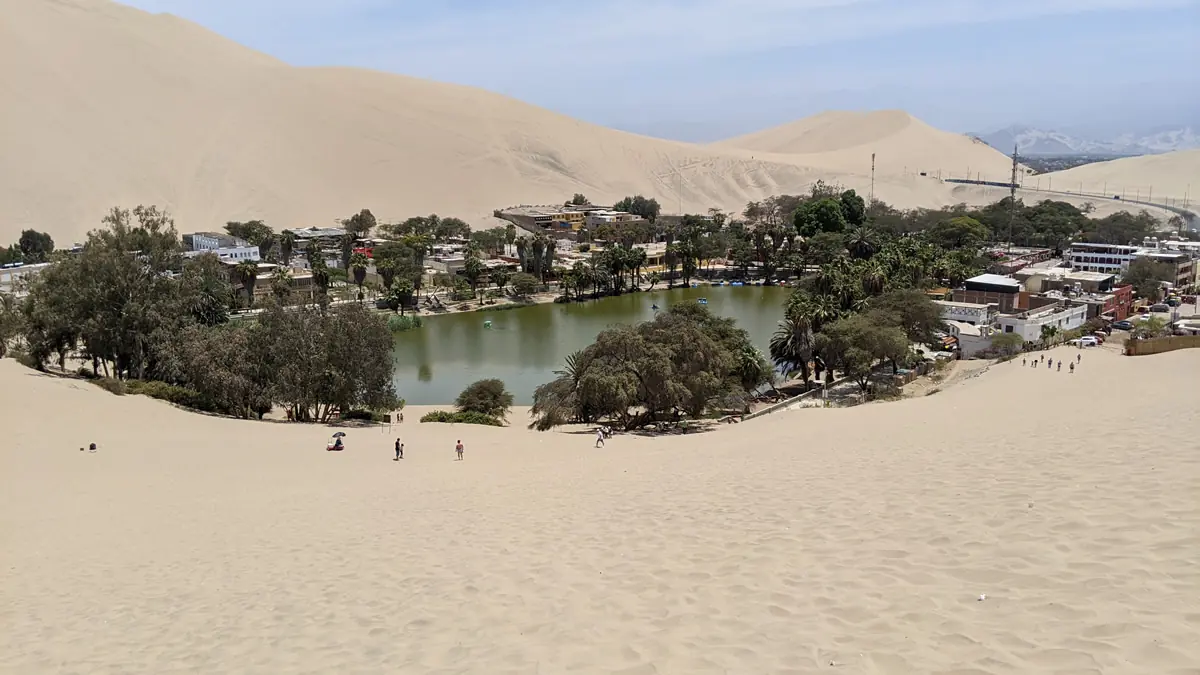
Huacachina is a stunning desert oasis surrounded by massive sand dunes just 5 km outside the city of Ica. Frugal Hack: Do not stay in Huacachina. Better deals on both food and lodging can be found in Ica (which even boasts a modern mall). Sleep in Ica, transit to the oasis, and pay the minor regional conservation fee—which is roughly $1 USD—to enter the dunes and enjoy the former private resort.
4. Nazca: Hacking the $50 Flight Over the Nazca Lines
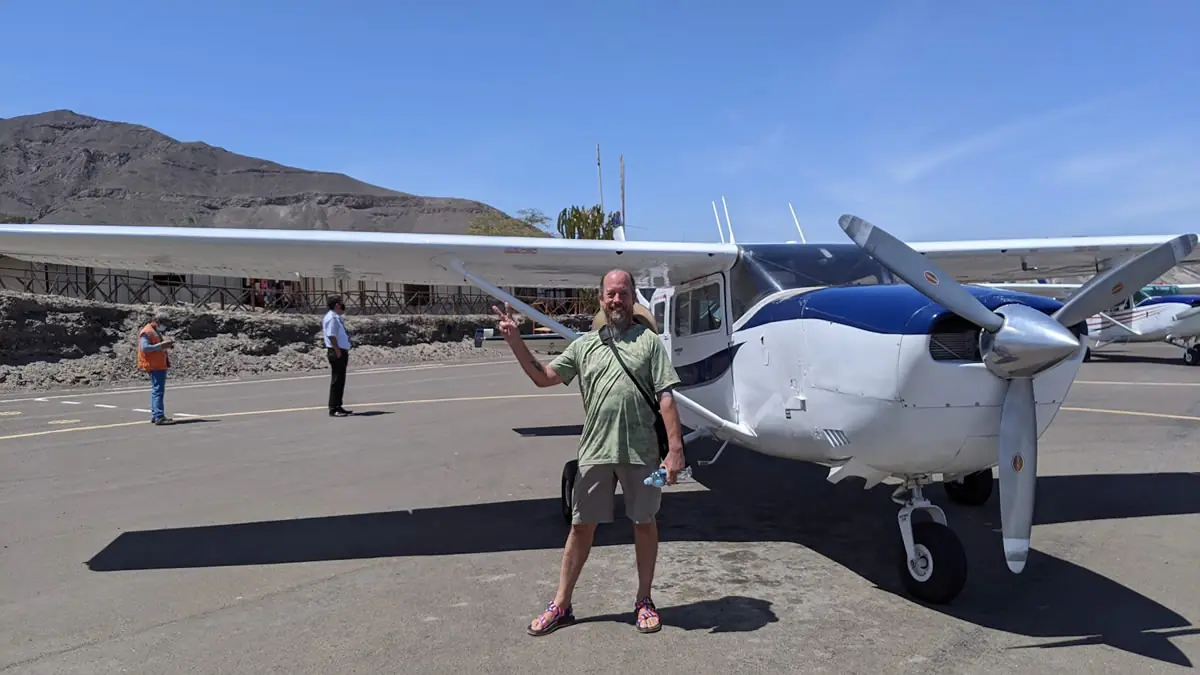
Nazca is a quiet town with zero nightlife; you can clear the entire area in a single day. You are here for one thing: The Nazca Lines. Pro Tip for the Best Deal: Do not buy your flight tickets in town where agencies upcharge the exact same trip to $100. Bypass the middlemen and go directly to the airport where you can secure a flight for exactly $50 USD. Book a morning flight for the clearest views and the least turbulent air.
5. Arequipa: The White City & Rooftop Craft Beer
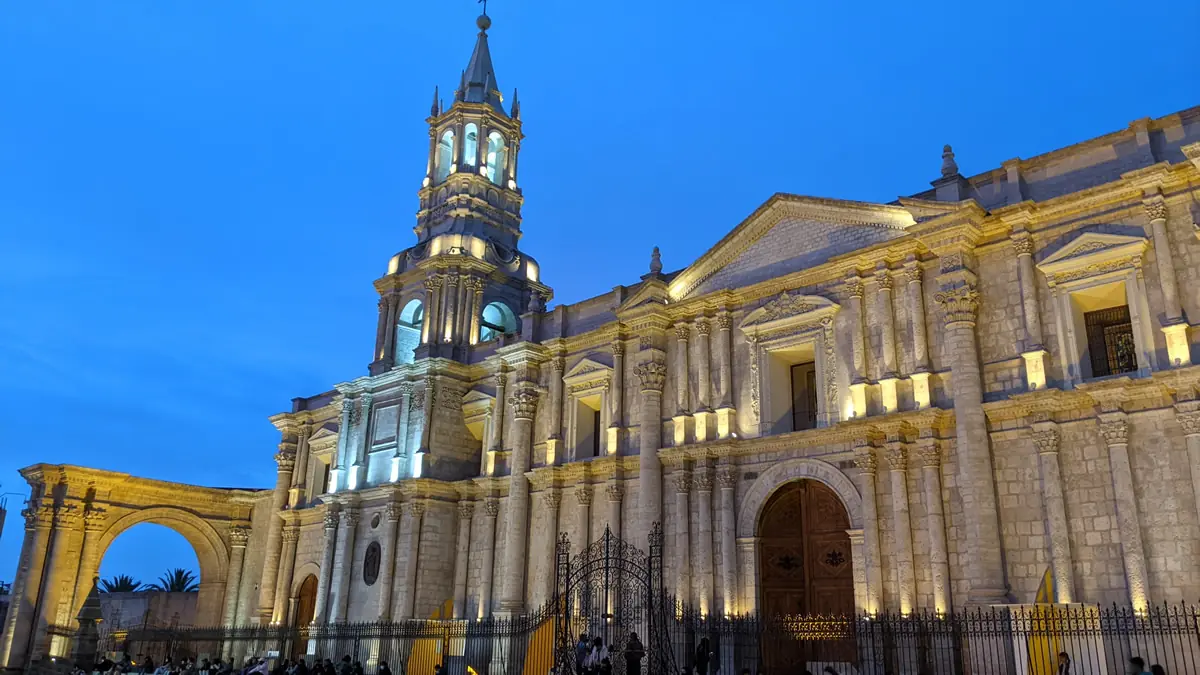
Known as the "White City," Arequipa offers a brilliant climate and serves as the perfect staging ground for canyon excursions. The city hosts a heavy expat community, which has fueled a thriving craft beer scene centered around Plaza Campo Redondo. Head to the Plaza de Armas to find excellent rooftop bars to watch the sunset, or take the rewarding walk to the Mirador de Yanahuara for expansive views of the surrounding volcanoes.
6. Puno: High Altitude Survival at Lake Titicaca
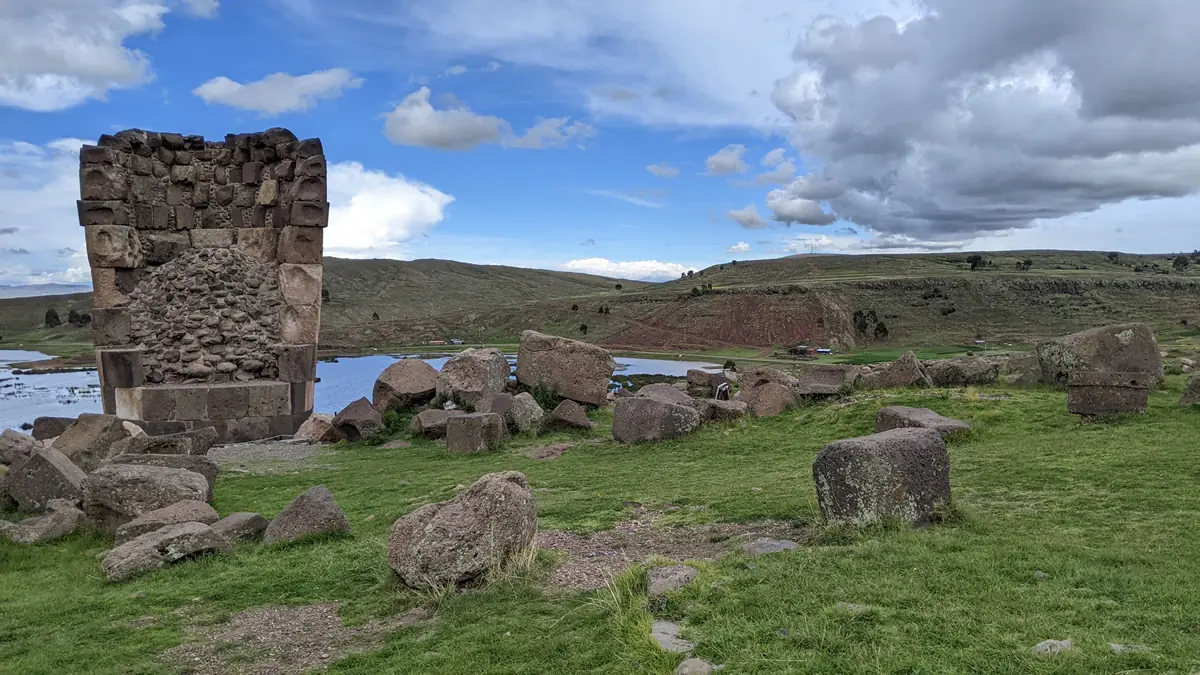
Situated on the shores of Lake Titicaca (the highest navigable lake in the world) near the Bolivian border, Puno is high and bitterly cold. The famous floating islands of Uros are fascinating but incredibly damp—the harsh conditions here result in a life expectancy of just 60 years, with rampant rheumatoid arthritis. For a warmer, more pleasant climate, push further out to Taquile Island to explore ancient terraces. Don't skip Sillustani, an archaeological site featuring massive funeral towers overlooking a volcanic basin.
7. Cusco: Dodging Hustlers in the Plaza de Armas
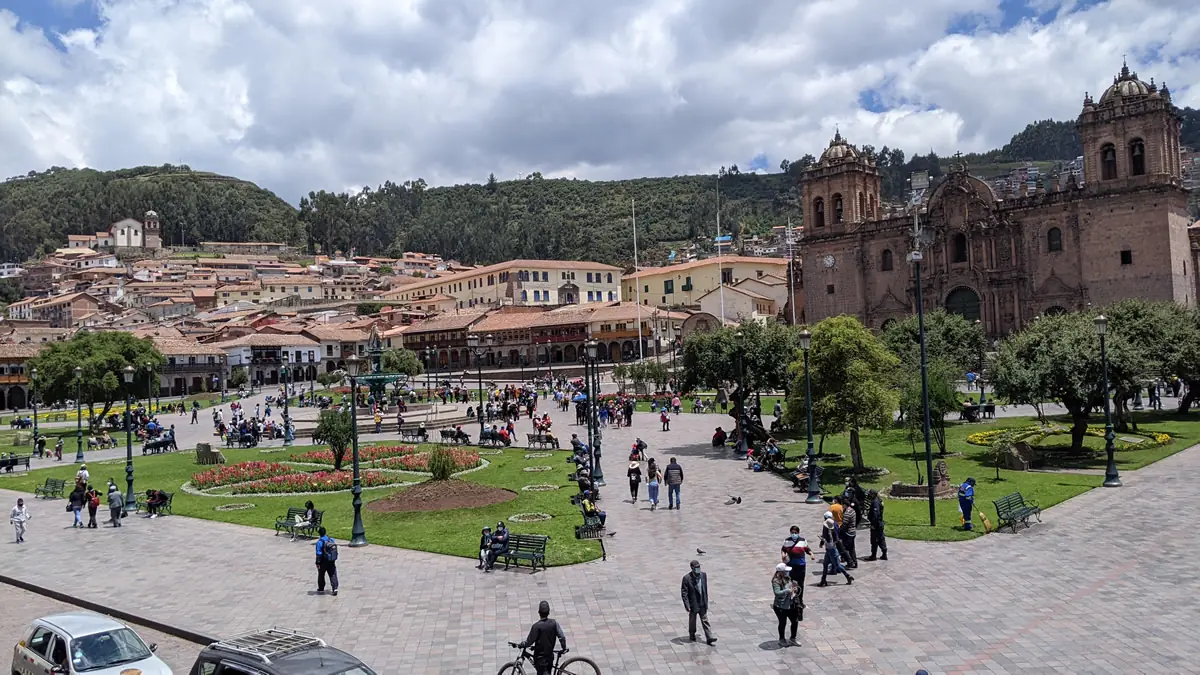
Cusco is safe and highly walkable, but be prepared for a full-court press. The Plaza de Armas is swarming with vendors, artists, and touts executing high-pressure sales tactics despite a heavy police presence. Frugal Hack: Never book a tour in the main plaza; you will find vastly better deals in the side streets or better still use public transit to reach the sites and hire local guides at the gate. Check out the nearby Museo Inka (accept the services of a local guide to actually understand what you're looking at) and track down the famous Twelve-Angled Stone.
8. Urubamba: $2 Local Buses to the Sacred Valley
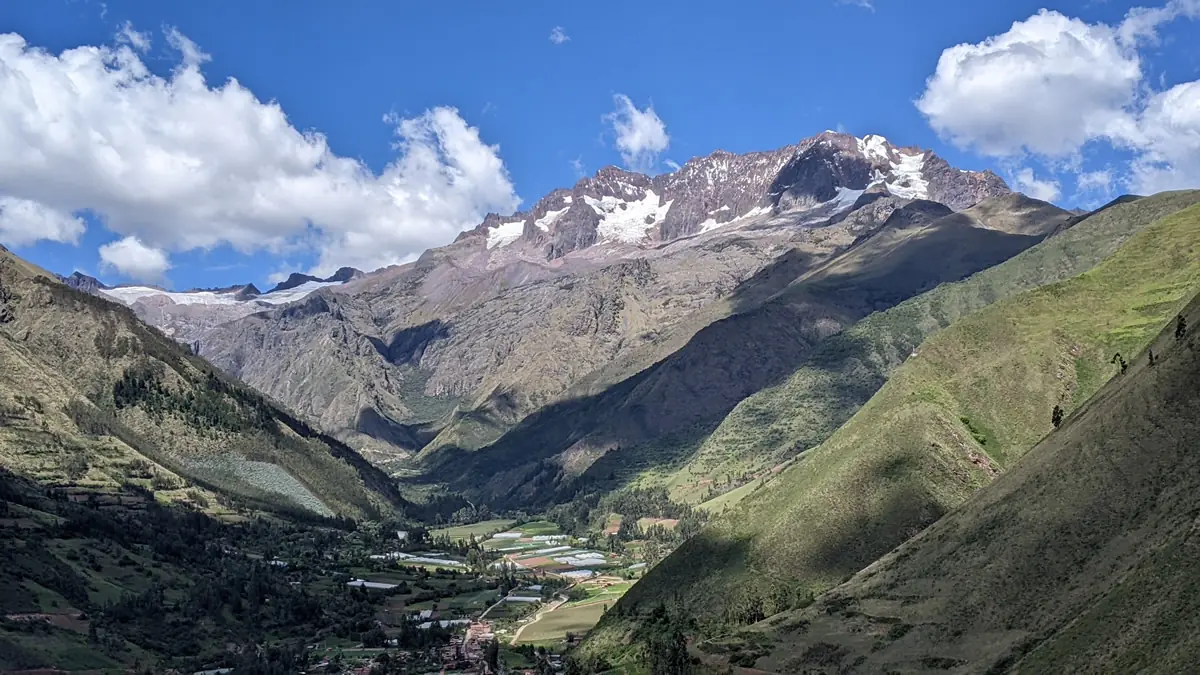
Urubamba is your quiet, tactical basecamp located deep in the Sacred Valley. From the local bus station, you can access heavy-hitting archaeological sites like Ollantaytambo and Chinchero for less than $2 USD. Skip the pre-booked tours; you can easily hire official guides directly at the gates of both locations. I found the ancient agricultural terraces of Chinchero to be even more impressive than those at Machu Picchu. Ollantaytambo, known as the oldest living Inca town, is dotted with massive stone terraces and elevated grain storage buildings.
9. Machu Picchu: Train Logistics & Wet Season Reality
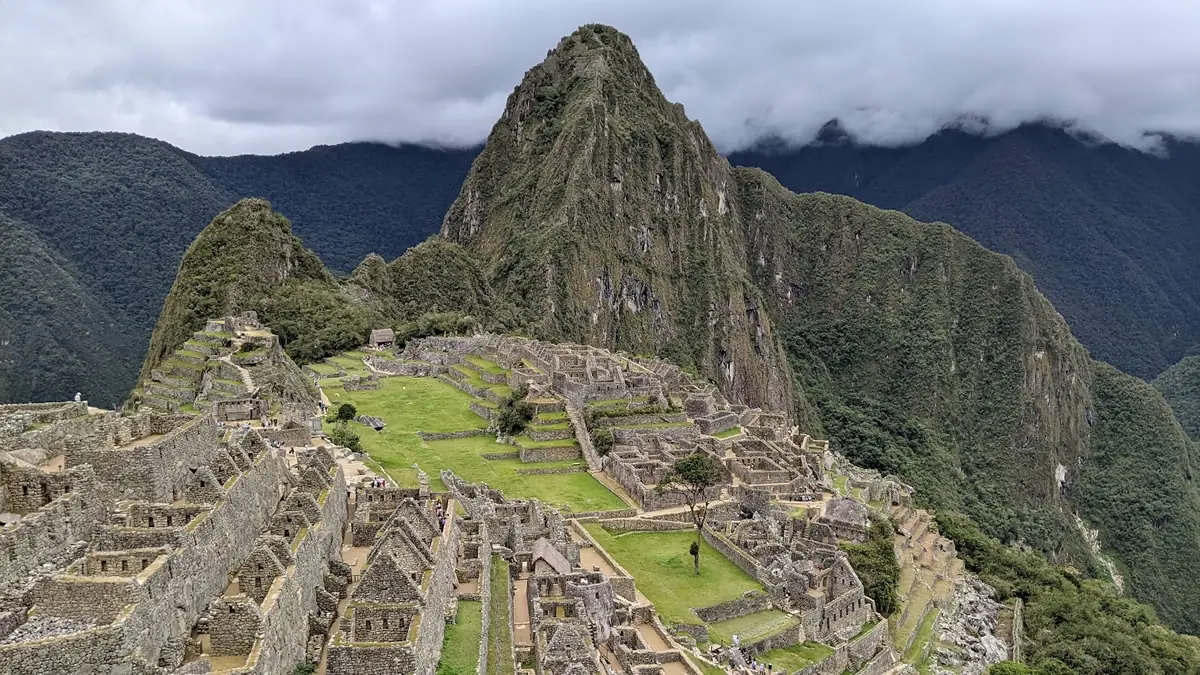
The crown jewel of the route. To reach Aguas Calientes (the staging pueblo below Machu Picchu), you have options: brutal multi-day treks or the scenic train. Transit Hack: You can catch the train directly from the San Pedro station in Cusco, or save money by taking a dirt-cheap bus to Ollantaytambo and catching the train from there. Be aware of the weather—my run happened at the start of the rainy season, and the river was absolutely raging. Hiring the right local guide here is worth the money and drastically improves the experience.
The Ground Reality: Surviving the Gringo Trail
Executing this route from Lima to Machu Picchu comes down to simple logistics. If you rely on tourist agencies to hold your hand, you will bleed cash. By utilizing the $2 local buses, eating at the neighborhood mercados, and negotiating directly with guides at the gates, you protect your budget and get a highly authentic read on the country.
Remember to respect the elevation. Pushing straight from sea level to Cusco is a rookie mistake that will wreck your trip with altitude sickness. Following this southern route allows you to step up your elevation gradually through Arequipa and Puno. Drink the local coca tea, pace your trekking, and do not rush the acclimatization process.
The infrastructure in Peru is constantly shifting, especially regarding transit schedules and rainy season washouts. If you need the latest beta on road conditions or current local collectivo prices, drop a question in the Frugal Travel Facebook group. Pack light, stay sharp, and stay off the packaged tours.