Machu Picchu Frugal Guide: Rainy Season Logistics
Forget the standard dry-season vacation; the best time to hit Machu Picchu isn't in July with the rest of the northern hemisphere, but in December when the summer rains roll in and the local rivers get high and rowdy for boating.
Traveling to Cusco and Aguas Calientes during the southern hemisphere summer means dealing with the rain, but a true frugal strategy leverages this shoulder season. You get a more authentic experience, better value, and the chance to see the Andes on your own terms.
The Reality of Inca Engineering
Let's put the ancient astronaut theories to rest. The Inca didn't need aliens to build this city in the sky; they had access to enormous masses of local laborers, craftsmen, and a sophisticated understanding of masonry.
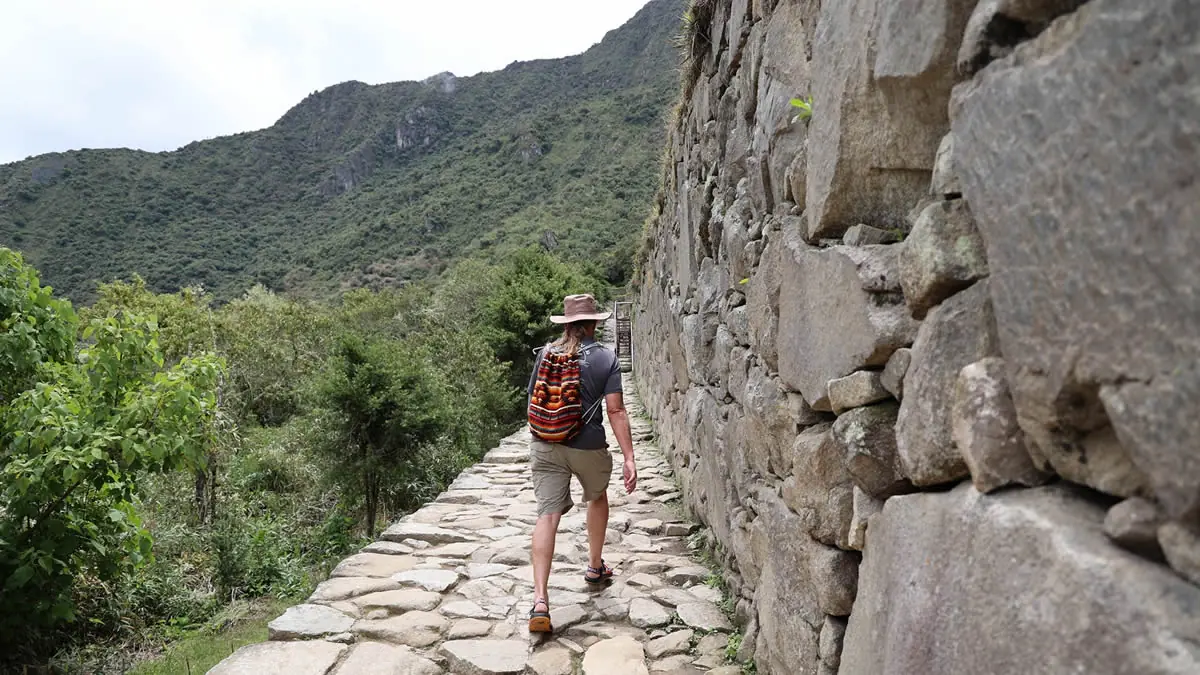
Walk through the on-site stone quarry and the evidence is right in front of you. You can see the tool marks left on the unharvested granite and the precise holes where they inserted wooden wedges. When those wedges got wet, the wood expanded and fractured the massive stone blocks. You'll even find cylindrical rolling stones in the dirt—a pretty solid counterargument to the theory that the Inca didn't use the wheel.
When you enter the important temple areas, note the convex nature of the stones and the double-angled doors. Because the site lacked gold, the Spanish conquistadors completely bypassed it. Thanks to that historical oversight, the architecture remains remarkably intact, with about 70 percent of the stonework being entirely original.
Sacred Architecture and Life in the Clouds
The site is packed with astronomical and practical engineering. The Sun Temple features a specific window that perfectly lines up with the Sun Gate, and a solstice window designed to track the sun's path and cast light onto an altar where black llamas and alpacas were likely sacrificed. Nearby, the Temple of the Three Windows acts as a massive solar calendar constructed in three steps.
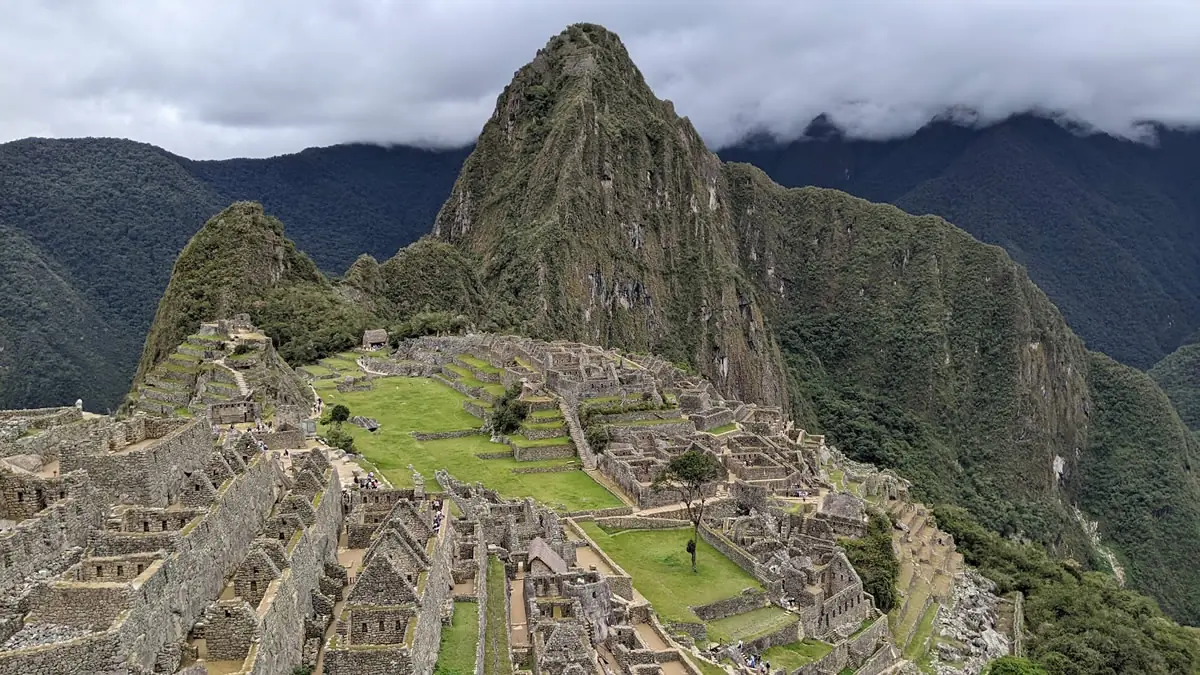
But this wasn't just a temple complex; it was a highly organized society. You can walk through the remains of the Inca College, the classrooms where they taught clergy, engineers, and the scholars who read the astronomical clocks.
The infrastructure supported everyday life. They built a 16-fountain system for drinking water, and engineered massive stone niches near the entrances specifically for ventilation—acting like natural refrigeration. At the far end of the complex sits the Sacred Rock, an imposing stone mirroring the protective mountain peak looming directly behind it. And yes, you'll still find resident alpacas and llamas wandering the terraces today.
Frugal Logistics: The Train vs. The Trek
Hiking the Inca Trail might sound economical, but my research showed it costs anywhere from $500 to $800. If you are doing the trek just to save money, it isn't a wise decision. For the independent traveler, taking the train may maximize your budget.
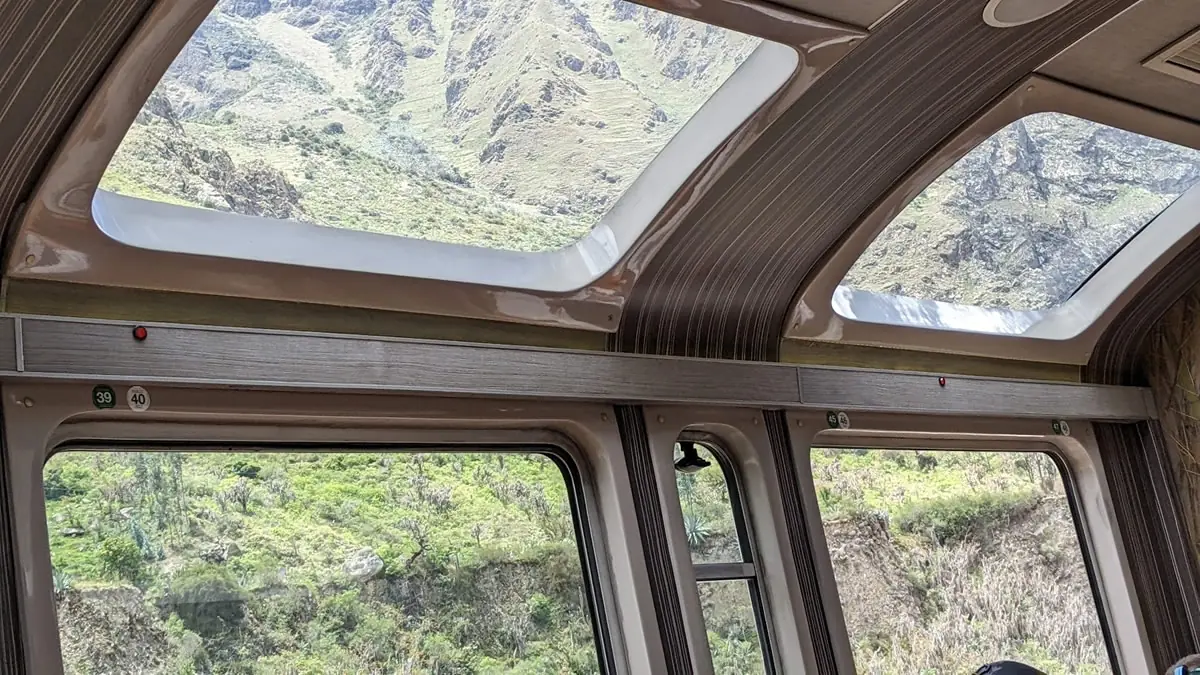
Cusco is an incredibly walkable city of 400,000 people, so you can easily skip the taxis. I walked straight from my room near the Plaza de Armas to the San Pedro station. When weighing your options between Inca Rail and Peru Rail, I opted for the Peru Rail Vistadome to enjoy the scenery along the ride.
When you hit the base town of Aguas Calientes, you have a choice for the final ascent. You can get a round-trip bus ticket to the top for less than $25. Or, if you're feeling frugal and a little crazy, you can climb 1,000 vertical meters up 15 steep switchbacks on foot.
The Hard Numbers: Budget Breakdown
- Train Transport: My Peru Rail ticket to Machu Picchu ran less than $50.
- Site Entry: A basic entrance ticket costs 152 Soles (roughly $38). If you want to climb nearby peaks, it will cost extra depending on your energy level.
- Local Guide: Always hire a guide for a site this complex. I paid my guide 150 Soles (about $37.50). Pro tip: take care of your guide, leave a nice tip, and buy them dinner or a cerveza to support the local economy.
- Basecamp Lodging: You can spend as much as you want in Aguas Calientes, but rooms start below $10. I did my research and scored a private room with a private bath for just $9.75 a day.