Before you ever step foot on a plane, the trip is made or broken in the planning phase. Here is the process.
1. Determine Your Financial "Go" Point
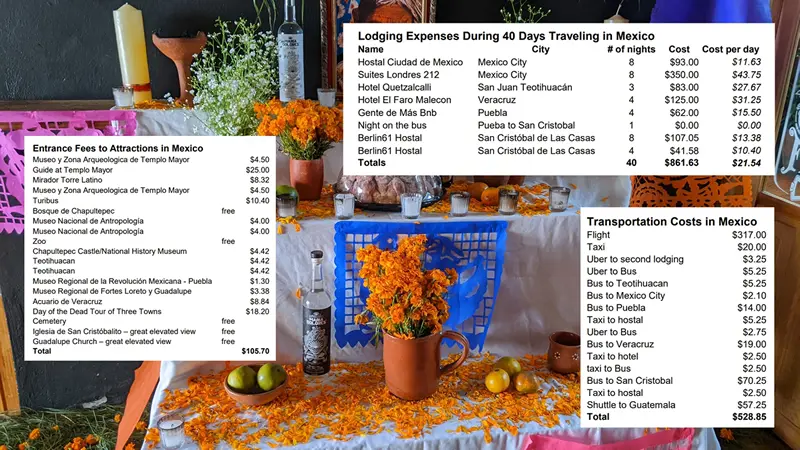
How much can you actually afford to burn? Your budget will vary based on your creature comforts, but mine is based on a Spartan existence. I generally travel for months at a time, so staying on budget isn't a luxury; it's critical for extending the adventure.
2. Timing Your Deployment
The Holiday Trap: Prices surge during holidays because most Americans have restrictive vacation leave. If you have flexibility, avoid these peak times.
The "Rafting Season" Window: My travel window is dictated by the North American rafting season. When the rivers freeze or the flows drop (late September to early May), I go south.
Weather Factors: Always check the wet vs. dry seasons for your specific destination. You don't want to haul a kayak through a monsoon if you don't have to.
3. Choosing the Destination
I let my curiosity drive the bus. My previous trip to Ecuador was motivated by a desire to paddle warmer world class whitewater in December. This trip to Mexico was different; I wanted to immerse myself in the food, the history, and the culture.
4. The Paperwork (Visas & Red Tape)
Research entry requirements immediately. Does the country require a visa? Are there lingering pandemic restrictions?
Cultural Intelligence: Beyond the paperwork, research the local customs. You are a guest. Knowing what offends the locals is just as important as having your passport stamped.
5. Strategic Lodging Booking
The "Three-Night Rule": I rarely book my whole trip in advance. I book the first three nights in a new city. This gives me a landing pad, but allows me the freedom to walk the streets, talk to locals, and find better, cheaper lodging that isn't listed online.
Safety Check: I use Google Maps and Booking.com to scout neighborhoods, but I always cross-reference with safety reviews. I prefer to stay near the "action" to save on taxi fares, but not so close that I'm in a danger zone.
6. Booking Flights: Direct is Best
Midweek Magic: Fly on Tuesdays or Wednesdays if you can.
Avoid Aggregators: I learned this the hard way in early 2020 while stuck in Peru as borders were slamming shut. Dealing with third-party flight aggregators during a crisis is a nightmare. Always book directly with the airline. If things go sideways, you want to talk to the carrier, not a middleman.
7. Travel Insurance
This ranges from a simple box-tick during flight booking to a full policy from providers like World Nomads.
The Math: In Latin America, out-of-pocket healthcare is often cheaper than an insurance deductible in the US. However, some countries require proof of insurance or upfront payment before treatment. Know the rules before you go.
8. The Itinerary: Plan for "Slack"
Don't over-plan. If you try to do something every day, you will burn out. I travel slow. I make a "hit list" of places I want to see (checking their open hours), but I leave massive gaps in my schedule for rest, altitude adjustment, and unexpected adventures suggested by locals.
Tech Tip: Download offline maps (Google Maps or Maps.Me) before you leave Wi-Fi. It's a lifesaver.
9. Document Security (Crucial)
The Expiration Check: Ensure your passport has at least six months of validity remaining.
The "Lamination Hack": I make color photocopies of my passport ID page and laminate them. I use these laminated copies for everything—hotel check-ins, bus tickets, etc. I never hand my actual passport to a vendor if I can help it. It stays locked in my room. Most travelers who lose passports lose them to pickpockets while carrying them unnecessarily.
Vaccines: Carry your Yellow Card (International Certificate of Vaccination) and COVID records. In Peru (2021-22), inter-regional travel was impossible without them.
10. Packing: The "Carry-On Only" Discipline
If you check a bag, you're tethered. I pack light—enough clothes for 3-4 days. I do laundry in the sink or find a lavanderia. (See my video on packing strategy for the full loadout).
11. Money Management
Bank Comms: Call your bank two weeks prior to ensure your cards work abroad.
The Stash: Carry enough USD cash to buy a return flight, hidden in a travel belt or a sew-in pocket. Large bills conceal easier.
12. Comms & Connectivity
Unlock Your Phone: Do this in the US. A locked phone is a brick.
Local SIMs: Don't pay Verizon $10/day. You can get a month of high-speed local data in Mexico for the price of one day of US roaming.
Apps: Download Uber (or the local equivalent) and city-specific bike-share apps (common in CDMX and Lima).