Crisis Travel Strategies: Surviving Ecuador on a Budget
The year 2020 threw a heavy wrench into the gears of global exploration, locking down borders and grounding flights. But for the fiercely independent, chaos always breeds opportunity.
Traveling during a global crisis isn't for the faint of heart. Yet, the empty airports and slashed airfares were a tactical advantage I couldn't ignore. While this expedition took place during the height of the COVID-19 pandemic, the logistical beta gathered here is your blueprint for any future global disruption. When the masses panic and the tourist infrastructure collapses, stepping off the plane in Ecuador requires a different set of survival skills. If the standard $2.00 airport bus routes shut down, you need an immediate backup plan to maintain your mobility.
Here is the unfiltered reality of navigating travel restrictions and transportation markups while keeping your budget strictly in the green. You will learn why avoiding modern supermarkets and executing a highly efficient mercado grocery haul is your best defense against supply chain inflation, and how utilizing 35-cent regional transit loops keeps you moving under the radar when the main highways gridlock.
The Bureaucracy of the Border
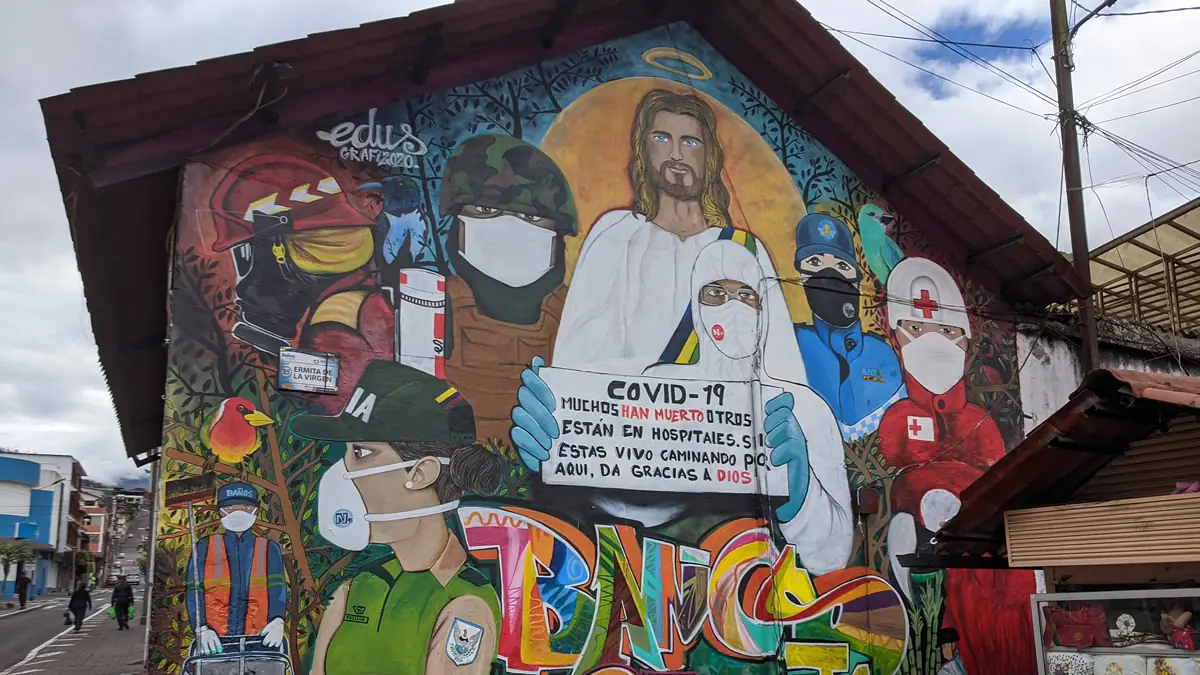
Entry into a country during a global panic usually requires jumping through evolving bureaucratic hoops. In 2020, Ecuador demanded negative PCR tests and a detailed form outlining a 21-day itinerary just to get past the gatekeepers. If you are serious about independent travel, you must adapt to the paperwork. I already carry a yellow fever card in my passport from years of Latin American exploration; adding another piece of medical bureaucracy to the stack is just the price of admission. Stay fluid, and always check the embassy updates before you fly.
The Otavalo Audible: Bypassing Quito
When you land at Mariscal Sucre International Airport, your first instinct might be to head straight into the sprawling belly of Quito. Suppress that instinct. During a crisis, big cities are choke points. I skipped the capital entirely and made a beeline for Otavalo.
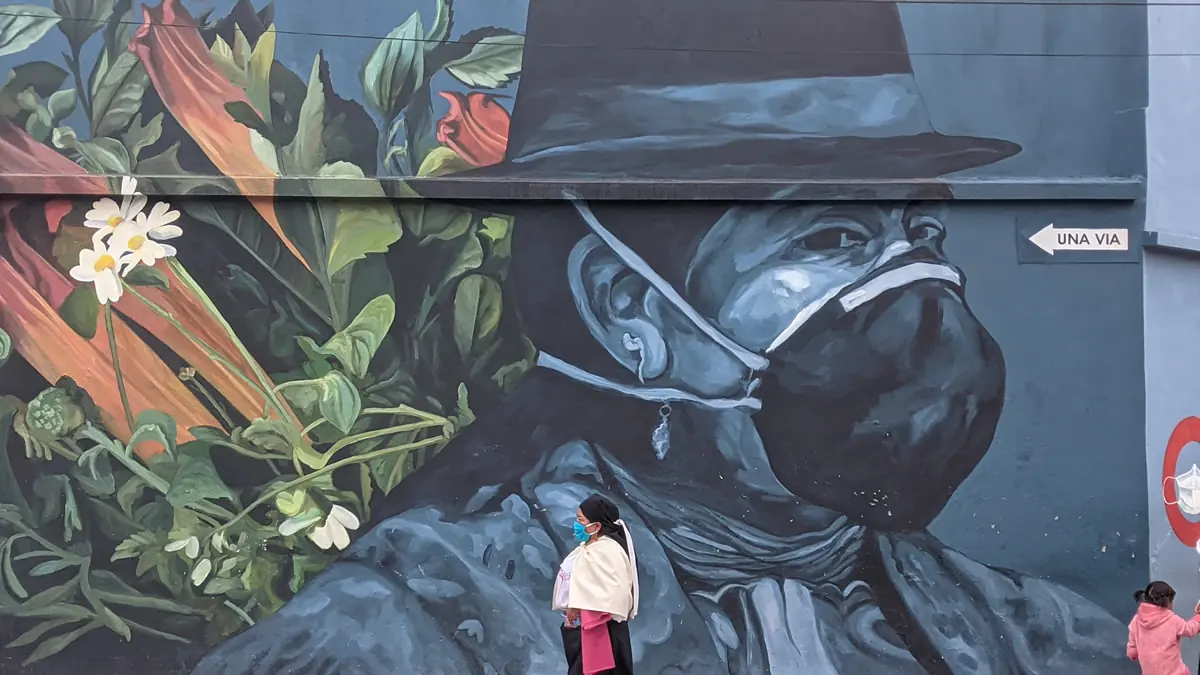
This is a masterclass in frugal travel strategy. Bypassing the crowded city center drastically reduced my exposure to the virus and completely sidestepped Quito's notorious, exhaust-choked air pollution. Up in Otavalo, the air is crisp, the altitude demands respect, and your daily overhead drops dramatically. I holed up in the Flying Donkey Hostal to acclimatize, dodging the big-city premium while adjusting my lungs to the thin Andean air.
Navigating Taxis and Volatile Infrastructure
I usually rely on local buses, but a systemic crisis changes the calculus. To mitigate health risks and bypass unpredictable public transit schedules, I opted for taxis. It's a safer, faster bet, but it requires a sharp eye on the meter.

My ride from the airport directly to Otavalo ran a reasonable $45. However, the subsequent haul from Otavalo down to the whitewater mecca of Baños de Agua Santa cost me $130. Historically, that run should sit comfortably between $90 and $110. The transportation market was inflated due to the disruption, and I absorbed a slight "gringo tax" for the convenience. You win some, you lose some, but maintaining your mobility during a shutdown is worth the premium.
Sustainable Budgeting: Markets Over Menus
You can hemorrhage cash anywhere in the world if you aren't paying attention. In Ecuador, the secret to maintaining a guide-level budget—especially when the economy is reeling—lies in the dirt and noise of the local markets.

If you pull up a plastic chair at a local joint, meals remain absurdly cheap. You can grab a hearty breakfast or lunch for $2.50—usually a thick soup and fresh juice—and a robust supper rarely breaks the $6 mark. But the real savings come from buying fresh produce at the mercado. Instead of bleeding money on short-term hostel stays, I prefer renting an apartment. It slashes your daily overhead, gives you a private kitchen to cook those market finds, and provides the quiet solitude every seasoned traveler occasionally craves.