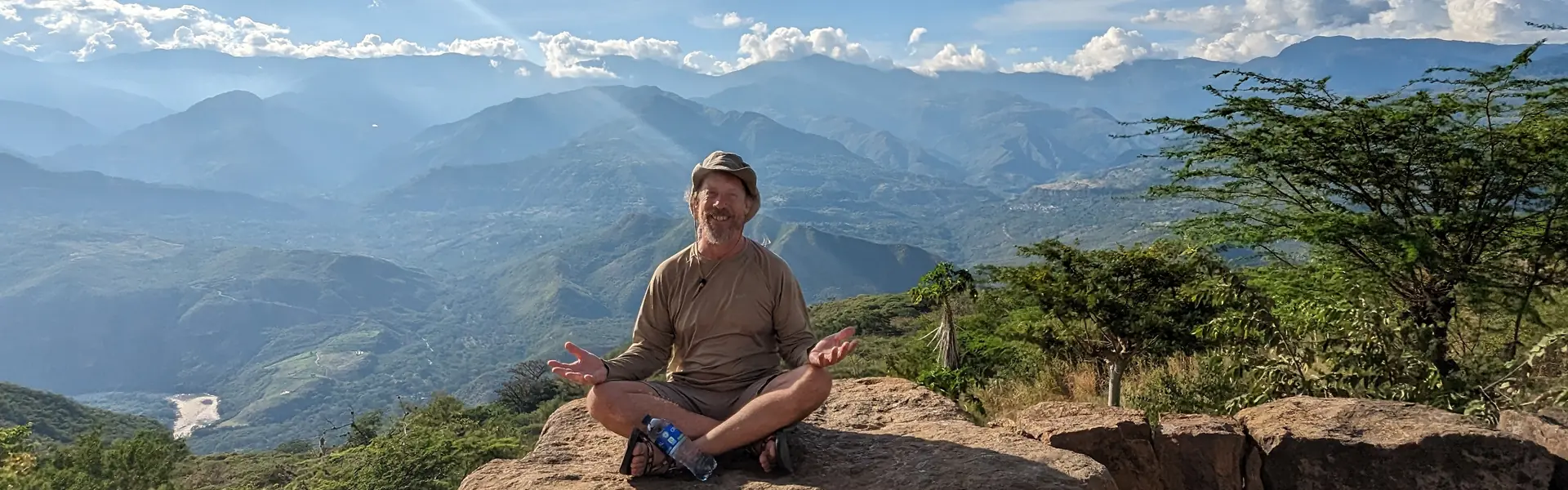
Baños to Quito for Under $6: The Frugal Transit Guide
If you're handing over 80 to $120 bucks for a private driver or taxi from Baños to Quito, you are hemorrhaging cash and cheating yourself out of a real adventure. There is a far better way. Welcome to the Frugal Strategy.
In the world of independent travel, your greatest weapon is local knowledge. It's what separates the savvy drifters from the tourists trapped in the "gringo tax" bubble. Today, we are tearing up the standard backpacker playbook. We are getting from the jungle-fringed waterfalls of Baños de Agua Santa straight to the colonial heart of Quito for exactly $5.45. Yes, you read that right. Five dollars and forty-five cents.
Why does saving a few bucks matter? Because this isn't about being cheap; it's about strategic resource allocation. When you're trying to fund endless summers in Latin America, every dollar diverted from a bloated hotel shuttle service (private driver they contract) is a dollar invested in another day on the road, another plate of empanadas, or a cold craft beer in a historic plaza. Furthermore, the moment you rely on private drivers to ferry you from point A to point B, you insulate yourself from the country you came to experience. You miss the pulse of the local transit hub and the sheer satisfaction of navigating a foreign grid on your own terms.
Navigating these local grids on your own terms is impossible if you are flying blind. Before you attempt any interprovincial bus routes, make sure your hardware is connected to the local network. Do not rely on expensive US roaming plans; dial in your comms with my Ecuador SIM Card Guide so you can track your route and the Metro stations in real-time.
This exact same frugal philosophy applies the moment you touch down in the country. Just like you shouldn't pay $80+ for a private out of Baños, you shouldn't pay premium taxi fares from the tarmac. If you haven't mastered your arrival logistics yet, read the Quito Airport to City Center $2.00 Public Bus Guide to ensure you start your trip on a river-guide budget.
Let's break down the exact route, step-by-step.
Traveling from Baños: Parque Palomino Flores
Before we hit the asphalt, let's set the scene. Baños de Agua Santa sits in a lush, steep-walled valley, practically vibrating with geothermal energy and the roar of the Pastaza River. It is the gateway to the Amazon and the undisputed adventure capital of Ecuador. But eventually, the whitewater dries up, your boots are sufficiently caked in jungle mud, and it's time to head to the capital.
Our journey begins at Parque Palomino Flores.
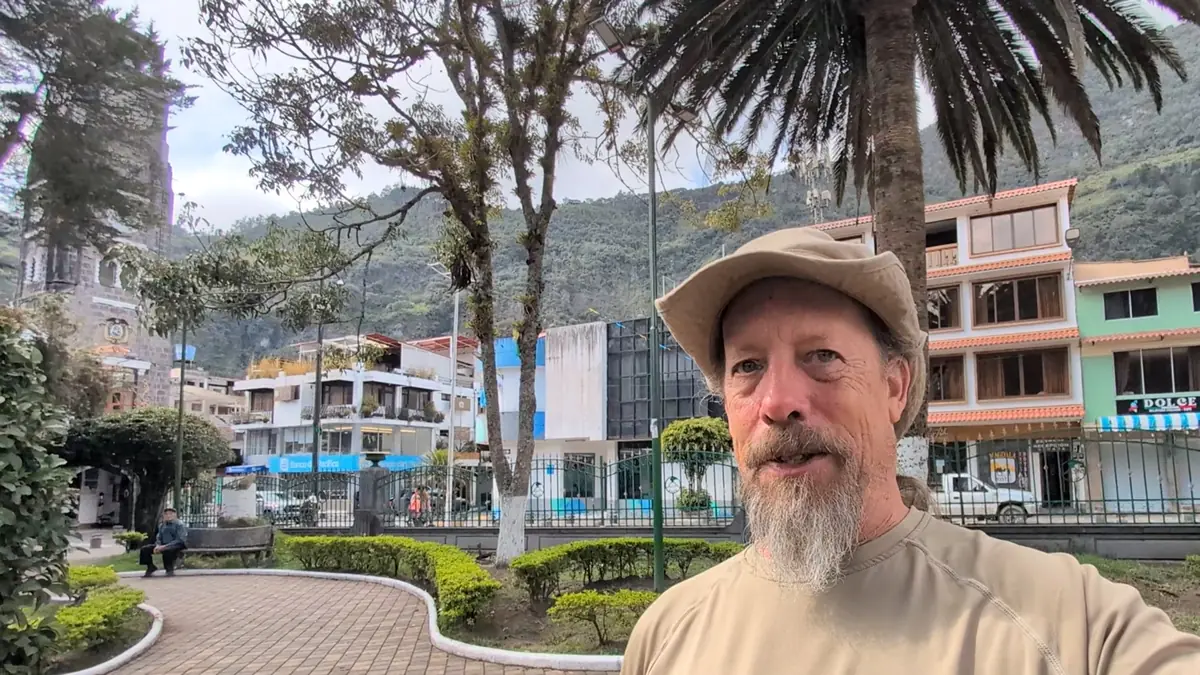
This is the central park of Baños—a lush, meticulously maintained square framed by palm trees, a gauntlet of taprooms and hotels, and the looming shadows of the Andes. Right about here is where most tourists default to the path of least resistance. They book a private van from their hostel lobby and pay a premium for the illusion of convenience. Not us. We shoulder our gear and walk to the bus station. We take the locals route.
The 4-Hour Andean Highway: The $5 Interprovincial Bus
Ecuador's interprovincial bus network is a heavy-duty, well-oiled machine. It looks chaotic to the untrained eye, but it is perfectly logical once you understand the rhythm. You stow your pack in the belly of the beast, get your luggage tags, and secure your seat. You don't need to buy a ticket first at the Baños terminal; the attendant will collect fares early in the trip.
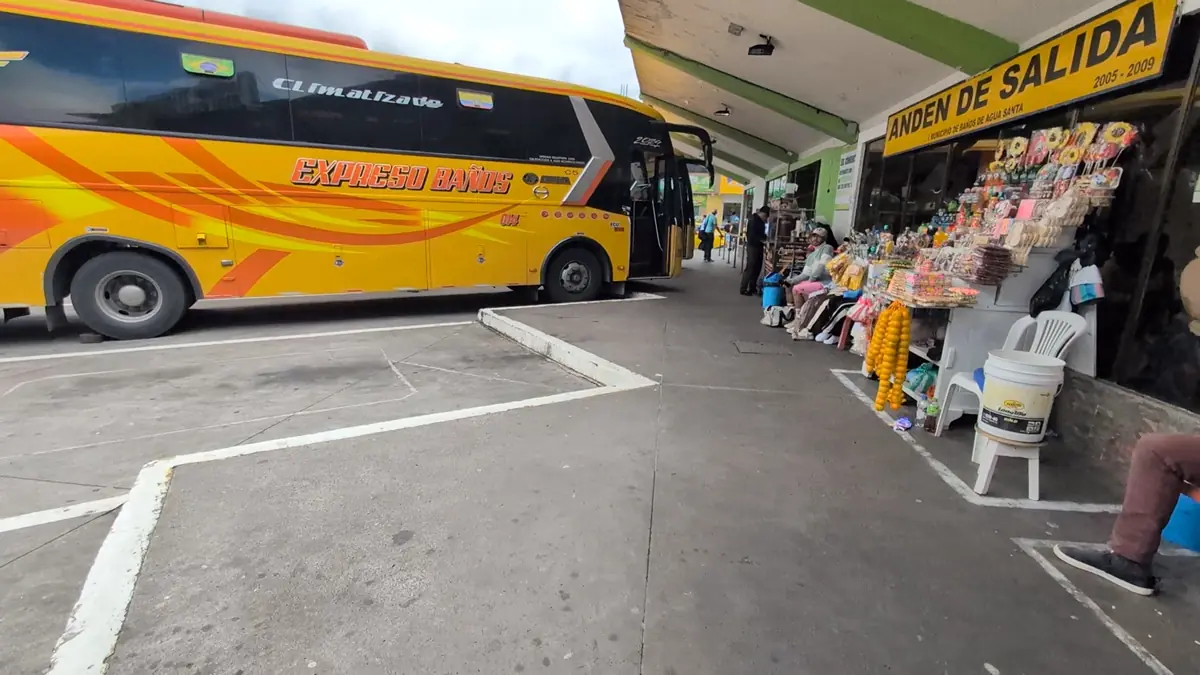
For the cost of a mediocre latte back in the States, you buy a four-hour pass through the Avenue of the Volcanoes. This isn't a luxury liner, but it is comfortable, safe, and gets the job done with ruthless efficiency. The four-hour journey from Baños to Quito isn't just a commute; it is a front-row cinematic experience.
You wind through the Andean highlands, watching the dense green canopy of the cloud forest give way to the stark, sweeping paramo. You will see deep gorges and indigenous farmers working impossibly steep terraced fields. No private driver is going to give you a better view than the panoramic window of an Ecuadorian interprovincial bus.
Touching Down at Terminal Terrestre Quitumbe
The bus drops you off at Terminal Terrestre Quitumbe. First things first: retrieve your pack from the undercarriage of the bus. Once you have all your gear in hand, head inside the terminal.
After a four-hour ride, your first priority is finding the facilities (el baño). Take a minute to get sorted, then begin your walk through the building.
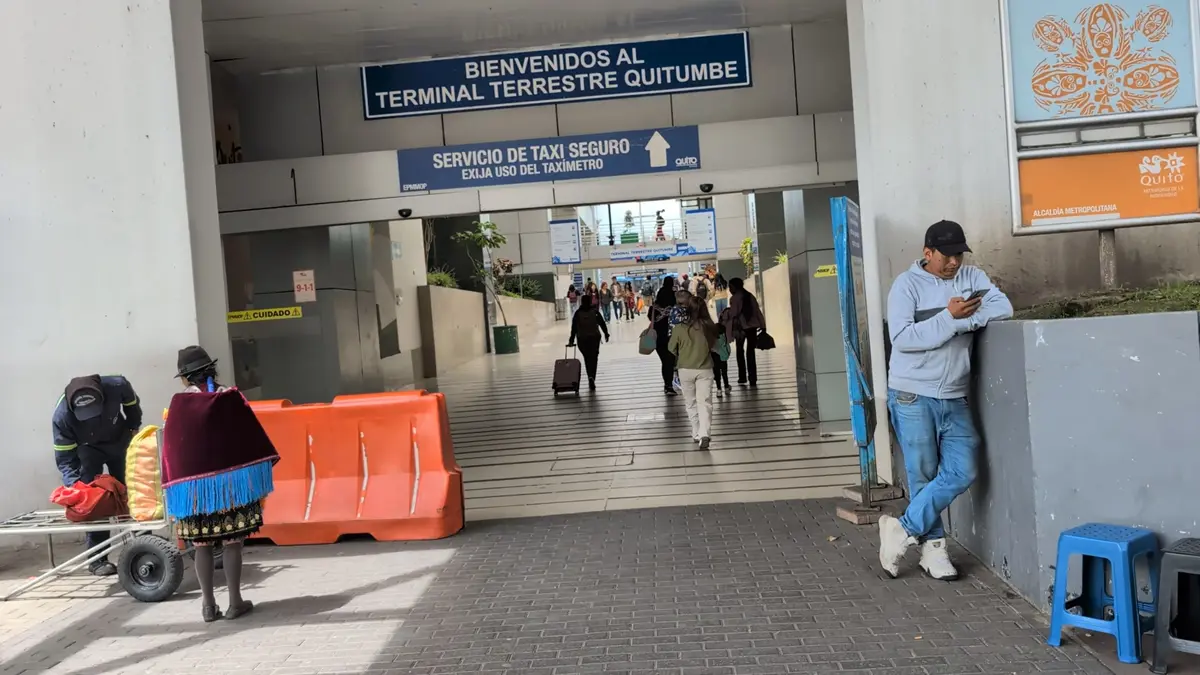
You will see overhead signs pointing to the exit and taxis on your left. Ignore the taxi drivers entirely; taking a cab from here to Old Town is an expensive mistake. Keep walking in that exact direction, as that exit path leads straight to the Metro. Once you walk through the main doors, the Metro entrance is right in front of you. Just find the stairwell or elevator and head down.
Navigating the Quito Metro Kiosks
This is where the magic happens and where the real savings kick in. The newly minted Quito Metro is an absolute game-changer for moving through the capital. The entrance is a sleek glass-and-steel setup located right inside the Quitumbe footprint. Head down the stairs or take the elevator, and make a beeline for the automated red ticket kiosks.
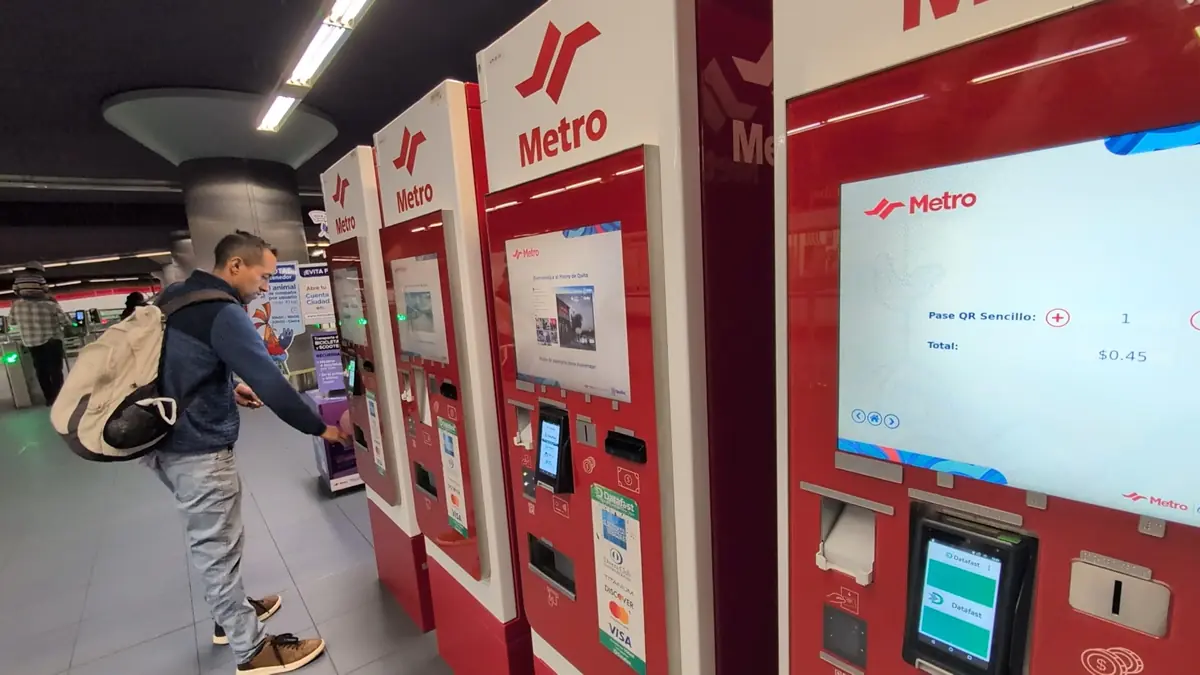
A single ride costs a flat $0.45. If you are a senior citizen or an adolescent, you get a subsidized rate of just $0.22. Now, pay attention, because here is a dispatch from the trenches: these machines can be finicky. In my experience, they might spit your quarters right back at you on the first try.
If the machine rejects your coin, stay cool. Try another machine. Follow the prompts on the digital screen carefully. One crucial step that trips people up: you must press the "continue" arrow in the bottom left corner of the touchscreen to finalize your transaction. Once you do, the machine prints a paper receipt with a QR code. Do not lose that slip. That QR code is your golden ticket. Scan it face-down on the glass reader at the turnstile, wait for the green light, and walk through.
The Subway Under the Andes
Once you are on the platform, look for the northbound train heading toward "El Labrador."
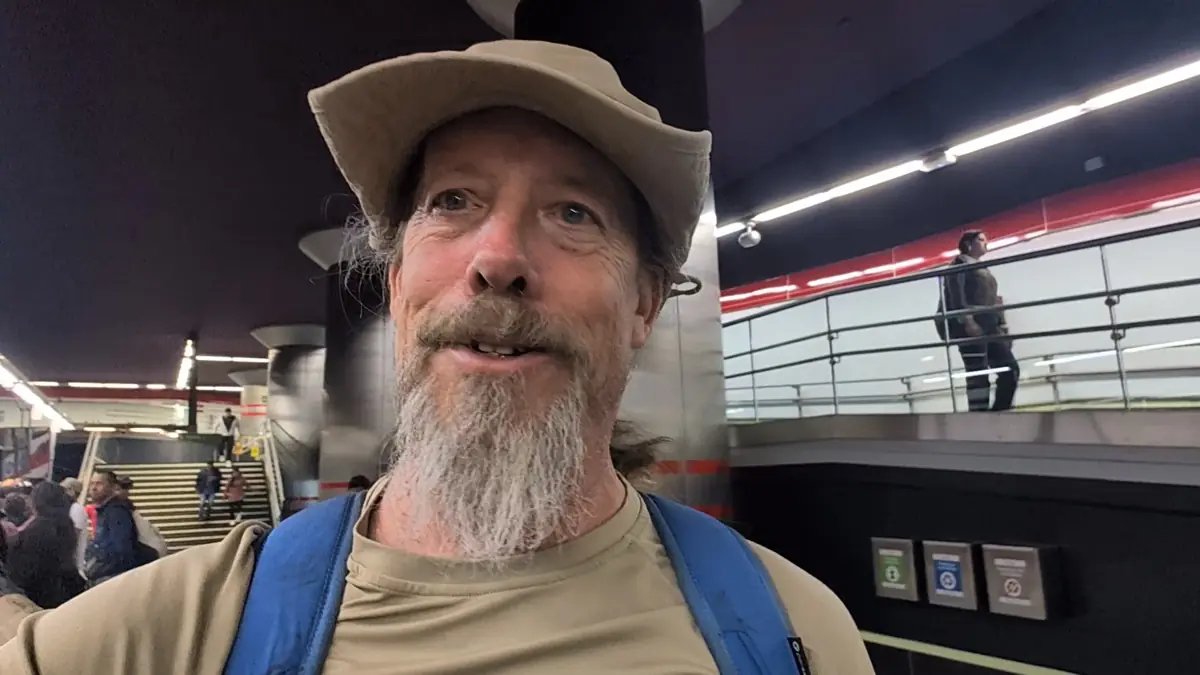
You are stepping into one of the most modern and pristine transit systems in Latin America. The contrast is jarring. You just spent four hours on a grinding mountain bus, and now you are gliding through the subterranean belly of Quito in a whisper-quiet, brightly lit train carriage.
The Metro is hyper-efficient. Trains arrive every five to eight minutes. The carriages feature digital monitors displaying the upcoming stops, accompanied by clear audio alerts in Spanish. You do not need to glue your face to Google Maps to figure out where you are. Just watch the screens and listen for your exit.
Surfacing at Plaza de San Francisco
The climax of this transit strategy is the exit. You ride the Metro straight to the San Francisco station. When you climb the steps and emerge from the underground, you aren't just in Quito—you are standing in the very center of Old Town.
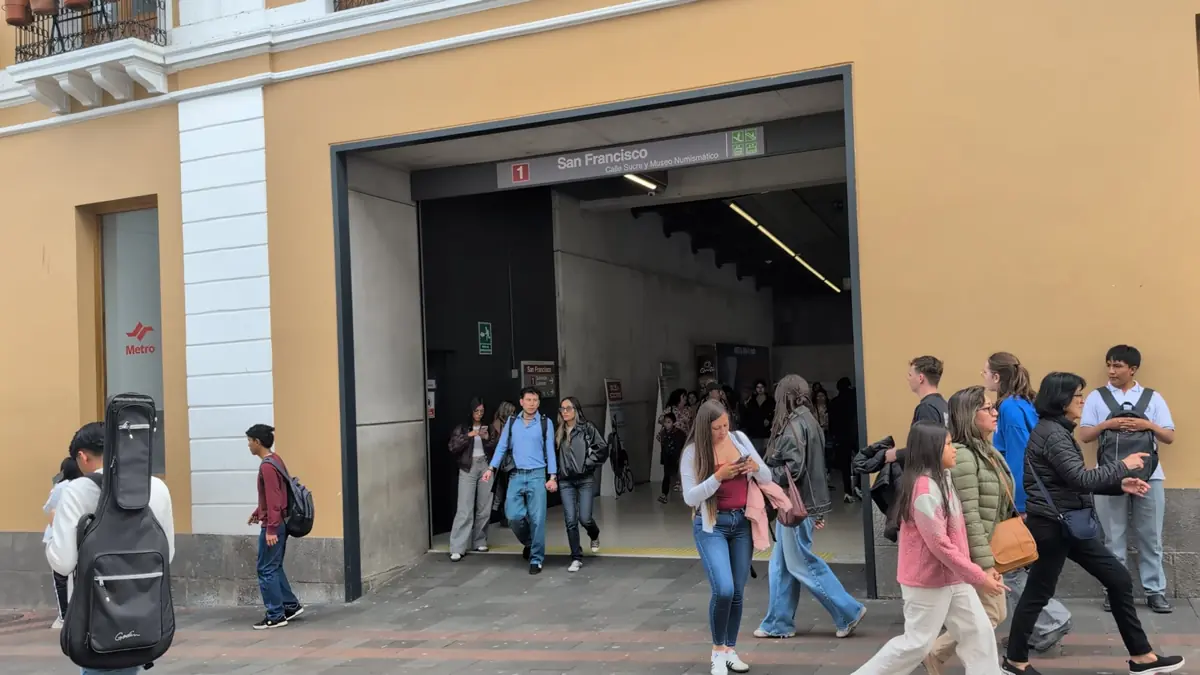
Plaza de San Francisco unfolds right in front of you. It is a massive, sprawling cobblestone square dominated by a breathtaking 16th-century Catholic complex. The Andes loom in the background, framing the white-washed colonial architecture.
Think about what you just accomplished. You bypassed the notorious, bumper-to-bumper Quito surface traffic. You skipped the expensive, hour-long taxi ride from the southern Quitumbe terminal. You navigated local infrastructure like a veteran expat, and you landed directly in a UNESCO World Heritage site for pennies.
From here, the city is yours. I threw my pack over my shoulder, walked a couple of blocks past the square, and met up with my tribe at a local microbrewery. Frugal travel doesn't mean you can't enjoy a good craft beer and a plate of hot food. It means you actually have the budget to buy the next round.
Key Takeaways: The Frugal Transit Strategy
If you want to execute this route smoothly, keep these hard-and-fast rules in mind:
- Ditch the Shuttle Scams: Ignore the private transport hawkers at hotels in Baños. Walk to the main terminal and book an interprovincial bus to Quito's Terminal Terrestre Quitumbe.
- Cost Breakdown: $5.00 for the bus + $0.45 for the Metro = $5.45 Total.
- Carry Small Change: The Metro kiosks take coins, but they can be stubborn. Bring crisp $1 bills or a handful of 5, 10, and 25-cent pieces.
- Follow the Prompts: When buying your Metro ticket, read the screen. Press the bottom-left arrow to complete the transaction and generate your QR code.
- Keep Your Ticket: You need the printed QR code to scan through the turnstiles. Do not crush it in your pocket.
- Head North: At Quitumbe, board the train bound for "El Labrador" and exit at the "San Francisco" stop for direct access to Old Town.
Stop paying tourist prices for local experiences. Master the transit grid, keep your cash in your pocket, and travel on your own terms.