La Danza de los Negritos: Huánuco's Epic Dance of Freedom
If you think Christmas is just about eggnog and questionable knitwear, you haven't seen the streets of Huánuco, Peru, erupting into a rhythmic explosion of history and rebellion.
Most travelers head to Peru for the high-altitude ruins, but if you want to feel the true pulse of the Andes, you have to be in the Huánuco region between December 24th and January 6th. This isn't just a folk dance; it's a living monument to freedom, born from the grit of 16th-century enslaved Africans and forged in the fires of Peruvian independence.
A Legacy Carved in Freedom
In the mid-1500s, enslaved Africans were brought to the Huánuco region for grueling agricultural work. For most of the year, life was a cycle of labor, but during the Christmas season—from Christmas Eve to Epiphany—owners granted a brief window of "freedom."
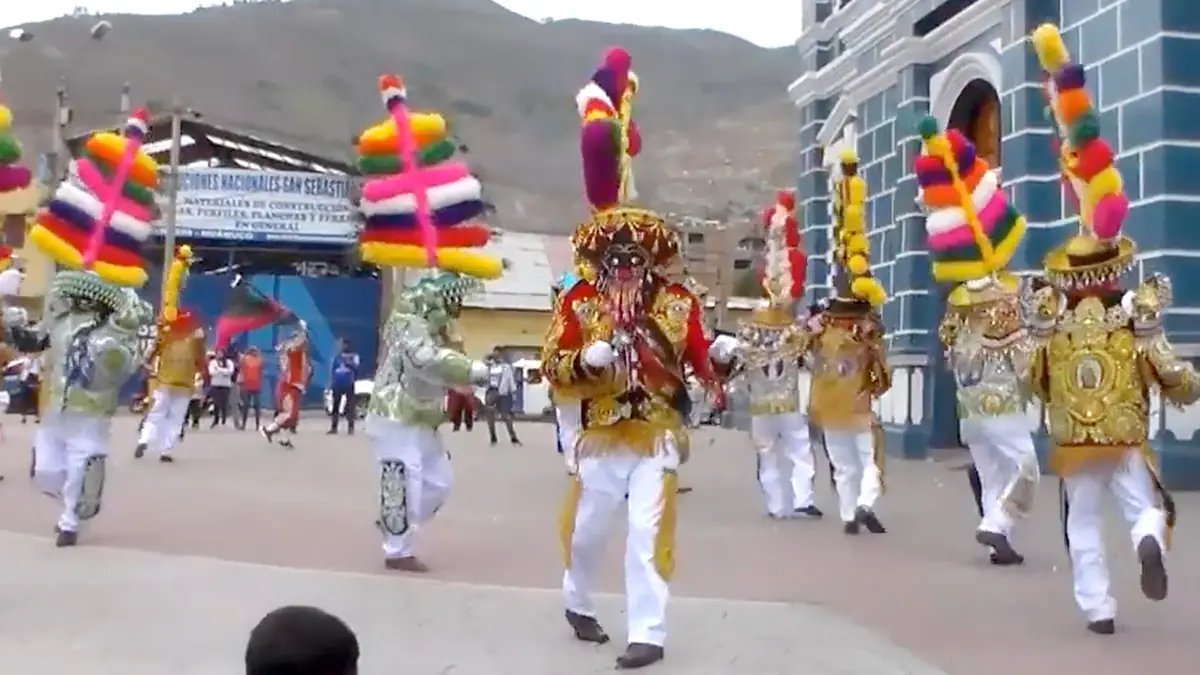
Following the 1854 decree by Ramón Castilla that officially abolished slavery in Peru, these celebrations transformed. What began as small groups visiting nativity scenes evolved into massive, organized "brotherhoods" (cofradías) that took over the streets with music, dance, and a healthy amount of fermented spirits.
The Crew: A Breakdown of the Characters
When these brotherhoods hit the pavement, they perform a scripted social hierarchy—a theatrical middle finger to the old colonial order.
| Character | Role in the Rebellion |
|---|---|
| The Caporales | The foremen. Two leaders who head parallel lines, keeping the rhythm and the discipline. |
| The Standard-Bearer | A white man waving the flag of freedom. He represents the shift from bondage to liberty. |
| The Corrochano | The "Old Gentleman." A satirical take on Spanish aristocrats—usually loud and erratic. |
| The Turk & The Lady | Characters representing the exotic and the elite, adding a layer of colonial social commentary. |
Shacta, Locro, and Street Rivalries
This isn't a polite recital. Rival brotherhoods compete for dominance in the streets. The "Steward" (Mayordomo) of each group is the backbone, competing to provide the best fuel for the dancers:
- Shacta: Potent fermented cane liquor that fuels dancers through the Andean chill.
- Huarapo: Another fermented favorite that keeps the energy high.
- Locro: A thick, hearty stew that's the traditional reward for a long day of dancing.
While you can see "Negritos" elsewhere, Andabamba Hacienda is the spiritual epicenter. This is where the dust of the fields meets the spirit of the ancestors. It's raw, loud, and entirely authentic.
Key Takeaways for the Solo Traveler
- When to go: Peak festivities run from December 24 to January 6.
- The Pro Tip: Look for the brotherhoods near the central plazas and churches; that's where the "battles" for best performance usually go down.
- Safety: Huánuco is authentic. Keep your wits about you, stay hydrated, and respect the local Mayordomos.