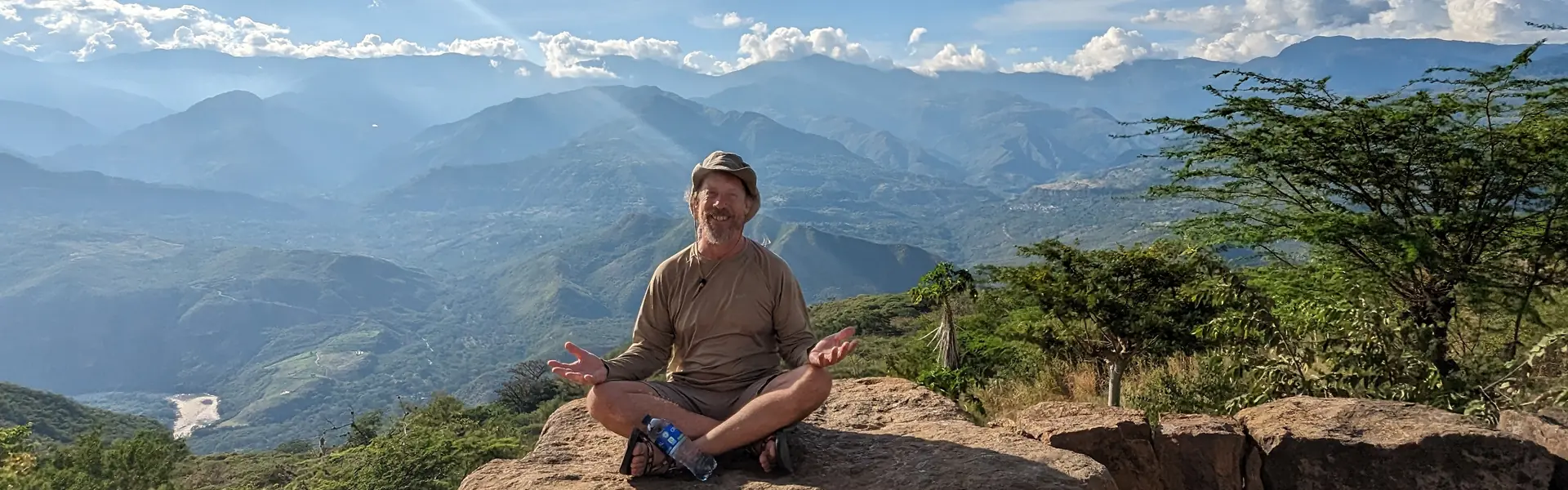
Elevation Arbitrage: Hacking the Andes Climate
Forget those sanitized "digital nomad" weather apps. When you're bombing through Latin America on a river-guide budget, latitude is a joke. Altitude is your real master. Welcome to elevation arbitrage: the tactical art of using the Andes to dictate your climate, outrun the soul-crushing humidity, and keep your cost of living dirt cheap.
The Myth of the Equator
Rookies assume living near the equator guarantees a life sentence of sweltering tropical heat. That's only true if you're stubborn enough to stay at sea level.
- Low Elevation (The Humidity Tax): Coastal infernos like Guayaquil, Ecuador, or Cartagena, Colombia, sit at sea level. They are relentlessly hot, sticky, and force you to bleed cash for air conditioning just to catch a few hours of sleep.
- High Elevation (The Eternal Spring): Twist the throttle and head up into the mountains to cities like Quito, Otavalo, or Bogotá. At altitude, you secure a stable, year-round "eternal spring" that rarely demands AC or a heavy heating bill.
Frugal Logistics: The Hidden Costs of Bad Weather
The ideal climate is subjective, but on a dirtbag budget, high humidity is a financial drain. Let's break down the field logistics:
- The AC Premium: In the coastal heat, you pay a premium for an AC-equipped room, plus a surcharge for the juice to run it. Up in the Sierra, cracking a window or running a cheap fan gets the job done.
- Gear Maintenance: High humidity breeds mold and turns washing clothes in a hostel sink into a multi-day nightmare. In the crisp, dry air of the Andes, you can scrub the river grime off your gear and have it line-dry in a matter of hours.
- Daily Mobility: Oppressive heat traps you indoors during peak daylight. A moderate mountain climate lets you hit the chaotic local mercados and ride the 35-cent transit loops at high noon without sweating through your shirt.
Popular Eternal Spring Locations Among Expats
Lake Atitlán in Guatemala, Baños de Agua Santa in Ecuador, and Arequipa in Peru are prime targets for expats chasing that legendary Latin American weather. Park yourself at roughly 6,000 feet of elevation in the tropics, and you unlock perpetual spring conditions with a fraction of the biting insects.
Lake Atitlán, Guatemala
Guatemala is a quick hop from the States, and expats flock to the highland villages surrounding Lake Atitlán. Personally, I find the lake basin a bit warmer and more humid than my ideal baseline. However, the various Mayan towns ringing the water each boast a distinct, rugged vibe—all easily accessible by roaring lancha water taxis.
Rent is exceptionally reasonable, averaging around $200 a month for a furnished pad; I've even scored rents as low as $170. One of the local supermercados stocks a surprisingly solid craft beer selection, which is a lifesaver since proper IPAs are notoriously scarce at the local bars.
Baños de Agua Santa, Ecuador
Tucked into the Andean highlands, Baños is noticeably cooler than Atitlán and offers the massive perk of geothermal hot springs right within walking distance. The nightlife here hits harder than the lake towns, but the local highland coffee holds its own in a head-to-head matchup.
Expect rent to be slightly steeper in Baños, roughly $250 for a furnished apartment. However, the local mercados overflow with an incredible variety of fresh produce. You'll find a far greater bounty here than in most peer cities, and my wallet consistently confirms the prices are lower, too.
Arequipa, Peru: The "White City"
A historical favorite of the Spanish conquistadors, Arequipa remains a magnet for rugged travelers and expats alike. The city earns its moniker from the brilliant white sillar volcanic stone used to build it, but the climate is the real draw. It's bone-dry and eternally springlike, though you'll have to make your peace with the fine desert dust blowing in from the surrounding volcanic plains.
Arequipa boasts a fierce craft beer culture, and the culinary scene hits the legendary high notes you expect from Peru. Better yet, the breweries are tightly clustered, making a self-guided pub crawl a breeze. While the cost of living is moderate, the expanding expat footprint is noticeable. If you want my advice, I prefer the weather and slower rhythm of Urubamba—just don't head there expecting a ready-made expat bubble.
Test Before You Commit
Never sign a long-term lease based on a Wikipedia climate chart. Analyzing weather data is amateur hour; surviving a local microclimate is the real test. Always spend at least one full month in a potential base camp during its most miserable season—like the peak of the rainy months—before you commit to dropping your bags permanently. (If you are just arriving to scout the area, rely on budget-friendly short-term accommodations first).
Ready to ditch the humidity? Pack your bags, check your altitude, and subscribe to Fast Fred for more boots-on-the-ground travel intel.