How to Avoid Foreign Bank Fees: Travel Logistics
Travel isn't just about the miles; it's about protecting your capital. Avoiding foreign bank fees involves tackling three separate charges: Foreign Transaction Fees, ATM Withdrawal Fees, and the predatory hidden fee known as Dynamic Currency Conversion (DCC).
The best strategy for the frugal adventurer is to prepare with the right financial tools before you leave the pavement behind. See a related article about obtaining your first pesos in Mexico at the MEX Airport and how to avoid the "gringo tax."
Field Intel: Watch the breakdown on how to keep your cash liquid and avoid the "gringo tax" at foreign ATMs.
1. Eliminate Foreign Transaction Fees (FTFs)
The Foreign Transaction Fee (FTF) is typically 1% to 3% of every purchase charged by your bank. Over a 90-day trip, that "minor" fee becomes a massive leak in your budget.
2. Conquer ATM Withdrawal Fees
When you use an ATM abroad, you often face a triple-threat of fees: Out-of-Network Fees, Operator Fees (the on-screen "usage fee"), and the hidden percentage fee. To survive this, you need a bank that plays offense for you.
3. Always Refuse Dynamic Currency Conversion (DCC)
This is the most common trap for the uninitiated. When you pay by card, the terminal will ask if you want to pay in Local Currency or Home Currency.
- The Trap: Choosing your Home Currency (e.g., USD) triggers DCC.
- The Problem: The merchant applies a garbage exchange rate (often a hidden 5–10% markup).
- The Rule: Always choose Local Currency. Force the transaction to use the fairer rate provided by Visa/Mastercard.
The Fast Fred Commandment:
When prompted, always select: "Pay in [Local Currency]" or "Continue without conversion."
How to Avoid High Fees: The Best Ways to Get Cash in Latin America
This is one of the most practical and important questions a traveler can ask! Handling money efficiently is key to saving money and avoiding unnecessary stress.
The general rule for most countries is: Avoid airport kiosks, steer clear of currency exchange desks, and use local ATMs strategically or Western Union.
The Best Strategy: Use Local ATMs (Debit Cards)
The absolute best way to exchange currency is almost always through a local ATM using your debit card. Never accept the conversion rate offered by the ATM; let your bank or credit union set the exchange rate by default.
How It Works:
-
Direct Rate: You receive a rate very close to the official interbank exchange rate (the wholesale rate banks use). This is significantly better than any tourist-facing exchange desk or conversion rate offered by the ATM (always decline the exchange rate as it also includes a fee with the bad rate. The ATM will still despense your cash using your banks rate.
-
Low Fees (If Prepared): The key is to use a bank card that does not charge foreign transaction fees (typically 3%) and reimburses ATM fees.
-
U.S. Example: Banks and credit unions like Charles Schwab, Fidelity, and some local credit unions offer accounts specifically designed for travelers with zero foreign transaction fees and global ATM fee reimbursement.
-
Latin American ATM Considerations
-
Mexico & Brazil: ATMs are generally abundant, reliable, and secure (especially those inside major bank branches or shopping centers). Look for major international bank ATMs (Santander, Scotiabank, HSBC) as they tend to have higher withdrawal limits and may charge lower local fees.
-
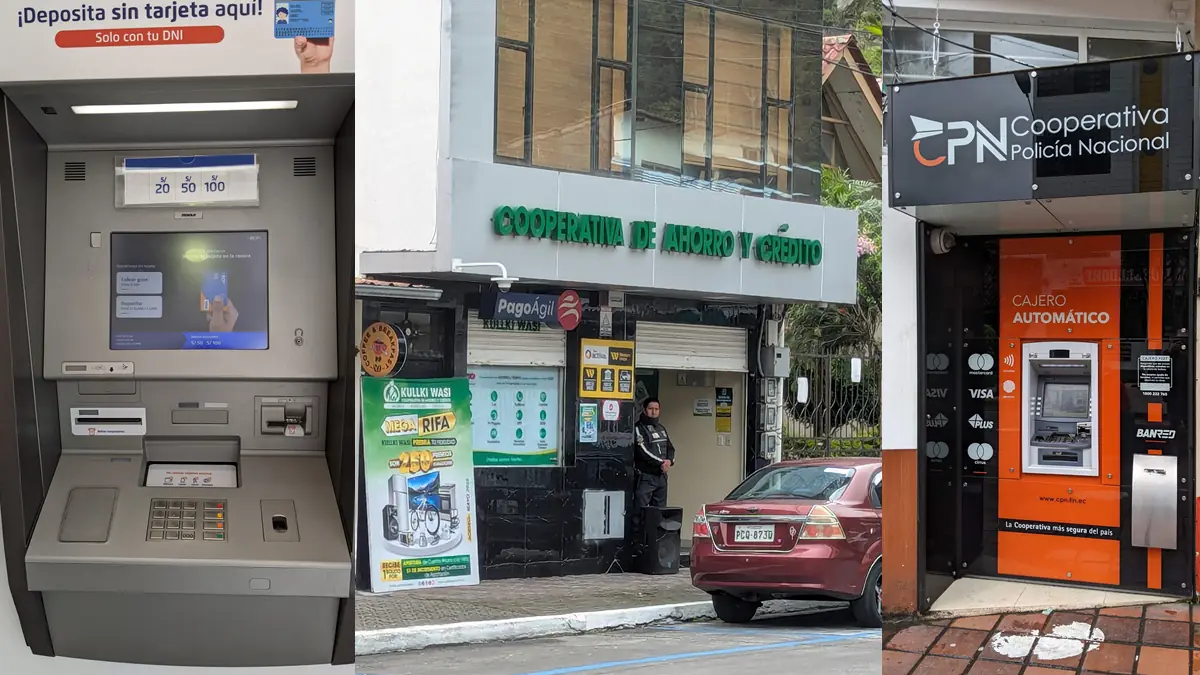
Andean Region (Peru, Ecuador, Colombia): Withdrawal limits can be surprisingly low (sometimes as little as $100–$200 USD per transaction). You may have to make multiple withdrawals and pay the local ATM fee each time.
-
Pro-Tip for Peru: Withdraw in Soles (PEN), not U.S. Dollars (USD), even if the ATM offers the option. Unless of course if you need dollars to pay your visa to Bolivia ($160 USD)
-
-
Argentina: This country historically has been the most challenging due to high inflation. ATMs may run out of cash, charge very high fees, and have very low withdrawal limits. For a long time, the best rate was often found on the "blue dollar" market (unofficial currency exchange), but this has recently shifted due to economic policy changes. Always research the current situation before visiting Argentina.
Secondary Strategy: Use Credit Cards
For major purchases (budget-friendly accommodations, high-end restaurants, flight tickets), a no-foreign-transaction-fee credit card is excellent.
-
Benefit: You get the same great interbank exchange rate as an ATM withdrawal, but you avoid ATM fees.
-
The Golden Rule: When paying with a card, the vendor may ask if you want to pay in the local currency (e.g., Mexican Pesos) or your home currency (e.g., U.S. Dollars). ALWAYS choose the local currency. Choosing your home currency subjects you to Dynamic Currency Conversion (DCC), which is essentially an unfavorable exchange rate set by the vendor's payment processor, resulting in a significantly worse deal.
Backup Strategy: Exchanging Cash
While generally less favorable than ATMs, having some cash (especially U.S. Dollars) for exchange is a crucial backup. Exceptions: some countries like Bolivia and Argentina give better rates without fees compared to ATMs.
-
What to Exchange: Bring crisp, new, large-denomination (50s and 100s) U.S. Dollar bills. Old, torn, or small bills (1s, 5s) often receive a worse rate or may be rejected, especially in countries like Peru.
-
Where to Exchange:
-
Best: Reputable, licensed currency exchange houses (Casas de Cambio) found in city centers. They offer better rates than banks. I did this in Bolivia and beat the Western Union exchange rate of $100 USD: 700 BOB with $100 USD: 1,100 BOB. This is also a great option in Argentina.
-
Avoid: Airports, hotels, and random street vendors. However I have exchanged currency with street vendors and also with Taxi drivers at the Colombia border with decent results.
-
Cash Strategy Variations
-
Ecuador: Uses the U.S. Dollar (USD) as its official currency, eliminating the need for currency exchange altogether (though you will be dealing with local coins). The coins are the same size as pennyies, nickels, dimes, quarters, and half dollars.
-
Cuba & Venezuela: Due to unique economic and political situations, cash exchange (usually EUR or USD) is often the dominant method, and official bank rates may differ drastically from effective street rates for travelers. Research the current black-market/street rate before you go, as relying solely on the official rate can be extremely costly.