Common hand signals are highly likely to cause misunderstandings globally.
Thumbs Up (Universal "Good")
Offensive in: Iran, Afghanistan, parts of the Middle East, West Africa, and sometimes Greece (where it means, essentially, "Up yours!").
Offensive in: Brazil, Turkey, Venezuela, Germany, and parts of the Middle East, where it is a vulgar insult.
Pointing (Index Finger)
Custom: Considered extremely rude and aggressive in China, Japan, Malaysia, and many Asian countries.
Alternative: Use a full, open hand or gesture with your chin to indicate direction.
Beckoning ("Come Here")
Custom: Using a hand with the palm up and finger curling is offensive in the Philippines, where it is reserved only for calling dogs and can lead to arrest.
The rule for eye contact is often reversed across cultures.
In Western Cultures (e.g., U.S., Canada, Europe): Direct, steady eye contact is encouraged as a sign of honesty, confidence, and attention.
In East Asian, African, and Latin American Cultures: Avoiding direct or prolonged eye contact is a sign of respect and deference, especially when speaking to an elder, a superior, or a person of authority. Direct eye contact can be seen as intrusive or confrontational.
Always be sensitive to where, and by whom, touching is considered appropriate.
The Head (Sacred): In many Buddhist countries (e.g., Thailand, Laos), the head is considered the most sacred part of the body. Do not touch anyone's head, even a child's.
The Left Hand (Unclean): In India, the Middle East, and parts of Africa, the left hand is often associated with bodily functions. Always use only your right hand for eating, shaking hands, giving gifts, or exchanging money.
Gender and Public Touch: In many Islamic and some Hindu cultures, public physical contact (even handshakes) between genders outside of immediate family is strictly avoided. Wait for the other person to initiate any contact.
This dictates the comfortable distance between speakers.
Close Contact Zones: In Latin America, the Middle East, and Southern Europe, people stand much closer when talking. Backing away may signal coldness or distance.
Distant Contact Zones: In Northern Europe and East Asia, a larger personal space is preferred. Standing too close may be seen as intrusive or aggressive.
The position of your body and feet can signal great disrespect.
Pointing Feet: In many Asian and Middle Eastern cultures, the feet are considered unclean. It is highly offensive to point the sole of your foot or shoe at another person (e.g., when sitting cross-legged).
Standing Posture: Standing with your hands on your hips can be seen as aggressive, challenging, or overly arrogant in many parts of the world.
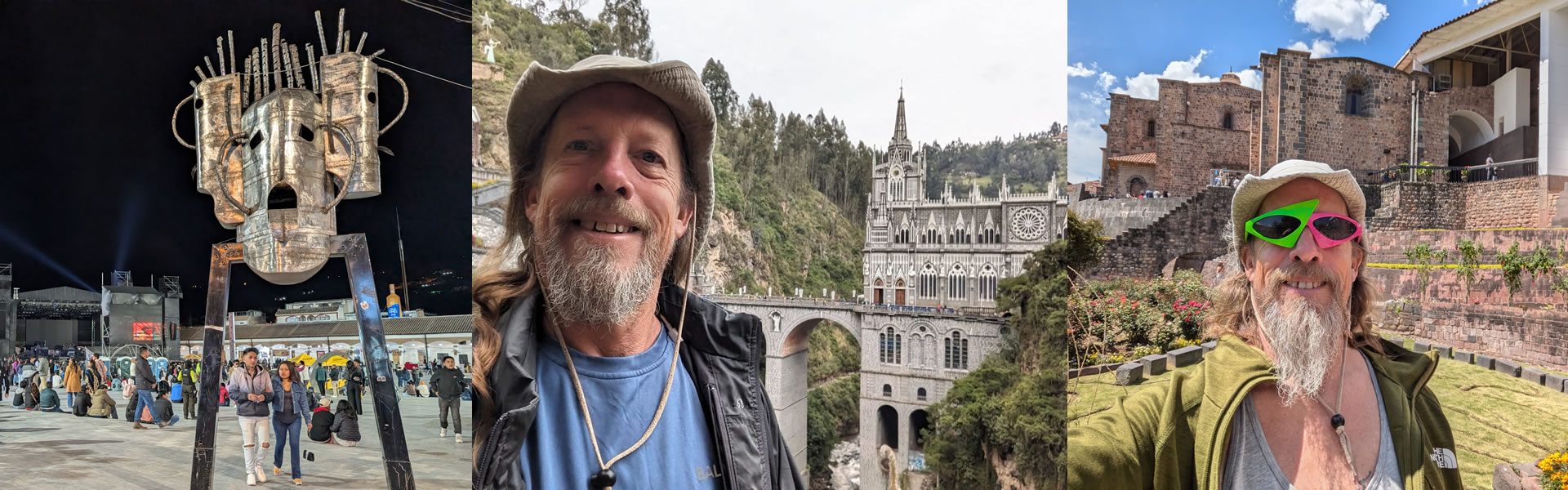
I'm Fast Fred Ruddock, a lifelong adventurer and dedicated frugal traveler. My core passion is exploring Latin America, where I spend my off-seasons on extended solo trips.
I have traveled extensively through much of:
Living on a tight, guide-level budget proves you don't need to be wealthy to live a rich life full of adventure. Join me for frugal travel tips and authentic insights from the road!
I'm a professional whitewater guide and kayak instructor. I grew up rafting, sailing, and surfing, and I spend my North American summers guiding on world-class whitewater. I have spent much of my adult life riding motorcycles and paddling kayaks.
Raft with me: Check out Fast Fred Rafts for details.
Got questions about solo travel, Latin America, or budgeting? I'd be happy to give you honest answers!
My Travel & Video Gear: Curious how I travel so light? Dig into my Amazon Shop for an inside look at the gear I carry. (Purchases via this shop provide a small commission at no extra cost to you.)
Tip Jar: Your support helps fund the next adventure of cup of coffee!