To make biker rights a reality, you must convince legislators that your position makes sense. Visiting a legislator is an essential tactic for furthering your campaign. Lobby visits can be made on the local, state, or national level, depending on the particular issue you are supporting. A lobby visit can be an incredibly rewarding experience, and all bikers should meet with their elected officials to discuss motorcyclists rights issues.
Know the issue. You can get information about legislation from ABATE of SC's Legislative Coordinator or from ABATE of SC's Legislative Action Center.
Gather your facts and organize them into a one sided (two, only if absolutely necessary) page fact sheet. This will be the form that you will hand in to your representatives. Remember to be as concise as possible.
It is always a good idea to make an appointment to be sure that the appropriate people will be in the office. Remember, staffers and members have busy schedules. If you just show up, you will most likely only get to drop off your materials with a front-desk administrator who probably will not be able to discuss your issue. You can easily find your representatives contact info using your zip code at ABATE of SC's Legislative Action Center.
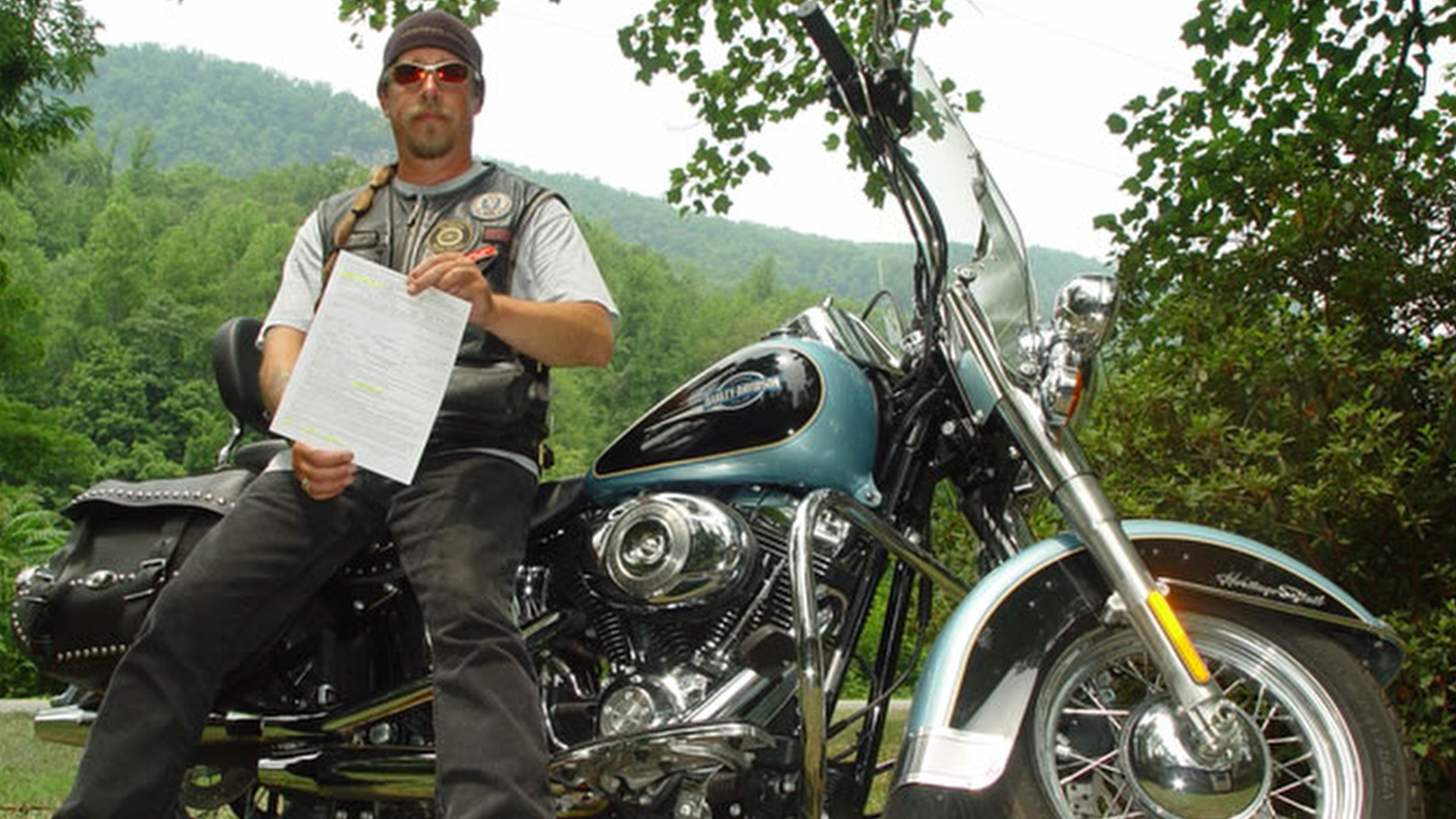
Dress appropriately for your visit or in other words wear your leather. When you wear leather not only do the legislators you visit know you were there and why but so do all the other legislators who see you walking the halls. Bring extra copies of your fact sheets. Check the status of the bill that you are lobbying, and find out who has co-sponsored it. If possible, try and form a delegation by bringing friends who are also from your district. If they are not from your district, you have no obligation to divulge this fact if you are not asked, but also do NOT lie if asked.
If you are lobbying for a particular piece of legislation, it is a good idea to call or visit the bill's sponsor before lobbying. They usually will be very eager to assist you in reaching the right members and will offer input on ways to present the issue.
It is important to be as relaxed as possible during your visit. Expect to be a little nervous. If you have a delegation with you, choose a primary speaker based on familiarity with the issue and speaking skills. Introduce yourself to your representatives or their legislative aides (LAs). Let them know what bill or issue you are interested in, how you feel about the bill, and how it will affect you. Try to make this part as clear and concise as possible.
Answer questions and offer your side of a stance. If you do not know an answer, tell your representative that you will get back to them. NEVER make up an answer. If you give out incorrect information, you will eliminate the credibility of yourself . Offering to get back to them also offers you a chance to re-familiarize them with your topic.
After discussing the issue, if your representative or LA does not give you an answer that you want to hear politely thank them for their time, let them know that you still hold your position, urge them to reconsider, and politely leave. Do not get argumentative. Remember LAs and representatives are people, too, and may hold their stance more rigidly if you are unreasonable with them. No one likes working with someone who refuses to negotiate.
If your representative opposes the bill that you want, see if you can come up with some common ground. Always offer to follow up on any new developments, and ALWAYS make sure that your fact sheet has all of your contact information.
After your visit, it is important that you follow up on any questions that you were unable to answer. Always send a note thanking your representative or LA for their time. If necessary, set up another appointment if you need to follow up on a new slant or topic. If your representative does what you told them to do, then be sure to thank them and let them know that you appreciate their efforts.
Your visit will not only help to persuade your representative, but it will also be an educational experience for you. During your visit, you will get an inside look at the political climate, and get insight on how to better promote your issue. Never be afraid to ask an LA a question about the actual mechanics behind government.
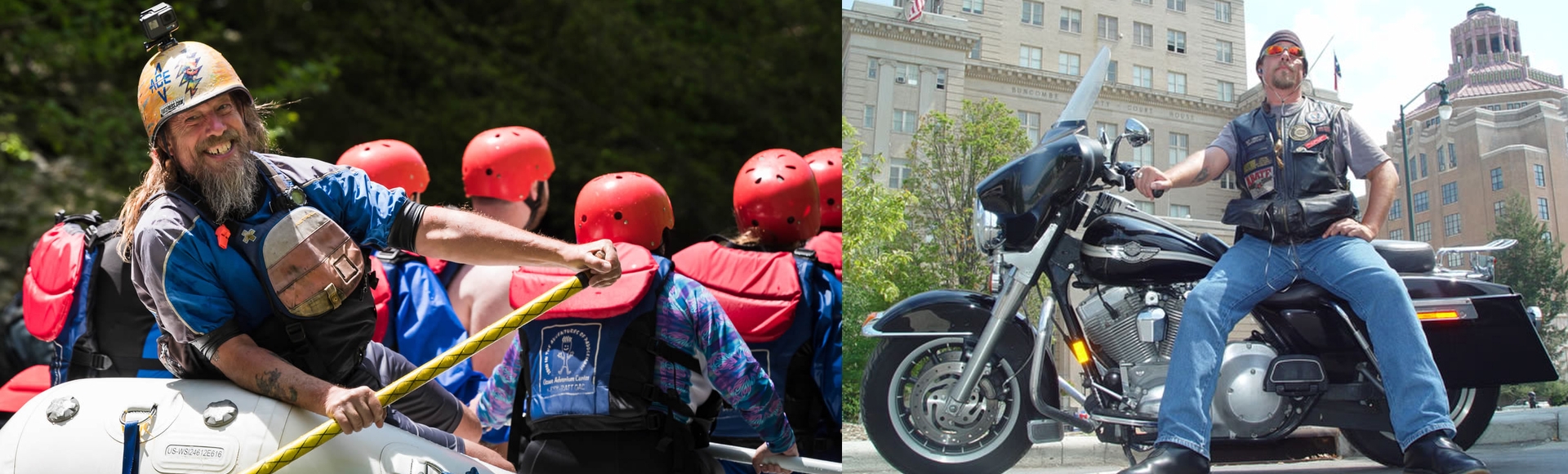
My life has been a dedicated blend of open road adventure and relentless advocacy for motorcyclists’ rights. I'm "Fast Fred" Ruddock, and my journey on two wheels began as a teenager. Over the years, I’ve owned 13 Harleys and several other motorcycles, machines that were far more than just transportation. They represented a freedom that I have fought to protect. Recognizing the power of information, I earned a Bachelor of Science in Computer Science, skills I immediately put to use for the movement.
My commitment to advocacy led me to a complete immersion in ABATE of South Carolina (ABATE of SC). I quickly moved through the ranks, starting by developing the ABATE of SC website in 2001 and serving as the Berkeley/Dorchester Chapter Coordinator. This progressed to serving as Lowcountry Area Coordinator, where I successfully shifted our local focus decisively toward rights and rapidly increased membership. From 2003 to 2007, I served as the State Coordinator, where I helped coordinate several key legislative victories, including the passage of the Purple Heart license tag bill and the successful repeal of unnecessary handlebar height restrictions. My primary strategic goal was always to achieve widespread political influence by organizing a chapter in every single county.
On the national front, I extended my influence by serving as the State Representative on the board of the Motorcycle Riders Foundation (MRF) for several years during the 2000s. This role ensured that the concerns of South Carolina riders were directly represented in critical federal legislative discussions. Crucially, I also worked to shape public opinion: I wrote articles related to motorcycle rights for various magazines and had a small column in Easyriders magazine for several years, using media to educate riders nationwide on the issues impacting their freedom.
My activism was not only about lobbying but also direct action and constitutional challenges. I participated in the Myrtle Beach civil disobedience against local helmet laws, contributing to the legal groundwork for the eventual overturning of that restrictive law through a landmark SC Supreme Court case. I also challenged helmet laws personally, fighting three tickets in court as an act of civil disobedience in several states. I lobbied in multiple state capitols with me friends across the country. My dedication continued after my ABATE leadership, as I served as the Director of Bikers Of Less Tolerance (BOLT) of South Carolina.
Today, while I also enjoy working as a river guide and sharing my travel adventures, my legacy remains rooted in the fight for motorcycle freedom. I have spent decades on the front lines, utilizing both political strategy, legal challenges, and national media to protect the rights of every person on two wheels.
I'm a professional whitewater guide and kayak instructor. I grew up rafting, sailing, and surfing, and I spend my North American summers guiding on world-class whitewater. I have spent much of my adult life riding motorcycles and paddling kayaks.
Raft with me: Check out Fast Fred Rafts for details.
Got questions about solo travel, Latin America, or budgeting? I'd be happy to give you honest answers!
My Travel & Video Gear: Curious how I travel so light? Dig into my Amazon Shop for an inside look at the gear I carry. (Purchases via this shop provide a small commission at no extra cost to you.)
Tip Jar: Your support helps fund the next adventure of cup of coffee!