~by FastFred
The toolbox of a grassroots activist includes many useful tools such as acts of civil-disobedience, personal visits, letters, phone calls, emails, pre-written postcards or form letters, and petitions. Each has a different purpose and level of effectiveness. These items are listed in their approximate order of importance and impact.
Acts of civil-disobedience can and have been very effective in impacting the legislative process. ABATE of South Carolina and the MRA both used this tactic to change South Carolina's helmet law. Helmet protest runs and rallies were held and members were arrested and jailed for not wearing helmets while riding their motorcycles. Boycotts can be useful forms of civil-disobedience to impact organizationa and even local governments. The key is know when to resort to civil-disobedience.
Personal visits continue to be important in our continuing effort to preserve individual liberties such as our current helmet law. An organized lobby day is an example of personal visits; members of ABATE visit the General Assembly while in session dressed as bikers. Come as you are it makes a much better impact; even the legislators you don't visit will know you are there about biker issues. Remember long haired tattooed bikers got the South Carolina helemt law changed in 1980; let's stick with what works.
Letters when handwritten are best however politicians now realize many home know have computers with word processors so typed and signed letter are OK. Always state your complete name, voter registration number, and mailing address to make the greatest impact. Former Senator Hollings and others have simply ignored and thrown away letters when this information is not provided.
Phone calls are very effective when time is of the essence. Great tactic when a bill is due for a immediate vote. Remember to ask the staff member for his or her complete name; expressing thanks can help too. Legislators often do not have time to read bills and rely upon their staff for input. When making follow up calls or future calls ask for the staff member by name. Staff members are important points of contact.
Emails are also effective when time is of the essence. Much like a written letter it should include your complete name, voter registration number, and mailing address or it will likely be ignored and deleted. Representative Henry Brown responds to emails. Many politicians have changed their views towards emails following the anthrax scare.
Pre-written postcards or form letters are not very effective. Thousands of them will make an impact but hundreds of unique letters are better. ABATE could copy what has worked for SC Grassroots (concealed weapons rights group) by purchasing a list of motorcycle ownersin SC. Then ABATE could mail everyone on the list with an invitation to join ABATE and notice of important motorcycle issues.
Petitions are the least effective tool. Petitions should only be used to augment a greater effort.
Awareness of issues and legislative bills is very important. You cannot oppose a bill if you are unaware of its exisitence. Search for current bills before the General Assembly and join our email list to stay aware of threats to motorcyclists. Read the Bill of Rights, US Constitution and your state's constitution. I also strongly recommend reading Ayn Rand's book Atlas Shrugged! Join ABATE of South Carolina if you are not yet a member and attend your local chapter's meetings. Stay aware and know the position on motorcycle issues of those running for office.
Vote! Register to vote. Vote for those who support motorcycle rights and against those who do not support biker rights. If you cannot register to vote participate anyway. Legislators and others do not have time to check if you are a registered voter or not during personal visits like Lobby Days; your presence will make a difference. Likewise they will not have time to check when you call on the phone. Your views and opinions matter even if you have lost your right to vote. Felons regain the right to vote in South Carolina after completing their sentence, probation, and parole.
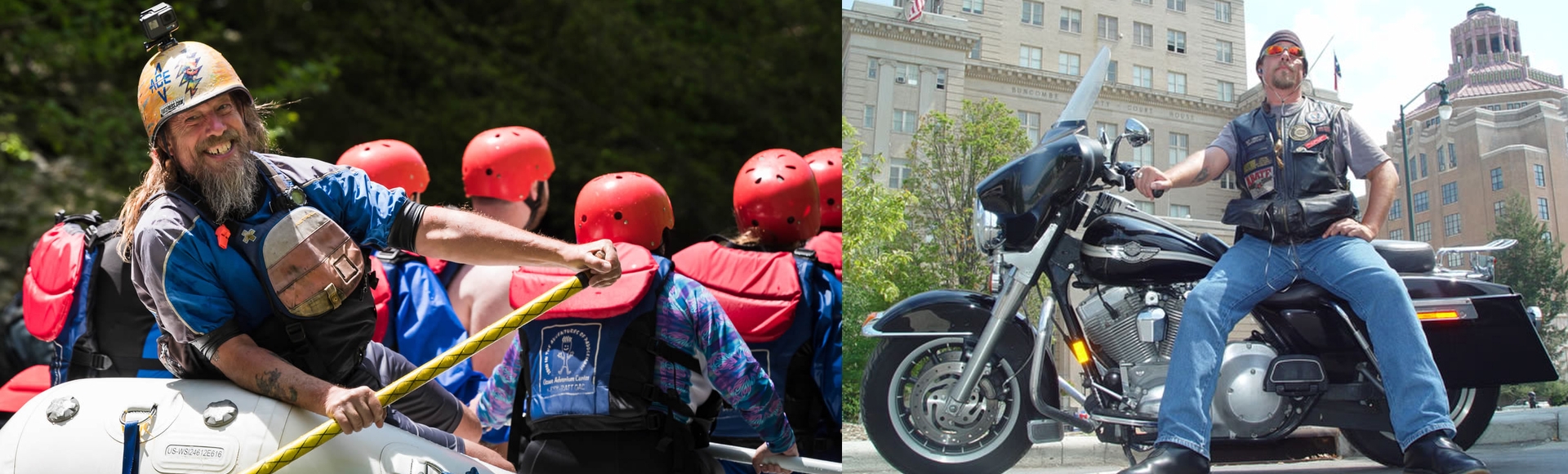
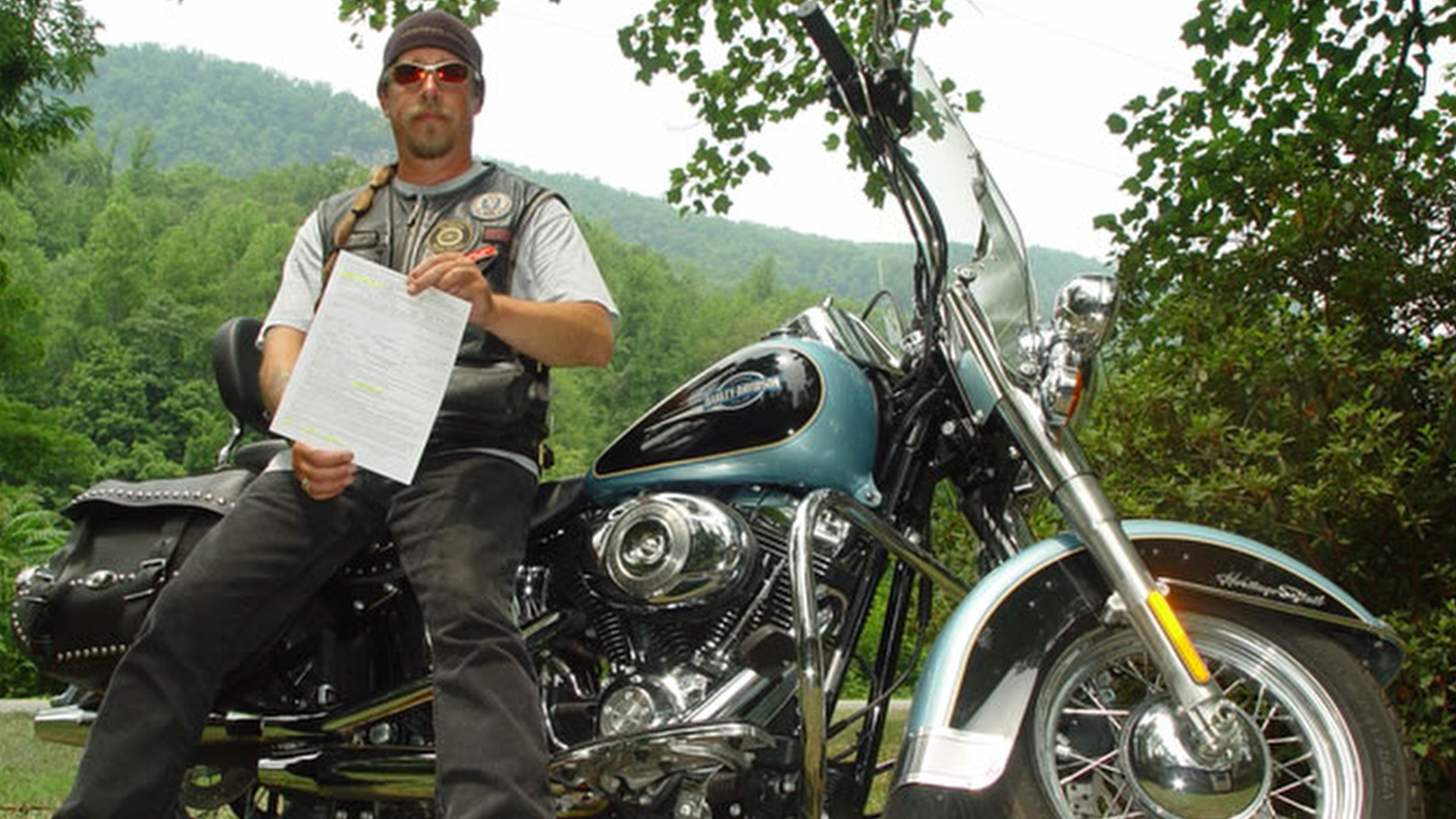
My life has been a dedicated blend of open road adventure and relentless advocacy for motorcyclists’ rights. I'm "Fast Fred" Ruddock, and my journey on two wheels began as a teenager. Over the years, I’ve owned 13 Harleys and several other motorcycles, machines that were far more than just transportation. They represented a freedom that I have fought to protect. Recognizing the power of information, I earned a Bachelor of Science in Computer Science, skills I immediately put to use for the movement.
My commitment to advocacy led me to a complete immersion in ABATE of South Carolina (ABATE of SC). I quickly moved through the ranks, starting by developing the ABATE of SC website in 2001 and serving as the Berkeley/Dorchester Chapter Coordinator. This progressed to serving as Lowcountry Area Coordinator, where I successfully shifted our local focus decisively toward rights and rapidly increased membership. From 2003 to 2007, I served as the State Coordinator, where I helped coordinate several key legislative victories, including the passage of the Purple Heart license tag bill and the successful repeal of unnecessary handlebar height restrictions. My primary strategic goal was always to achieve widespread political influence by organizing a chapter in every single county.
On the national front, I extended my influence by serving as the State Representative on the board of the Motorcycle Riders Foundation (MRF) for several years during the 2000s. This role ensured that the concerns of South Carolina riders were directly represented in critical federal legislative discussions. Crucially, I also worked to shape public opinion: I wrote articles related to motorcycle rights for various magazines and had a small column in Easyriders magazine for several years, using media to educate riders nationwide on the issues impacting their freedom.
My activism was not only about lobbying but also direct action and constitutional challenges. I participated in the Myrtle Beach civil disobedience against local helmet laws, contributing to the legal groundwork for the eventual overturning of that restrictive law through a landmark SC Supreme Court case. I also challenged helmet laws personally, fighting three tickets in court as an act of civil disobedience in several states. I lobbied in multiple state capitols with me friends across the country. My dedication continued after my ABATE leadership, as I served as the Director of Bikers Of Less Tolerance (BOLT) of South Carolina.
Today, while I also enjoy working as a river guide and sharing my travel adventures, my legacy remains rooted in the fight for motorcycle freedom. I have spent decades on the front lines, utilizing both political strategy, legal challenges, and national media to protect the rights of every person on two wheels.
I'm a professional whitewater guide and kayak instructor. I grew up rafting, sailing, and surfing, and I spend my North American summers guiding on world-class whitewater. I have spent much of my adult life riding motorcycles and paddling kayaks.
Raft with me: Check out Fast Fred Rafts for details.
Got questions about solo travel, Latin America, or budgeting? I'd be happy to give you honest answers!
My Travel & Video Gear: Curious how I travel so light? Dig into my Amazon Shop for an inside look at the gear I carry. (Purchases via this shop provide a small commission at no extra cost to you.)
Tip Jar: Your support helps fund the next adventure of cup of coffee!